

The UPC will be present at the 2024 edition of MWC Barcelona
January 5, 2024
The UPC beats at the MWC
March 1, 2024The UPC will be present at the 2024 edition of MWC Barcelona
January 5, 2024The UPC beats at the MWC
March 1, 202430/01/2024
The BIOART research group of CREB-UPC, linked to ETSEIB, is organising a workshop in Barcelona to develop knowledge of brain connectivity and inverse modelling.
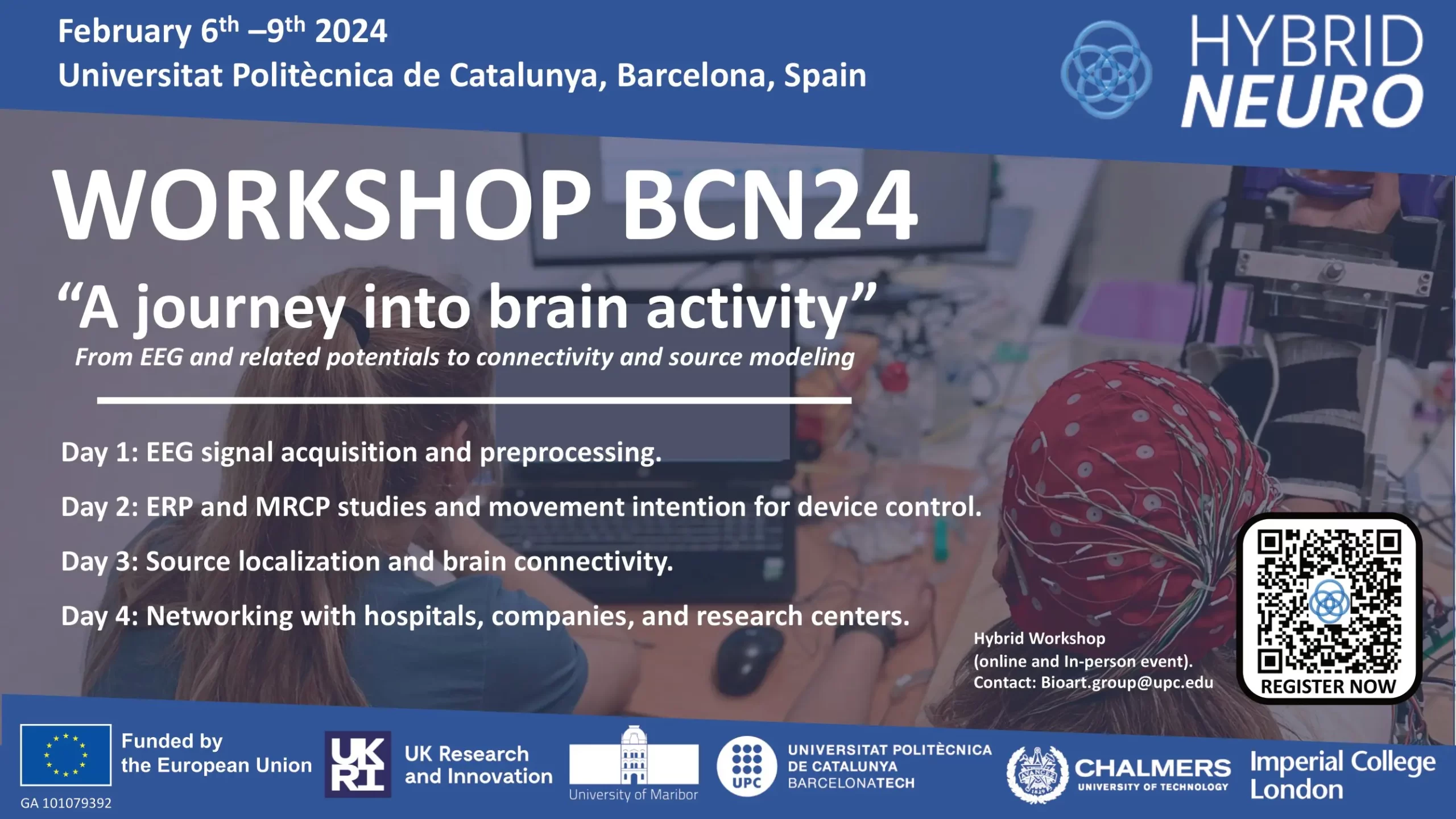
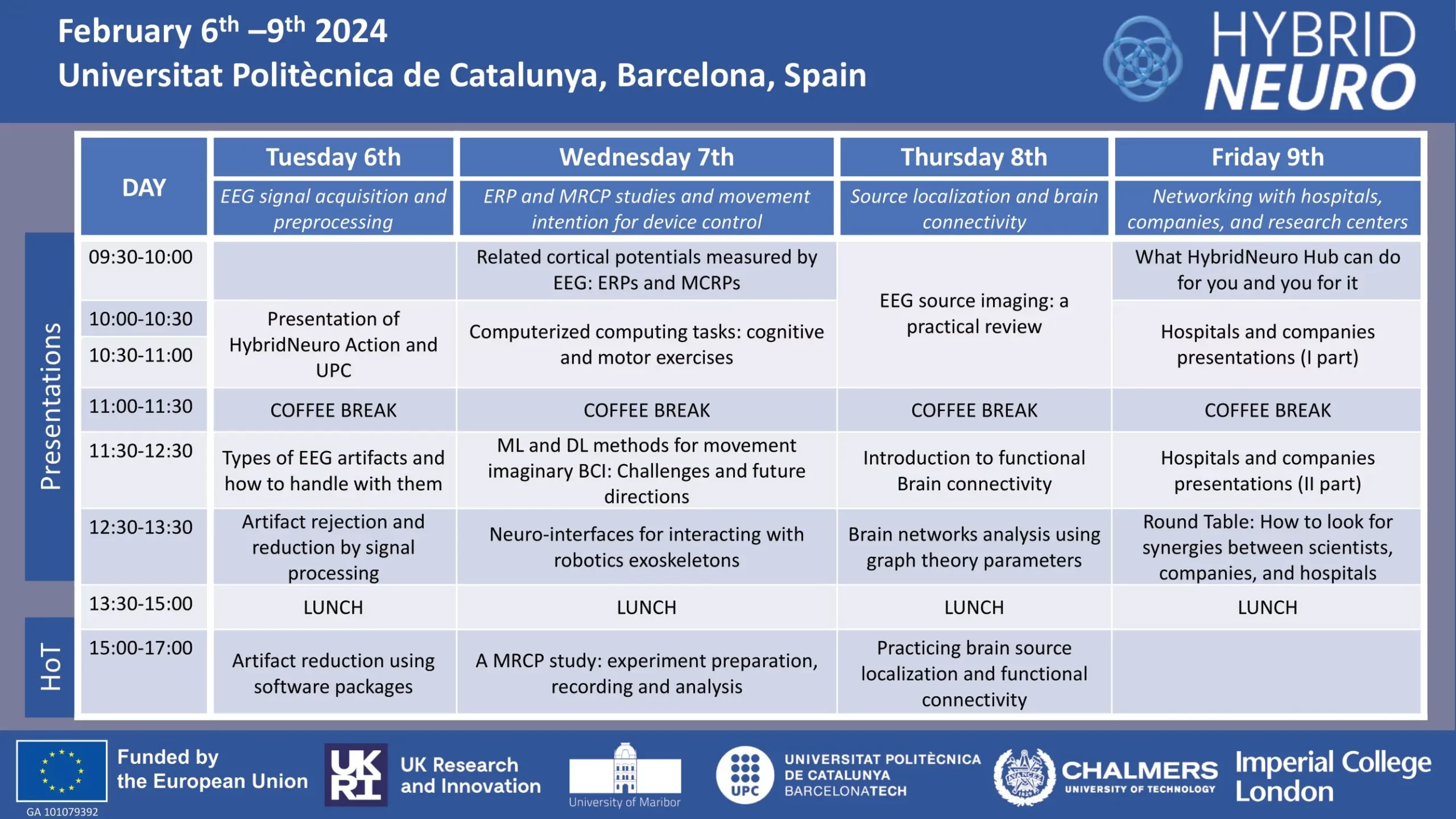
In the framework of the European HybridNeuro project (a Horizon Europe programme), from 6 to 9 February 2024 the BIOART research group of CREB-UPC is organising the workshop “A journey into brain activity”, which will be held in the Aula Capella of the Barcelona School of Industrial Engineering (ETSEIB). The topics covered in this event include EEG signal acquisition and preprocessing, Event and movement-related cortical potential analysis, Source localization and Brain connectivity. In addition to lectures and hands-on sessions, participants will have the opportunity to network with professionals from hospitals, companies and research centres, fostering collaboration and sharing cutting-edge neurotechnology advances and research in the field of brain-computer interfaces.
Aimed at experienced professionals and newcomers to the field, this workshop is a valuable opportunity to exchange knowledge, connect with industry professionals and experts, and explore the frontiers between brain research and technology.
Led by the University of Maribor (Slovenia), participants in the HybridNeuro project include researchers from the BIOsignal Analysis for Rehabilitation and Therapy (BIOART) group at the Biomedical Engineering Research Centre (CREB) of the Universitat Politècnica de Catalunya - BarcelonaTech (UPC), the Imperial College London (UK) and the Chalmers University of Technology (Sweden), as well as the UPC Technology Center (CIT UPC).
Workshop “A journey into brain activity” in Barcelona
Date: 6 to 9 February 2024
📍 Location: Aula Capella, Barcelona School of Industrial Engineering (ETSEIB), Universitat Politècnica de Catalunya - BarcelonaTech (UPC), and remote.
See the full programme of the event and registration form at this link.
Presentation of the HybridNeuro HUB (HNH)
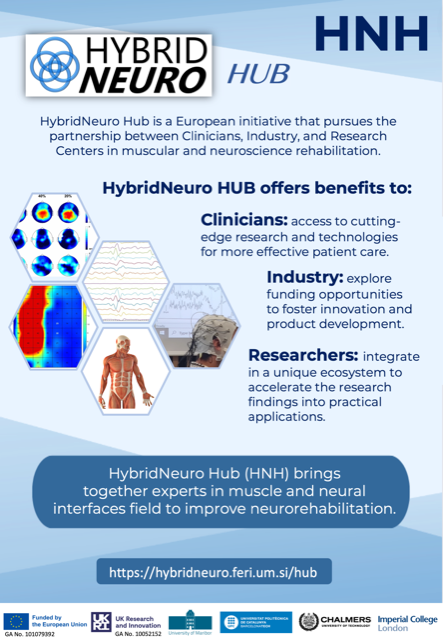
On 9 February the initiative of a hub for the motor and neural area will be presented. This hub is aimed at researchers, companies/start-ups and clinicians/hospitals and is an action and objective of the HybridNeuro project. The event will focus on brainstorming on the hub to foster international networking, generate shared databases, test technologies, and promote the creation of European consortia and proposals and the creation of specialised forums for hospital, research and business stakeholders.
About the HybridNeuro project
The HybridNeuro project is designed to establish a new way of analysing the motor system and human musculoskeletal movements and transferring academic research to clinical practice and industry. For more information, visit this link. Find out more from the interview with Mónica Rojas, a researcher from the BIOART group (CREB) at the UPC, in this link to our blog.
Related Projects
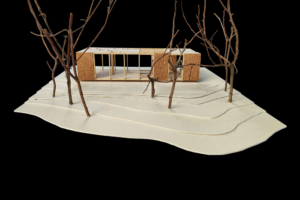
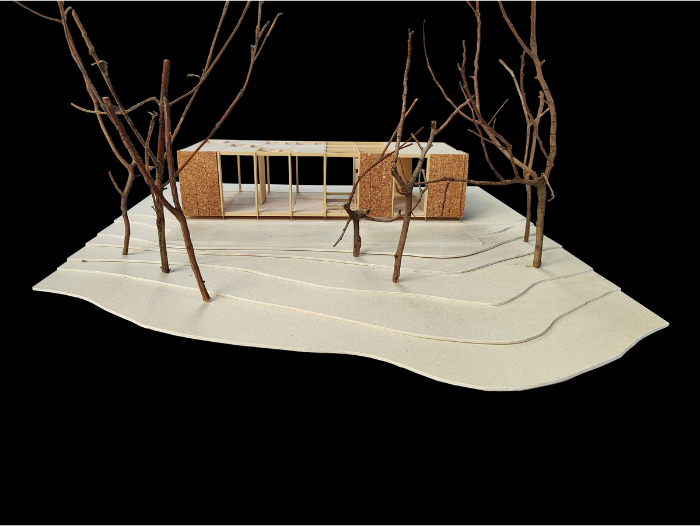
- The Casa Bosc project explores a lightweight, modular and prefabricated timber construction system designed to reduce the environmental impact of housing while making it easier to build and adapt to different contexts. The project has been developed by researchers from the Architectural Rehabilitation and Restoration Research Group (REARQ) at the Universitat Politècnica de Catalunya - BarcelonaTech (UPC) and the company ÀGORA.
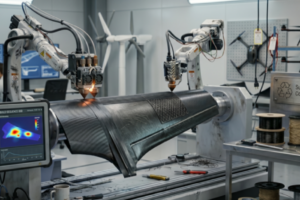
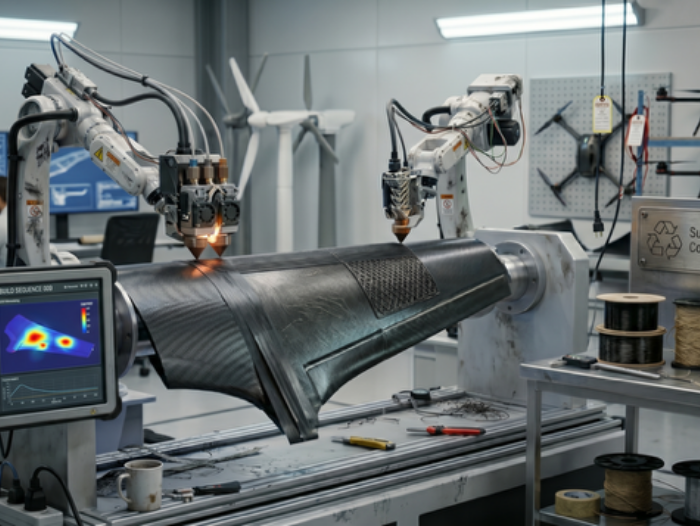
- The Control, Data and Artificial Intelligence (CoDAlab) research group at the Universitat Politècnica de Catalunya - BarcelonaTech (UPC) is taking part in the ATHENS project, which is developing recyclable thermoplastic composite materials with advanced real-time monitoring systems to improve the manufacture, safety and service life of lightweight structures.
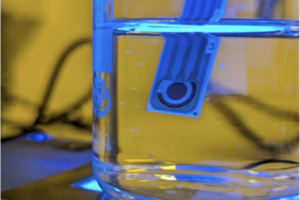
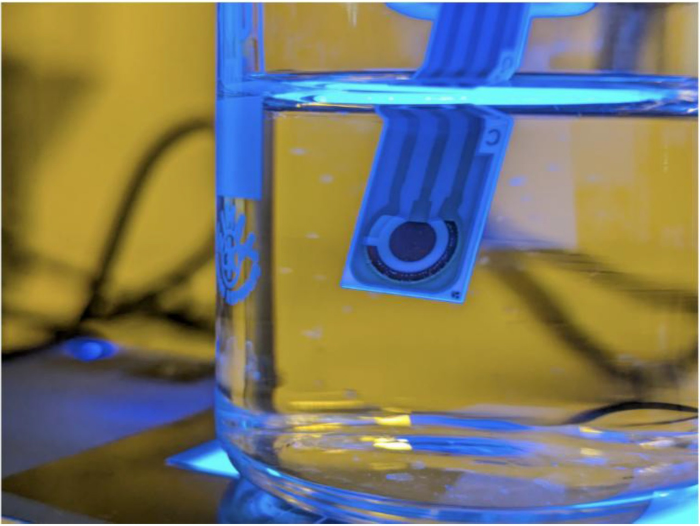
- The MICROTECH LAB - Microtechnology for the Industry research subgroup, part of the Centre for Advanced Technologies in Mechanics (CATMech) at the Universitat Politècnica de Catalunya - BarcelonaTech (UPC), is leading the technical development of a minimally invasive platform to monitor biomarkers and physiological indicators related to stress and emotional wellbeing.
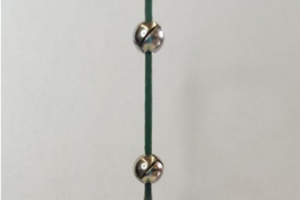
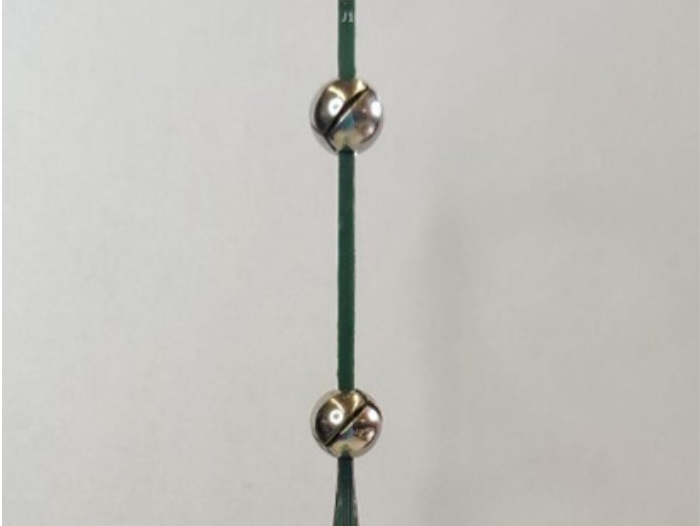
- A research team from the Universitat Politècnica de Catalunya - BarcelonaTech (UPC) has participated in the M3LEC project, coordinated by the Centro de Astrobiología (CAB), a joint centre of the Spanish National Research Council (CSIC) and the Instituto Nacional de Técnica Aeroespacial (INTA), with the Universidad de Sevilla (US) / Instituto de Microelectrónica de Sevilla (IMSE) also participating. M3LEC aimed to contribute to the characterisation of the Martian atmosphere and meteorology, and to investigate new instrumentation for future planetary exploration missions.