

AI to detect soil water response
May 8, 2024
ECOSUN: Improvement of efficiency in thermal and photovoltaic cogeneration systems
June 5, 202416/05/2024
The Centre for Advanced Technologies in Mechanics (CATMech) at the Universitat Politècnica de Catalunya - BarcelonaTech (UPC) is involved in a project to explore additive manufacturing technology with concrete to provide innovative solutions to the construction market. The project, called ADRIANO, aims to develop a real-time control system for the concrete manufacturing process, to estimate the expected outcome and anticipate decision-making on its various stages.
To achieve this, the pumping phase is monitored with the pumping system. The output is sensed at the time of printing. The evolution of the mixture once it has been placed in the final product and the output phase of the material that has already been mixed are also monitored. The sensors measure aspects such as moisture, temperature, flow rate and pressure. They collect a set of data that is compared with other standard tests, which allows the definition of properties of the mixture: workability, pumping capacity, construction ability and estimation of opening time, among others.
The CATMech group is in charge of the operation of the printing machine, the sensors, the contrast tests and the data analysis. The tests are carried out at the FactoryLab facilities of the School of Industrial, Aerospace and Audiovisual Engineering of Terrassa (ESEIAAT).
As a result, this monitoring will optimise the manufacturing process and control production to obtain higher quality parts and reduce time and material losses.
Budget and financing
In addition to CATMech of the UPC, the project, which has a budget of 73,927.05 euros, involves VIAS and Construcciones. ADRIAN started in July 2021 and will end in July 2024. It has received funding from ACCIÓ, the Agency for Business Competitiveness.


Sector
Topic
You want to know more?
Related Projects
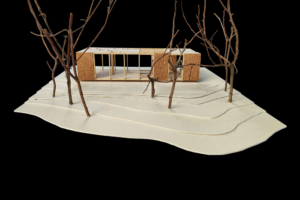
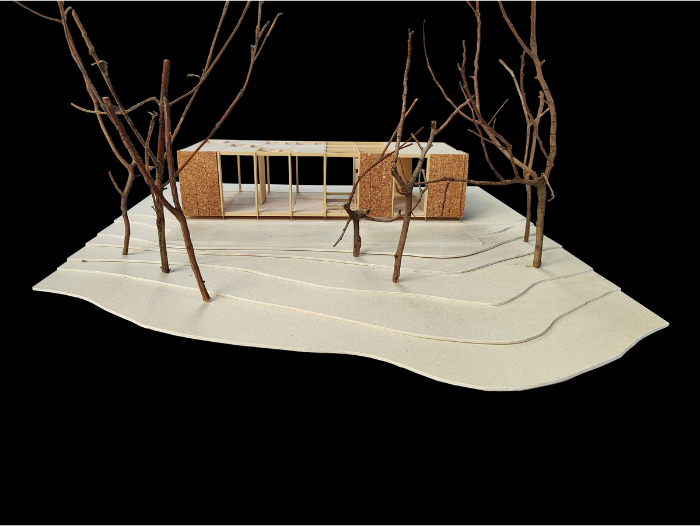
- The Casa Bosc project explores a lightweight, modular and prefabricated timber construction system designed to reduce the environmental impact of housing while making it easier to build and adapt to different contexts. The project has been developed by researchers from the Architectural Rehabilitation and Restoration Research Group (REARQ) at the Universitat Politècnica de Catalunya - BarcelonaTech (UPC) and the company ÀGORA.
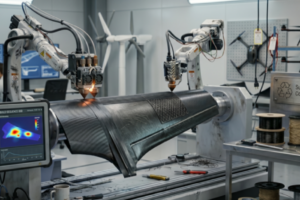
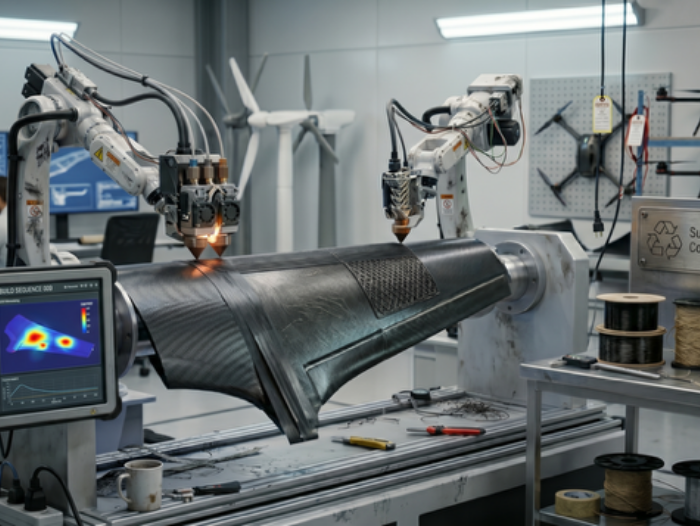
- The Control, Data and Artificial Intelligence (CoDAlab) research group at the Universitat Politècnica de Catalunya - BarcelonaTech (UPC) is taking part in the ATHENS project, which is developing recyclable thermoplastic composite materials with advanced real-time monitoring systems to improve the manufacture, safety and service life of lightweight structures.
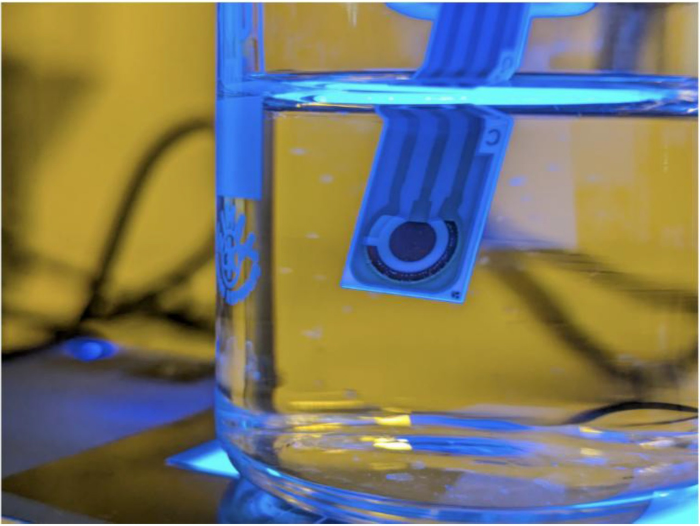
- The MICROTECH LAB - Microtechnology for the Industry research subgroup, part of the Centre for Advanced Technologies in Mechanics (CATMech) at the Universitat Politècnica de Catalunya - BarcelonaTech (UPC), is leading the technical development of a minimally invasive platform to monitor biomarkers and physiological indicators related to stress and emotional wellbeing.
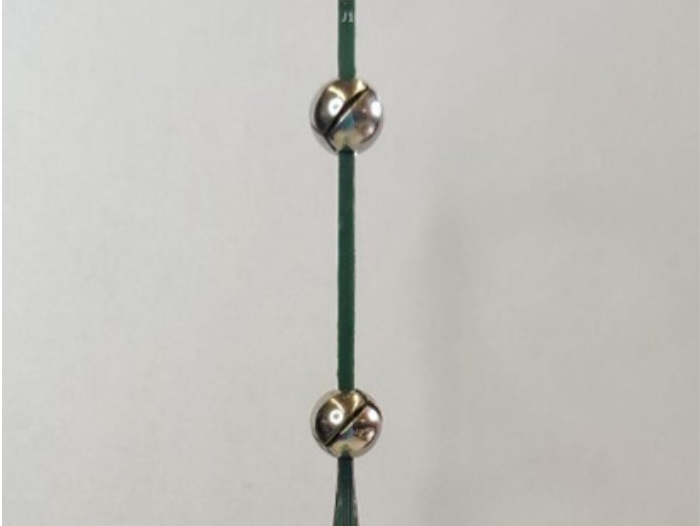
- A research team from the Universitat Politècnica de Catalunya - BarcelonaTech (UPC) has participated in the M3LEC project, coordinated by the Centro de Astrobiología (CAB), a joint centre of the Spanish National Research Council (CSIC) and the Instituto Nacional de Técnica Aeroespacial (INTA), with the Universidad de Sevilla (US) / Instituto de Microelectrónica de Sevilla (IMSE) also participating. M3LEC aimed to contribute to the characterisation of the Martian atmosphere and meteorology, and to investigate new instrumentation for future planetary exploration missions.