

Launch of the satellite SOAR, as part of the Discoverer project, led in Spain by the UPC
June 15, 2021
Telerehabilitation for people who have suffered a stroke and have chronic injuries
June 18, 2021The Wireless Networks Group (WNG) is leading WINTERTIME, a project to design and implement a wireless mesh for the internet of things (IoT) with low-power radios.
The Internet of Things (IoT) allows the integration of all kinds of objects into common telecommunications networks, facilitating interaction between users and "things" in everyday environments through applications for home, the city, transport or the intelligent industry, among many others. IoT devices generally have a wireless communication interface, but due to their very low consumption and low cost requirements, the technologies commonly used for personal communications (e.g. Wi-Fi or LTE) are not suitable. The main idea of the project is to integrate users and "things" in the same network, despite the fact that they use incompatible communication technologies.

In a Wake Up Radio (WuR) system, there is a primary radio for high capacity and low latency communications, having also high energy needs, which is why it is desirable to keep it in an energy saving state as long as possible. While the primary radio is off, a low-power secondary radio remains active. This secondary radio or wake-up radio is responsible for "waking up" the primary radio upon request.
This project is proposed as an extension of the ALLINONE project, which was also developed by WNG. In ALLINONE, WuR mechanisms are developed and tested with the potential to be used to communicate devices with non-compatible primary radios. With this approach, in addition to the application focused on energy savings, the possibility of having an additional low-cost and low-power radio in any electronic device opens the doors to a large number of new applications. These new applications are the focus of the project, which aims to design, analyze and develop different applications of a low power radio system within the framework of a wireless mesh network. This architecture could facilitate the integration of IoT in 5G (case of mass communications between machines), being also useful in vehicular communications scenarios or even in satellite networks.
The project was funded by the Spanish State Research Agency with an allocation of 163,350 euros. The project started in 2020 and will finish in 2024.
You want to know more?
Related Projects
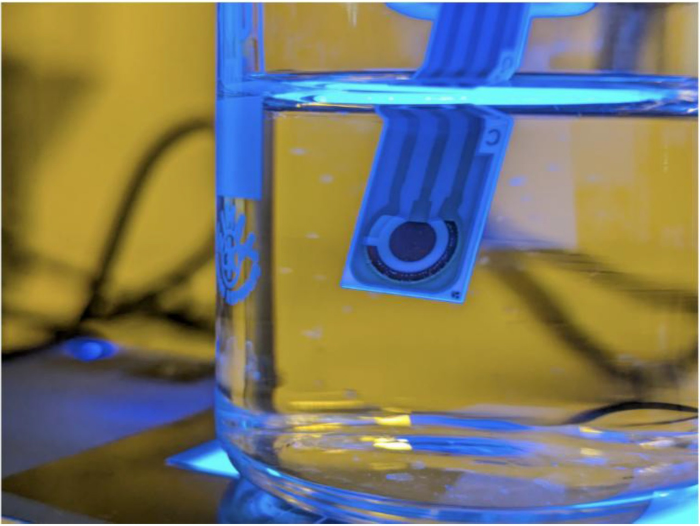
- The MICROTECH LAB - Microtechnology for the Industry research subgroup, part of the Centre for Advanced Technologies in Mechanics (CATMech) at the Universitat Politècnica de Catalunya - BarcelonaTech (UPC), is leading the technical development of a minimally invasive platform to monitor biomarkers and physiological indicators related to stress and emotional wellbeing.
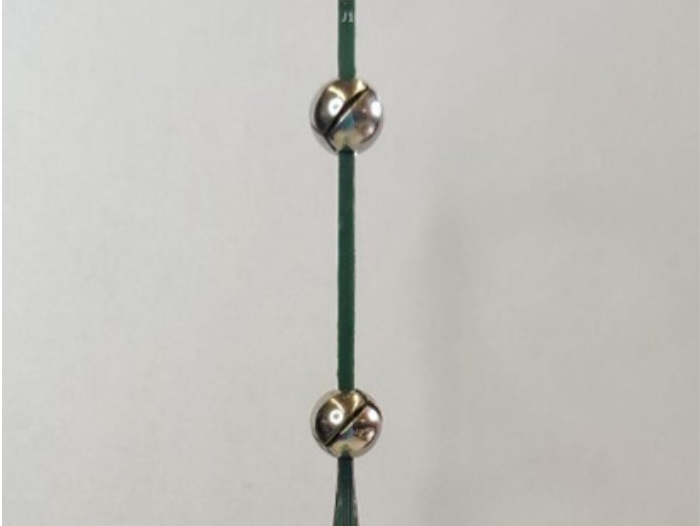
- A research team from the Universitat Politècnica de Catalunya - BarcelonaTech (UPC) has participated in the M3LEC project, coordinated by the Centro de Astrobiología (CAB), a joint centre of the Spanish National Research Council (CSIC) and the Instituto Nacional de Técnica Aeroespacial (INTA), with the Universidad de Sevilla (US) / Instituto de Microelectrónica de Sevilla (IMSE) also participating. M3LEC aimed to contribute to the characterisation of the Martian atmosphere and meteorology, and to investigate new instrumentation for future planetary exploration missions.
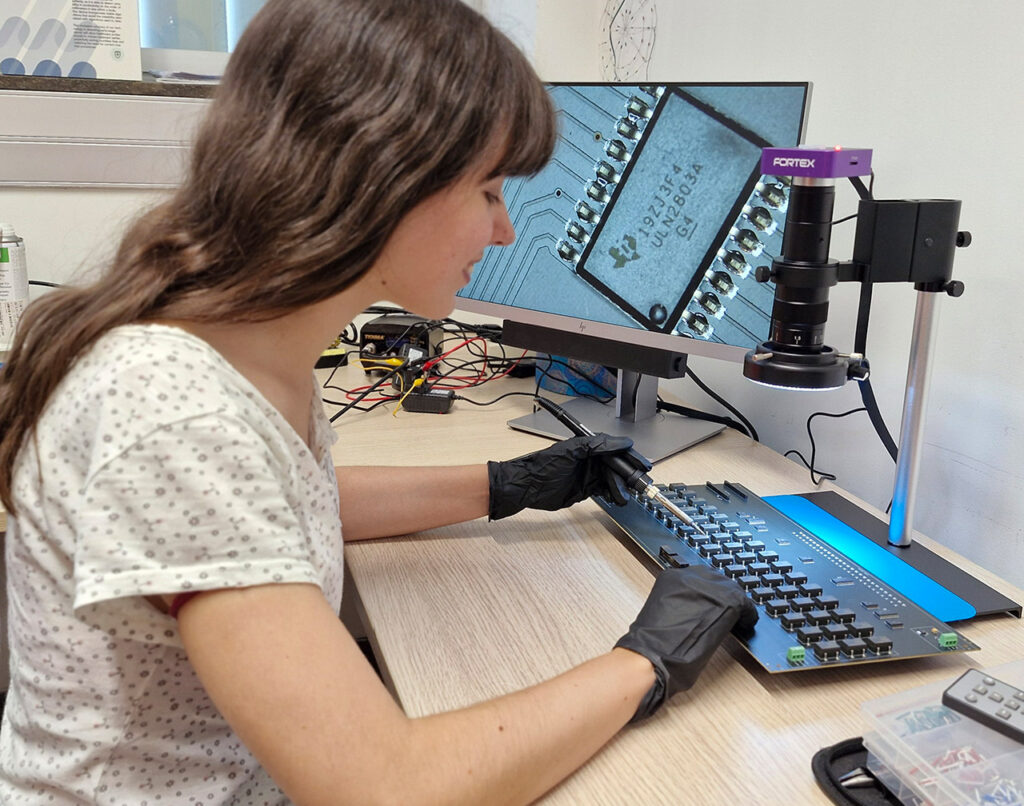
- A team from the Matrix Analysis and Discrete Potential Theory (MAPTHE) research group at the Universitat Politècnica de Catalunya - BarcelonaTech (UPC), and the Department of Mathematics at CUNEF Universidad in Madrid, have participated in the development of MARIA, a prototype of a portable, flexible and radiation-free device designed to improve the early detection of breast cancer. The device can identify tumours through electrical conductivity, with the aim of enabling its future use in primary care settings.
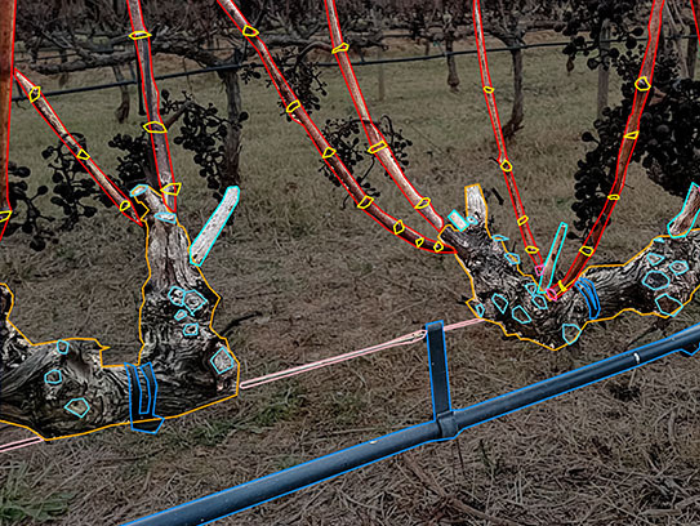
- The Center for Industrial Equipment Design (CDEI-UPC) at the Universitat Politècnica de Catalunya - BarcelonaTech (UPC) is participating in a cross-border project aimed at promoting the use of advanced digital technologies in viticulture in regions on both sides of the Pyrenees. The initiative seeks to improve specialist training, technical advice and decision-making in vineyard management.