

EU.FFICIENT: CO-CREATION, THE FUTURE OF COLLABORATIVE INNOVATION IN EUROPE
June 7, 2024
Study on the Use of Smart Glasses for Visually Impaired People
July 26, 202426/06/2024
UPC, the Port of Barcelona and Siport21 will create an innovative operational control system for ships moored during the loading and unloading phase due to the effect of nearby maritime traffic, based on artificial intelligence and machine learning. This will be developed within the Compass+ project, which has been recognised as a pre-commercial project in the second call of the innovation fund managed by Ports of the State − Ports 4.0. The aim of the fund is to enhance efficiency and safety in port operations by integrating disruptive technologies that will drive the ports of the future.

The objective of the system, developed by the Maritime Engineering Laboratory (LIM) of the Universitat Politècnica de Catalunya - BarcelonaTech (UPC), the Port of Barcelona and Siport21, is to mitigate the impact that the passage of vessels (excessive movements and mooring issues) has on docked ships; a phenomenon that is on the rise due to increased traffic and vessel sizes. Due to their rigidity, port infrastructures cannot easily adapt to these new scenarios and require real-time decision-making systems to improve efficiency, effectiveness and safety.
Using low-cost IoT monitoring systems, the technology will predict movements in ship traffic scenarios and consider weather conditions to provide recommendations for vessel entry or exit from the port. This approach aims to prevent disruptions in loading and unloading operations, which will enhance terminal safety and operational efficiency. It serves as a predictive tool to aid decision-making on cargo handling operations and traffic control. The Compass+ project incorporates various technologies including artificial intelligence, machine learning and monitoring.
The project will conclude with a pilot at berth 34B of the Port of Barcelona, which also acts as a facilitating agent near the entrance to the access channel, to validate and refine the prediction system. Compass+ has a budget of 1.055 million euros and a timeframe of two and a half years (2024-2026).
Technology
You want to know more?
Related Projects
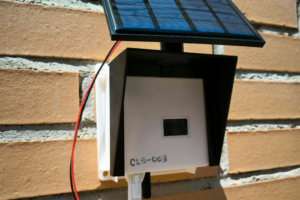
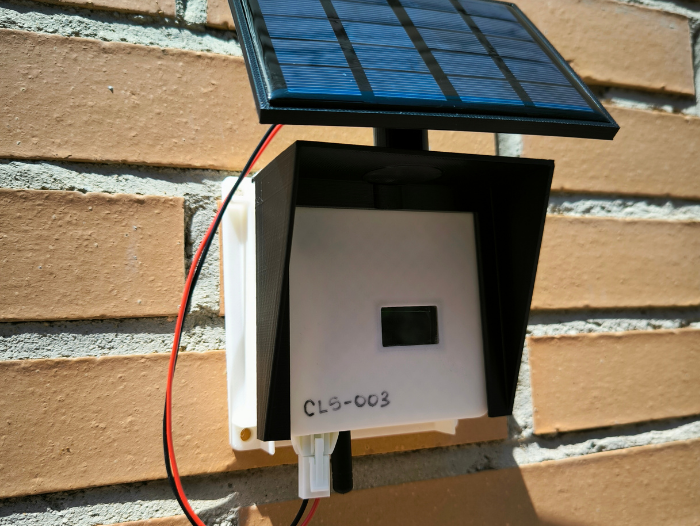
- The Communication Networks and Distributed Systems (CNDS) research group at the Universitat Politècnica de Catalunya - BarcelonaTech (UPC) is developing an innovative methodology that combines sensors, artificial intelligence and thermal imaging to identify differences in thermal comfort across urban spaces and support decision-making in response to heatwaves.
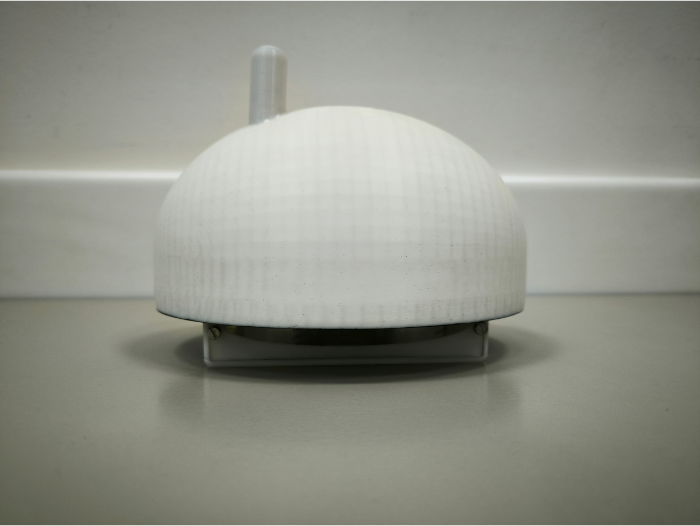
- Researchers from the Computer Networks and Distributed Systems (CNDS) research group at the Universitat Politècnica de Catalunya - BarcelonaTech (UPC) are developing new artificial intelligence-based solutions to obtain more accurate and reliable data from IoT sensor networks, with applications in air quality monitoring, anomaly detection and industrial predictive maintenance.
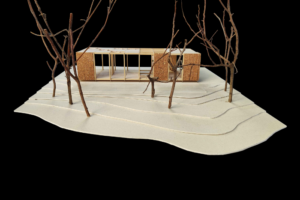
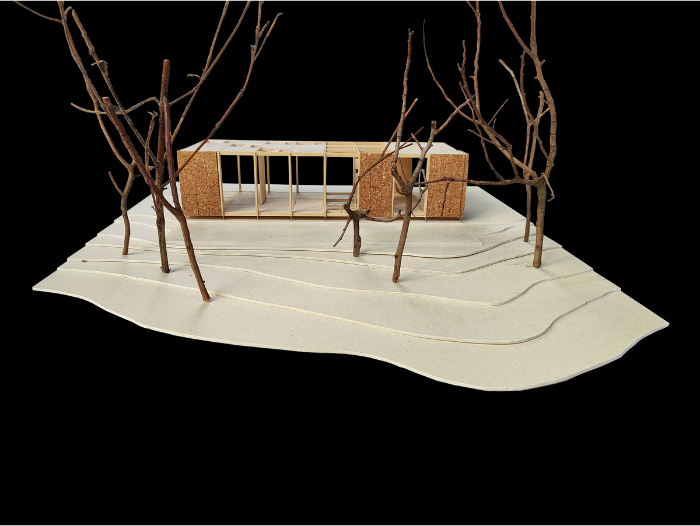
- The Casa Bosc project explores a lightweight, modular and prefabricated timber construction system designed to reduce the environmental impact of housing while making it easier to build and adapt to different contexts. The project has been developed by researchers from the Architectural Rehabilitation and Restoration Research Group (REARQ) at the Universitat Politècnica de Catalunya - BarcelonaTech (UPC) and the company ÀGORA.
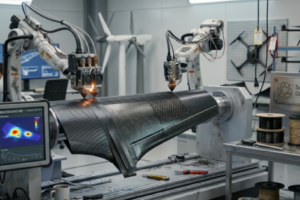
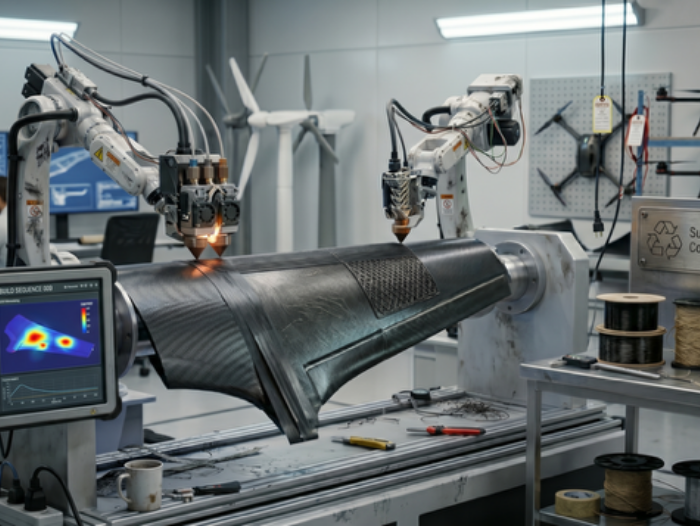
- The Control, Data and Artificial Intelligence (CoDAlab) research group at the Universitat Politècnica de Catalunya - BarcelonaTech (UPC) is taking part in the ATHENS project, which is developing recyclable thermoplastic composite materials with advanced real-time monitoring systems to improve the manufacture, safety and service life of lightweight structures.