

Improve the detection of radon gas in air and soil
February 10, 2021
An innovative technology to take advantage of the surplus energy generated by solar panels
February 18, 2021The Centre for Sensors, Instrument and Systems Development (CD6 UPC) works on the project Automatic hyperspectral pest counter, to improve the efficiency of integrated pest control through photonic engineering, by adopting an automated strategy that is environmentally friendly.
Precision agriculture, the new agricultural techniques, promote the use of sensors to capture, process and convert georeferenced data into useful information for decision-making. One EU target is to achieve sustainable use of pesticides by reducing their impact on human health and the environment through non-chemical alternatives.

The aim of the project is to design and construct a preindustrial prototype with the development of algorithms based on hyperspectral models and machine learning to adapt the algorithm to the recognition of other small insects that affect (citric) fruit crops, such as red scale (Aonidiella Aurantii), the most harmful pest for citric fruits.
The new system can be used to obtain images of georeferenced traps and provide automatic counts of the development of infestations in almost real-time. It identifies the type of insect associated with the infestation, based on its properties. The system will help the farmer to respond in the best way to infestations that involve very small insects, with maximum protection and zero waste.
This project is supported by companies and clusters in the agricultural sector and has been cofunded by the European Union through the European Regional Development Funds (ERDF). It is supported by the Secretariat for Universities and Research of the Government of Catalonia’s Ministry of Business and Knowledge.

Technology
You want to know more?
Related Projects
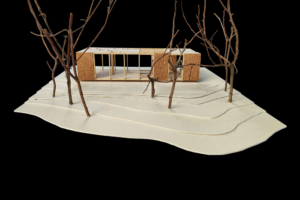
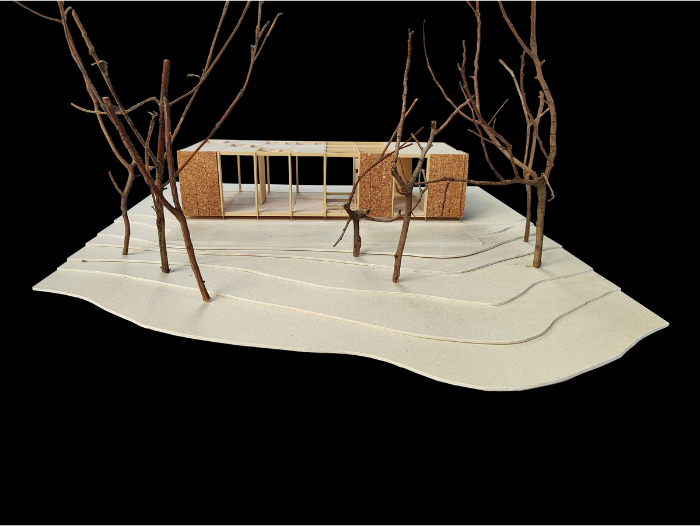
- The Casa Bosc project explores a lightweight, modular and prefabricated timber construction system designed to reduce the environmental impact of housing while making it easier to build and adapt to different contexts. The project has been developed by researchers from the Architectural Rehabilitation and Restoration Research Group (REARQ) at the Universitat Politècnica de Catalunya - BarcelonaTech (UPC) and the company ÀGORA.
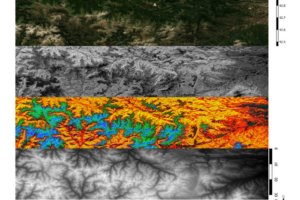
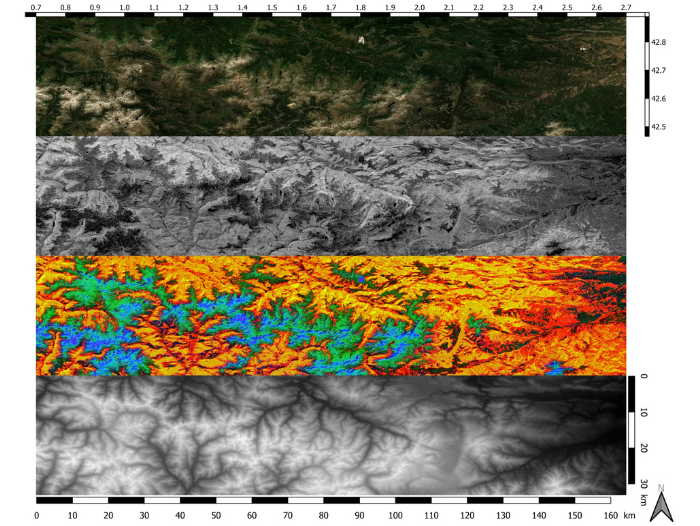
- Un equip de recerca de la UPC, integrat pel CommSensLab-UPC i el Remote Sensing Lab (RSLAB) de la Universitat Politècnica de Catalunya - BarcelonaTech (UPC), juntament amb l’Institut d’Estudis Espacials de Catalunya (IEEC), ha participat en el projecte AI4EO, amb l’objectiu d’impulsar solucions i posar en pràctica eines d’intel·ligència artificial aplicades a dades d’observació de la Terra en diversos casos d’ús sobre el territori català.
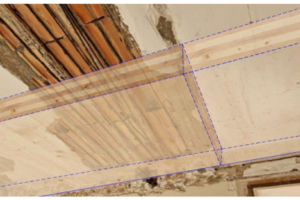
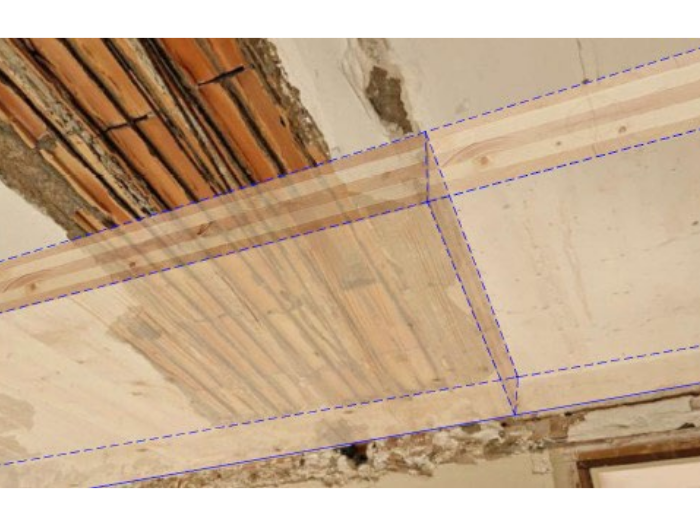
- Researchers from the Architecture, Energy and Environment research group (AiEM) and the Design and Analysis of Architectural Structures research group of the Department of Architectural Technology (DiCEA), which are part of the Centre for Research and Services for the Local Administration (CRAL) at the Universitat Politècnica de Catalunya - BarcelonaTech (UPC), have developed an innovative system for the structural strengthening of ceramic floor slabs using stress-activated timber, designed to intervene in occupied buildings in a fast, sustainable and replicable manner.
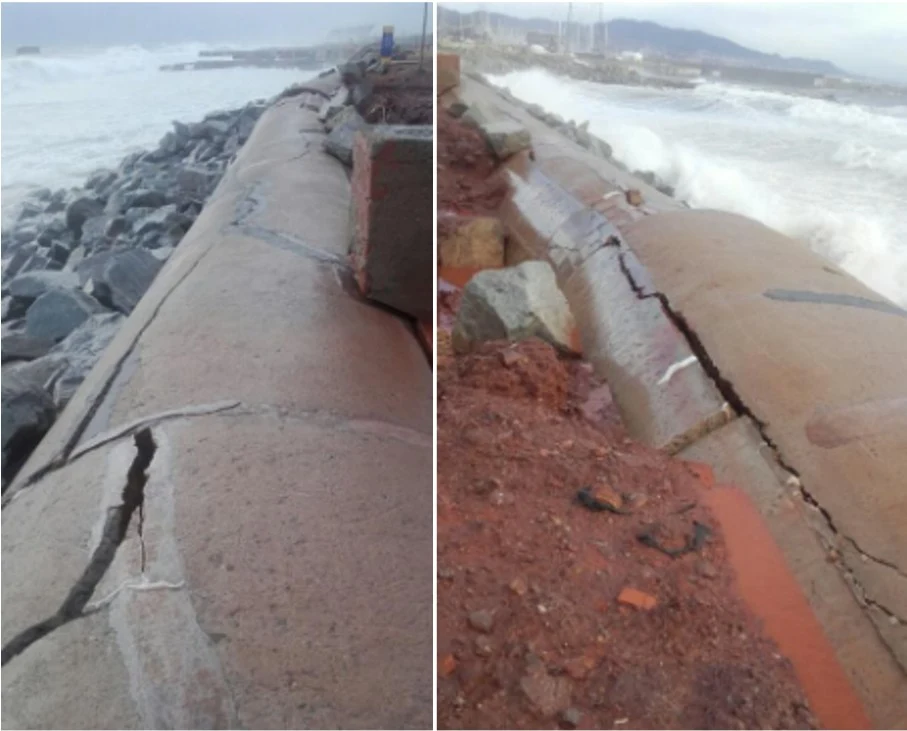
- A team of researchers led by the FLUMEN Research Institute at the Universitat Politècnica de Catalunya - BarcelonaTech (UPC) has participated in the European ICARIA project. Its aim is to develop tools and risk maps that enable public authorities and infrastructure managers to anticipate the impacts of extreme climate events and make adaptation decisions on a more robust technical basis.