

ARIADNA, a European project to promote the use of GALILEO applied to urban mobility
February 1, 2020
COVID-19 · The UPC collaborates with the catalan Ministry of Health on requirements to make reusable healthcare masks
March 1, 2020The Wireless Networks Group (WNG) at the UPC participates in CARAMEL, a European project whose main objective is to respond to current cybersecurity challenges of connected vehicles, through advanced technologies of Artificial Intelligence and Machine Learning.
To achieve this, various types of vehicles will be considered (cooperative, connected, autonomous and electric), and new methods and solutions will be sought to reduce the cybersecurity risks associated with each of them.
Although protocols currently exist to guarantee security, vehicle connectivity, autonomous driving systems and smart charging of electric vehicles introduce new cybersecurity breaches that should be tackled.

As part of CARAMEL, intrusion detection system (IDS)/intrusion prevention system (IPS) products will be developed as well as advanced technologies and services to manage complex cyberattacks and reduce potential damage. In addition, new interoperable, scalable ICT infrastructure will be designed to provide sustainable cybernetic security and digital privacy.
Cybersecurity is one of the four most serious global risks that we are facing, according to the World Economic Forum in Davos at the start of 2018. In 2020, experts predict that 20 billion devices will be connected, which will doubtless lead to a higher number of cybernetic attacks.
The pilot tests of CARAMEL will be carried out in Karlsruhe, and they are scheduled in January 2022.
The CARAMEL project has received funding of 5 million euros from the Horizon 2020 programme of the European Union and will be executed over 30 months (October 2019 to March 2022). The project is coordinated by i2CAT and has 14 other participating members from 8 European countries (Germany, Spain, Cyprus, Portugal, the Netherlands, the United Kingdom, Greece and Austria).
The CARAMEL project has received funding of 5 million euros from the Horizon 2020 programme of the European Union and will be executed over 30 months (October 2019 to March 2022). The project is coordinated by i2CAT and has 14 other participating members from 8 European countries (Germany, Spain, Cyprus, Portugal, the Netherlands, the United Kingdom, Greece and Austria).
You want to know more?
Related Projects
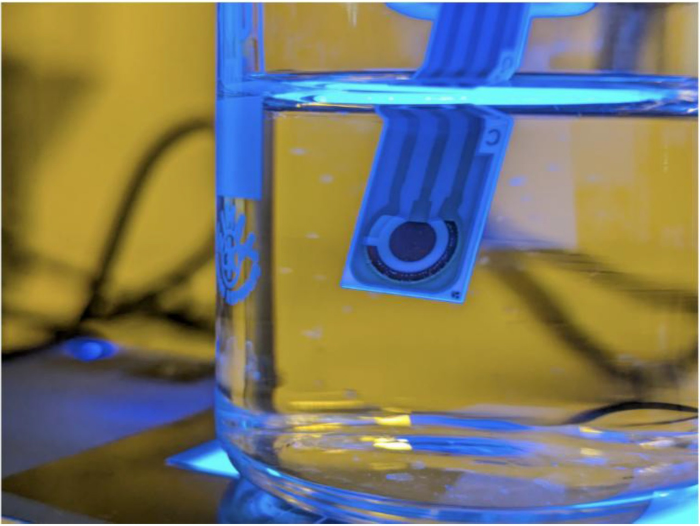
- The MICROTECH LAB - Microtechnology for the Industry research subgroup, part of the Centre for Advanced Technologies in Mechanics (CATMech) at the Universitat Politècnica de Catalunya - BarcelonaTech (UPC), is leading the technical development of a minimally invasive platform to monitor biomarkers and physiological indicators related to stress and emotional wellbeing.
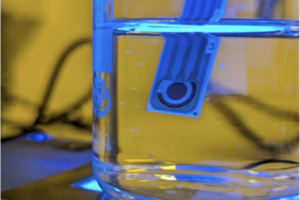
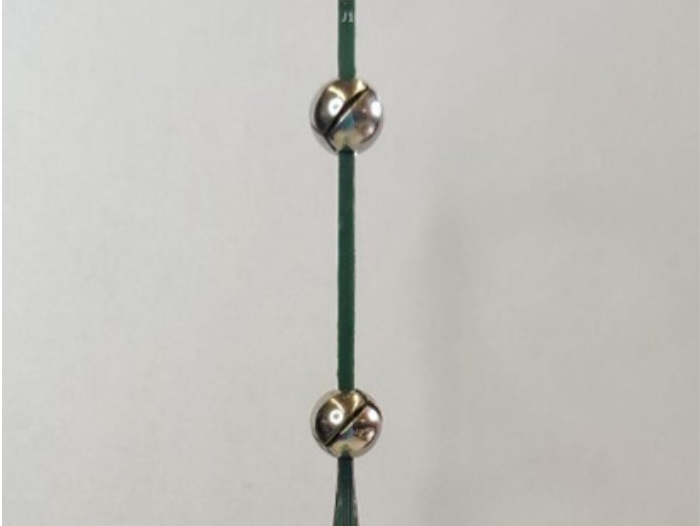
- A research team from the Universitat Politècnica de Catalunya - BarcelonaTech (UPC) has participated in the M3LEC project, coordinated by the Centro de Astrobiología (CAB), a joint centre of the Spanish National Research Council (CSIC) and the Instituto Nacional de Técnica Aeroespacial (INTA), with the Universidad de Sevilla (US) / Instituto de Microelectrónica de Sevilla (IMSE) also participating. M3LEC aimed to contribute to the characterisation of the Martian atmosphere and meteorology, and to investigate new instrumentation for future planetary exploration missions.
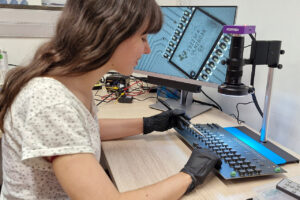
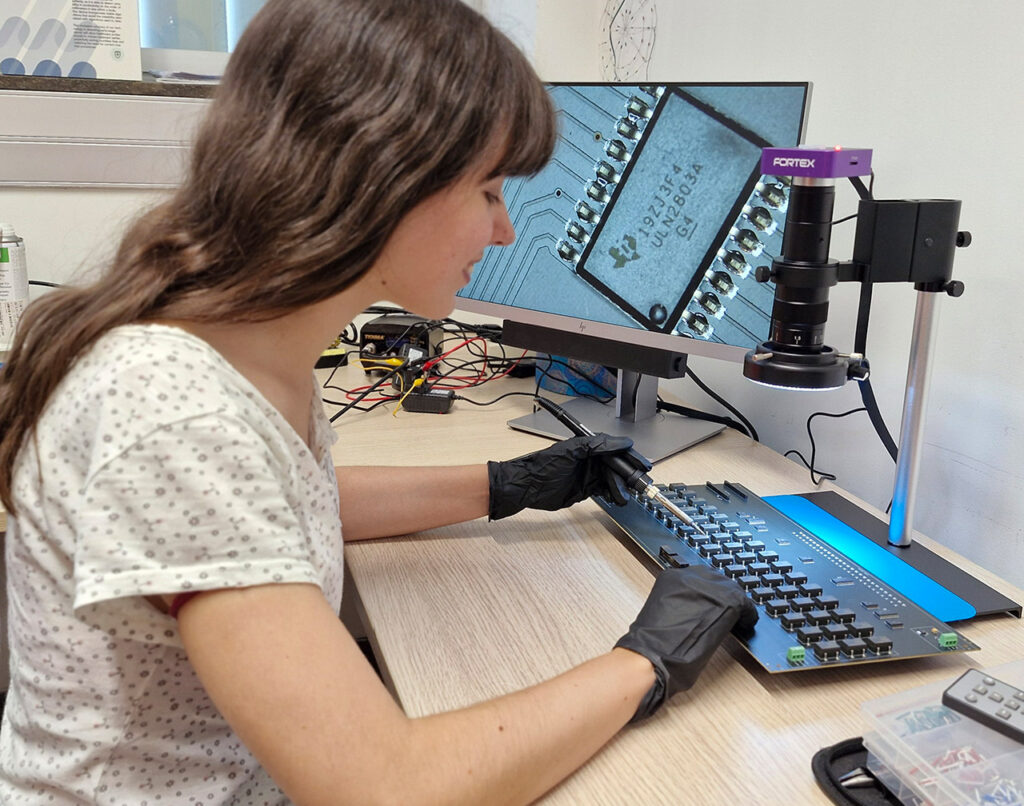
- A team from the Matrix Analysis and Discrete Potential Theory (MAPTHE) research group at the Universitat Politècnica de Catalunya - BarcelonaTech (UPC), and the Department of Mathematics at CUNEF Universidad in Madrid, have participated in the development of MARIA, a prototype of a portable, flexible and radiation-free device designed to improve the early detection of breast cancer. The device can identify tumours through electrical conductivity, with the aim of enabling its future use in primary care settings.
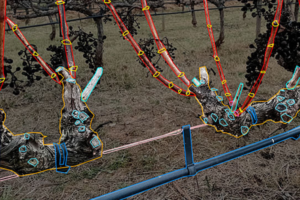
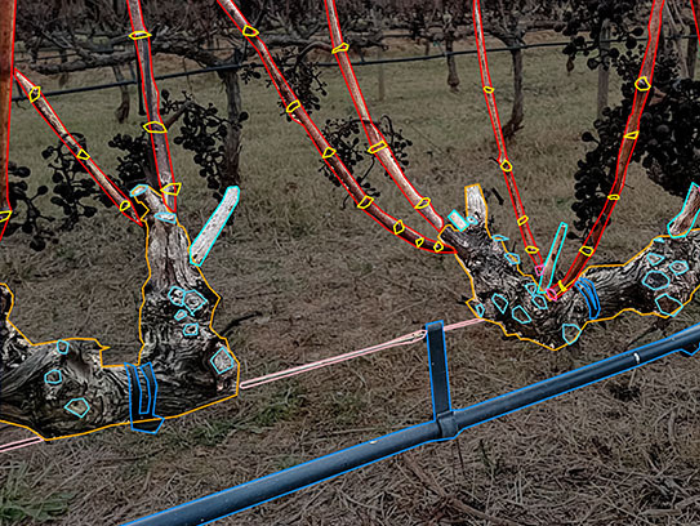
- The Center for Industrial Equipment Design (CDEI-UPC) at the Universitat Politècnica de Catalunya - BarcelonaTech (UPC) is participating in a cross-border project aimed at promoting the use of advanced digital technologies in viticulture in regions on both sides of the Pyrenees. The initiative seeks to improve specialist training, technical advice and decision-making in vineyard management.