

M3SENS: Advanced sensors to characterise the surface and subsurface in planetary missions
September 2, 2026
Recyclable and smart composite materials for lighter, safer and more efficient structures
September 10, 202608/09/2026
The MICROTECH LAB - Microtechnology for the Industry research subgroup, part of the Centre for Advanced Technologies in Mechanics (CATMech) at the Universitat Politècnica de Catalunya - BarcelonaTech (UPC), is leading the technical development of a minimally invasive platform to monitor biomarkers and physiological indicators related to stress and emotional wellbeing.
Identifying when a person is experiencing stress or distress is essential to provide appropriate care. However, people affected by cerebral palsy, multiple sclerosis, stroke, Alzheimer’s disease or other conditions may find it difficult to express verbally how they feel. This barrier limits the ability of families, carers and healthcare professionals to interpret their needs and take early action.
The EmotionalSigns project addresses this challenge through a tool capable of obtaining objective information on the body’s response to stressful or emotionally intense situations. It collects and combines biochemical and physiological signals to facilitate a rapid assessment of stress and emotional state. The solution is designed specifically for people with communication difficulties and aims to advance towards more accessible and affordable tools for medical settings, research centres, foundations and care services.
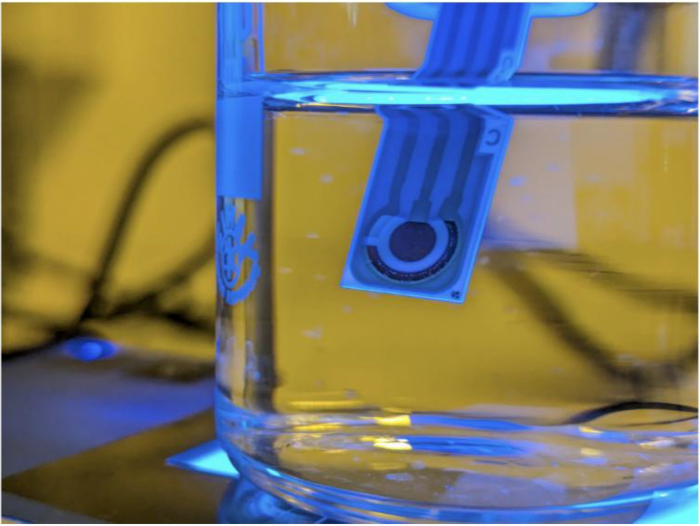
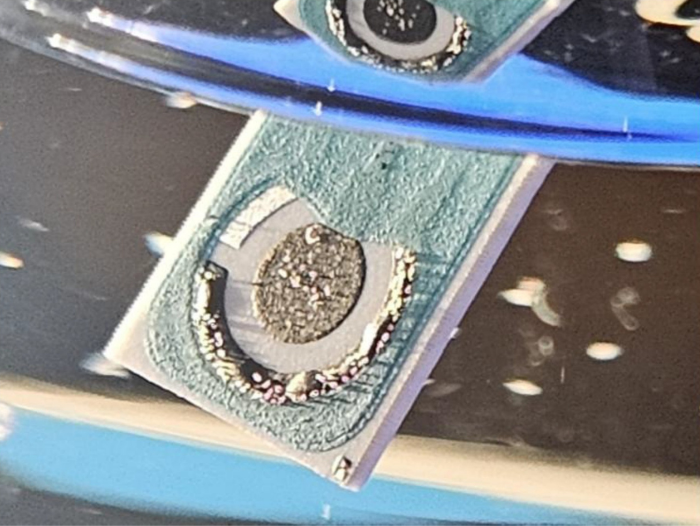
The system will analyse chemical biomarkers related to stress, mainly cortisol and lactate, found in bodily fluids such as sweat and saliva. It will use amperometric electrochemical biosensors and microfluidic devices to collect samples and direct them to the detection area.
These data will be complemented by physiological parameters such as heart rate variability and galvanic skin response. The former makes it possible to observe changes in heart rhythm linked to the body’s stress response, while the latter detects changes in skin conductivity caused by emotional activation.
The information obtained will be transmitted wirelessly to a digital environment for data capture, processing and visualisation, where it can be consulted by professionals, relatives or carers. The aim is to provide results in less than thirty minutes and to have a viable prototype by the end of the project.
EmotionalSigns’ main innovation is the integration, within a single tool, of biochemical and physiological measurements with data transmission and analysis technologies. Unlike many commercial devices aimed at the general population, the initiative focuses specifically on people who cannot communicate their distress conventionally.
The project also aims to develop a more affordable alternative to current equipment, which often depends on costly and inaccessible infrastructure. This approach could facilitate adoption by care providers and organisations with limited resources.
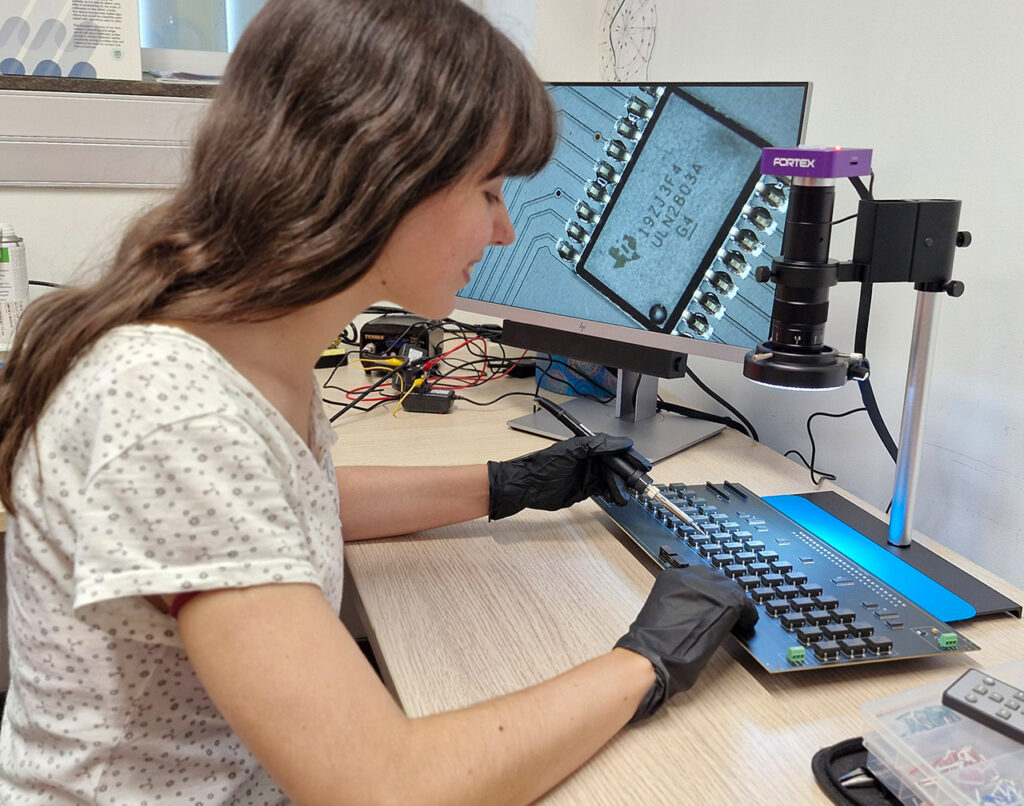
The UPC’s MICROTECH LAB team is responsible for designing, manufacturing and testing the sensors used to monitor cortisol and lactate. It is also developing the microfluidic devices that collect and channel the samples, and contributing ergonomic solutions to integrate measurements of heart rate variability and galvanic skin response. This contribution combines technological capabilities in biosensors, microtechnology, nanotechnology, microfluidics and the design of healthcare devices.
Budget and Consortium
EmotionalSigns is coordinated by the company 3DThinks, which is responsible for the central data platform and software. The Universitat de Barcelona (UB) is also participating, developing the electronic systems for sensor control and readout and the infrastructure used to acquire and transmit the data.
The project will run for three years, from 1 October 2024 to 30 September 2027, and has a total budget of €655,034.27. Under reference CPP2023-010707, it received funding through the 2023 Public-Private Collaboration Projects call of the Spanish Ministry of Science, Innovation and Universities, via the Spanish State Research Agency, with co-funding from the European Regional Development Fund (ERDF).

Related Projects
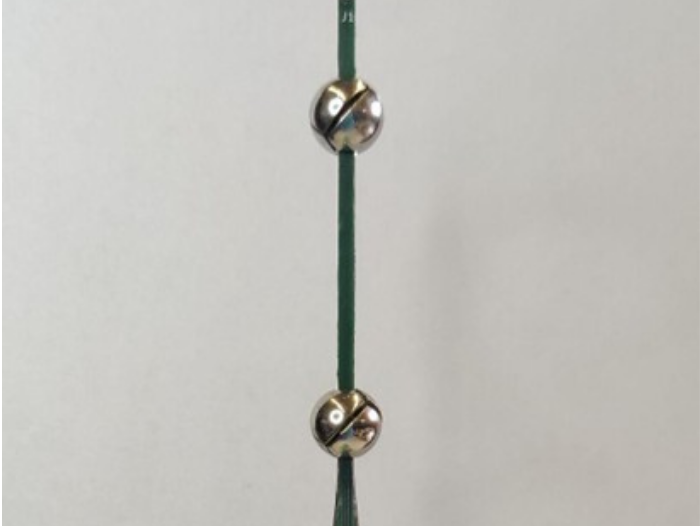
- A research team from the Universitat Politècnica de Catalunya - BarcelonaTech (UPC) has participated in the M3LEC project, coordinated by the Centro de Astrobiología (CAB), a joint centre of the Spanish National Research Council (CSIC) and the Instituto Nacional de Técnica Aeroespacial (INTA), with the Universidad de Sevilla (US) / Instituto de Microelectrónica de Sevilla (IMSE) also participating. M3LEC aimed to contribute to the characterisation of the Martian atmosphere and meteorology, and to investigate new instrumentation for future planetary exploration missions.
- A team from the Matrix Analysis and Discrete Potential Theory (MAPTHE) research group at the Universitat Politècnica de Catalunya - BarcelonaTech (UPC), and the Department of Mathematics at CUNEF Universidad in Madrid, have participated in the development of MARIA, a prototype of a portable, flexible and radiation-free device designed to improve the early detection of breast cancer. The device can identify tumours through electrical conductivity, with the aim of enabling its future use in primary care settings.
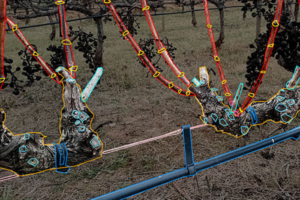
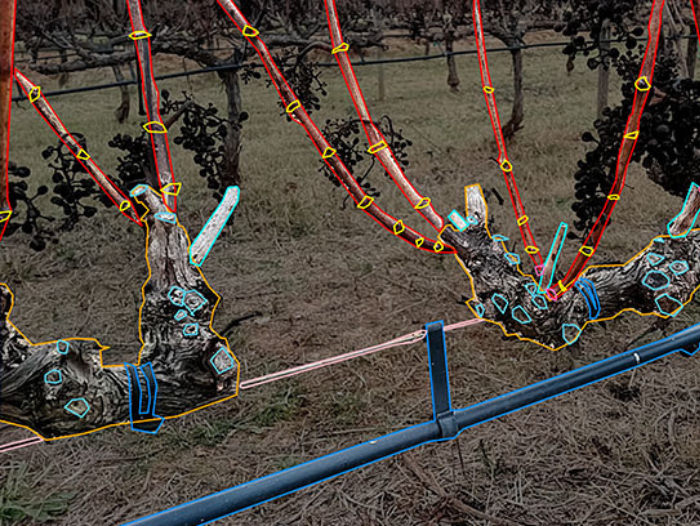
- The Center for Industrial Equipment Design (CDEI-UPC) at the Universitat Politècnica de Catalunya - BarcelonaTech (UPC) is participating in a cross-border project aimed at promoting the use of advanced digital technologies in viticulture in regions on both sides of the Pyrenees. The initiative seeks to improve specialist training, technical advice and decision-making in vineyard management.
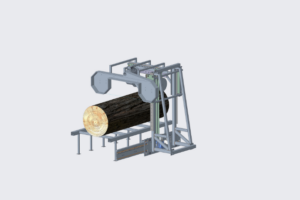
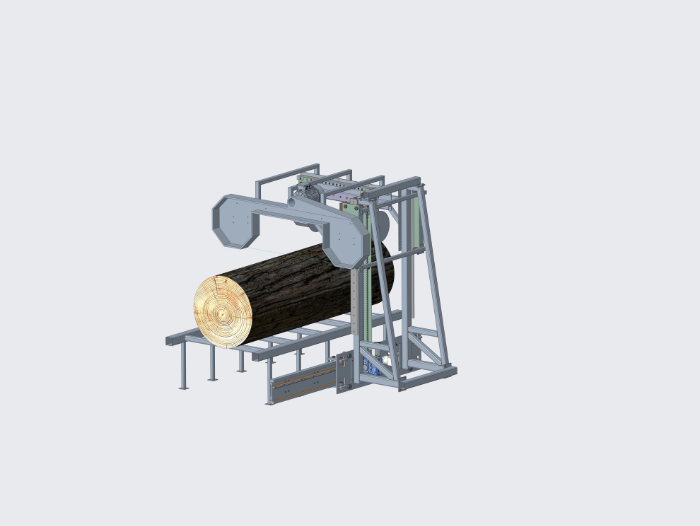
- The Centre for Industrial Equipment Design (CDEI) at the Universitat Politècnica de Catalunya - BarcelonaTech (UPC), together with the IRI, Institut de Robòtica i Informàtica Industrial (CSIC-UPC), is participating in the development of a pre-commercial prototype of an automatic portable sawmill that integrates computer vision, artificial intelligence and computer numerical control to improve productivity, efficiency and safety in local wood processing for the company Envall Coop. S.L.