

AI to calculate the CO2 balance of rural estates in three minutes
June 17, 2026
FLEXHYBAT: Second-life batteries to extend the useful life of flexible hydropower plants
June 23, 202619/06/2026
The Centre for Technological Innovation in Static Converters and Drives (CITCEA) at the Universitat Politècnica de Catalunya - BarcelonaTech (UPC) participates in the H2GLASS project, which aims to accelerate decarbonisation in the glass industry through the development and application of the new technologies needed to achieve complete hydrogen (H₂) combustion in glass or steel production facilities.
Demand for glass is constantly increasing, given its recyclability and its strategic role in the development of sustainable materials. However, the sector’s production processes are characterised by high energy intensity and significant carbon emissions, which represents a substantial challenge to achieving the climate neutrality objectives established by the European Union for 2050.
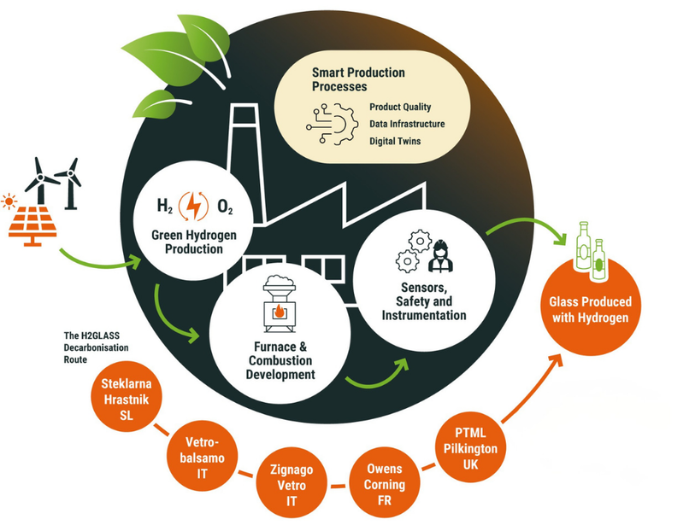
In this context, the H2GLASS project promotes the development of new technologies aimed at facilitating the adoption of 100% hydrogen combustion in the industrial processes of the glass and aluminium sectors. This transition towards green hydrogen enables a significant reduction in CO₂ emissions, without increasing pollutant emissions such as nitrogen oxides (NOx). The planned technology will make it possible to operate with mixtures of different H₂ concentrations, without negatively affecting product quality, thereby providing greater operational flexibility between natural gas and electricity.
CITCEA-UPC’s participation focuses on the development of advanced real-time optimisation algorithms for the energy management of industrial facilities. Based on historical and real-time data from the manufacturing process, local generation (photovoltaic or cogeneration) and the electricity market, the available flexibility can be assessed and quantified to reduce operating costs, minimise emissions and facilitate the provision of services to the electricity system, such as frequency and voltage support or congestion management.
CITCEA-UPC also carries out a specific research activity focused on the analysis of power converter technologies applied to electrolysis. This task covers a broad range of converter topologies, from conventional rectifiers to advanced converters, with the aim of assessing their impact both on the efficiency and dynamic behaviour of the electrolysis process and on the electricity system. The study examines how these converters influence operational stability, the quality of hydrogen production and the response to power variations, while also analysing their capacity to provide complementary services such as frequency support, voltage support and other grid-support functions. This contribution aims to identify the optimal technological pathways for integrating large-scale electrolysis systems into modern electricity grids with high levels of renewable generation.
In addition, CITCEA-UPC has developed a hydrogen system design tool. Using optimisation tools, the system assets (photovoltaics, electrolyser, hydrogen tank, etc.) are sized to minimise costs according to operation. Based on hourly data over one year on the consumption of the manufacturing process and electricity market and natural gas prices, as well as the prices of the different technologies, the technical and economic viability of hydrogen compared with fossil fuels is assessed, including environmental and operational safety criteria.
Although the use of hydrogen is established in certain industrial applications and is considered a safe energy option, the industrial-scale use of hydrogen entails specific challenges related to safety, process efficiency, supply management and emissions control. In this regard, H2GLASS envisages the implementation of rigorous safety protocols, specifically designed to ensure the safe handling and combustion of hydrogen, in alignment with the guidelines of the European Hydrogen Safety Panel. Digital twins will also be integrated to facilitate predictive maintenance strategies based on risk management.
One of the project’s key objectives is to ensure the transferability of the technologies developed to other energy-intensive industries, such as aluminium. Both sectors, glass and aluminium, share similar technical characteristics in their production processes, as well as common barriers to the integration of energy sources that are alternatives to fossil fuels. For this reason, the project includes a specific industrial demonstrator for the aluminium sector.
The technological solutions developed within the framework of H2GLASS will be validated through six industrial pilots: five in glass production plants located in different European countries.
Consortium, Budget and Funding
Coordinated by SINTEF ENERGY, H2GLASS is driven by 23 partners from 8 European countries representing research institutions from the glass and aluminium industry.
The project has a budget of €23,267,442, funded by the HORIZON EUROPE 2021-2027 programme, and has a duration of 5 years (January 2023-December 2027).
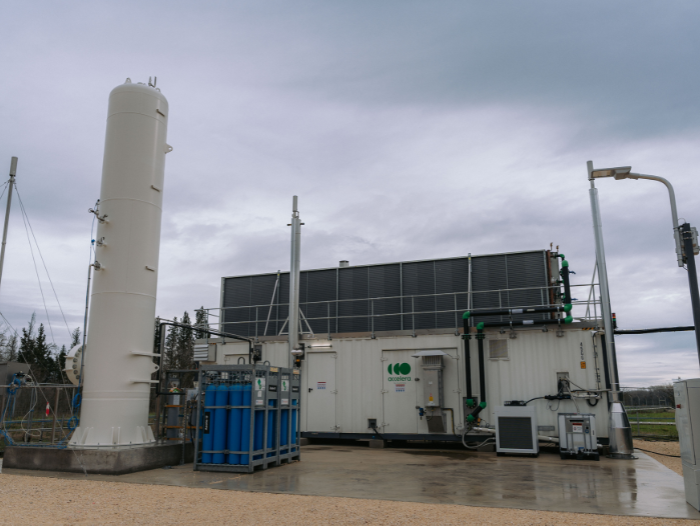
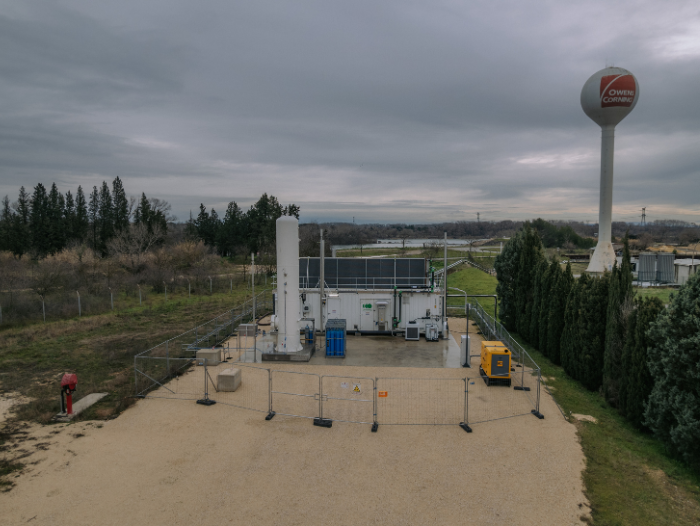
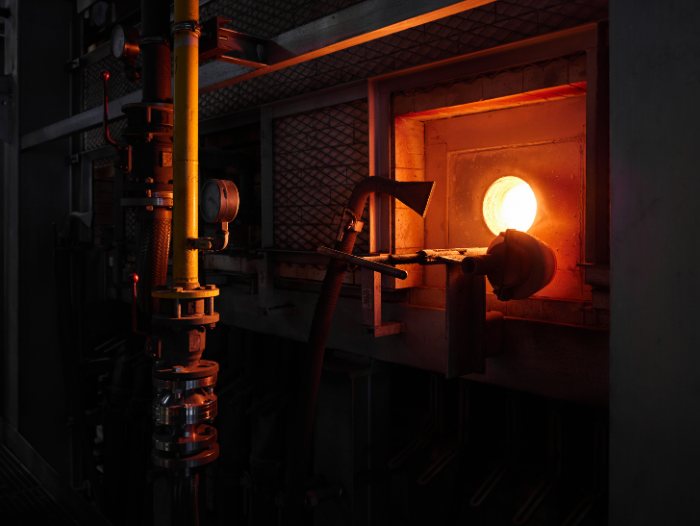
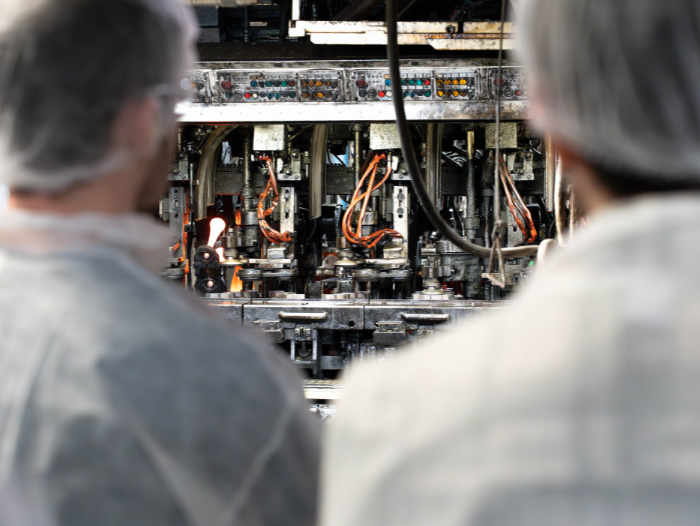
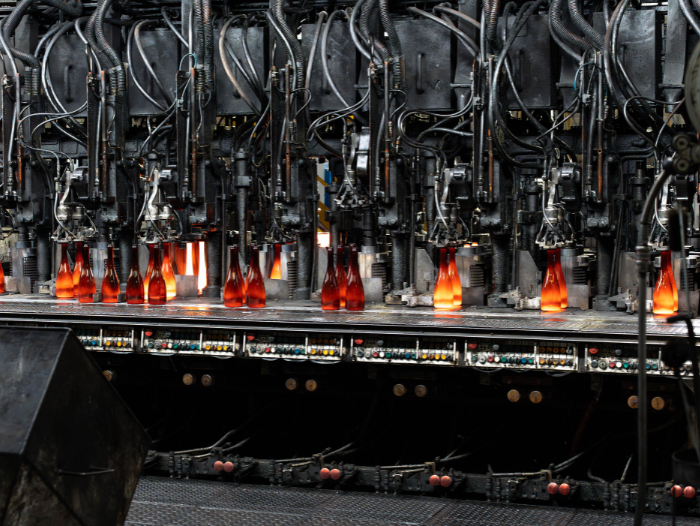
Copyright: H2GLASS Project
H2GLASS is a Horizon Europe project supported by the European Commission under grant agreement No 101092153.

Related Projects
- The Communication Networks and Distributed Systems (CNDS) research group at the Universitat Politècnica de Catalunya - BarcelonaTech (UPC) is developing an innovative methodology that combines sensors, artificial intelligence and thermal imaging to identify differences in thermal comfort across urban spaces and support decision-making in response to heatwaves.
- A research team from the Universitat Politècnica de Catalunya - BarcelonaTech (UPC) has participated in the M3LEC project, coordinated by the Centro de Astrobiología (CAB), a joint centre of the Spanish National Research Council (CSIC) and the Instituto Nacional de Técnica Aeroespacial (INTA), with the Universidad de Sevilla (US) / Instituto de Microelectrónica de Sevilla (IMSE) also participating. M3LEC aimed to contribute to the characterisation of the Martian atmosphere and meteorology, and to investigate new instrumentation for future planetary exploration missions.
- The Interdisciplinary Group on Building Science and Technology (GICITED) and the Energy, Catalysis, Process and Reaction Engineering (ENCORE) research group at the Universitat Politècnica de Catalunya - BarcelonaTech (UPC) are participating in the European ArchiSpace project, to develop infrastructure prototypes for human settlements in extraterrestrial environments using materials and conditions analogous to those on the Moon and Mars.
- The Research Group in Smart and Sustainable Resources and Industries (RIIS) at the Universitat Politècnica de Catalunya - BarcelonaTech (UPC) is developing the ZeroCarbonPave project, which aims to assess the feasibility of incorporating biochar as filler and/or as the fine fraction of granular material in bituminous mixtures, with the objective of reducing the carbon footprint associated with the manufacture and laying of road pavements.