


Radio technologies for ultra-dense networks in the 5G era and beyond (5G&B)
February 1, 2020
Hyperlieux Mobiles: a new concept in connected mobility for urban and regional development
February 1, 2020The Communication Circuits and Systems Research Group (CIRCUIT) at the UPC is working on the Smart Factory project as part of Looming Factory. The aim is to develop advanced monitoring algorithms, to increase the flexibility and adaptation of monitoring and control systems. This must enable the implementation of predictive maintenance strategies and provide responses in systems of faults or malfunctioning of industrial plants.
The aim of the project is to develop prototypes of devices that integrate sensor, data processing and wireless communication technologies for industrial use. Specifically, a system is being developed for monitoring the activity of factory workers (monitoring the temperature at which they work, the humidity, noise levels, detection of potential occupational hazards, etc.) and a system for monitoring machinery in production lines to report various parameters relating to the state of the machinery or to extract information that facilitates stock monitoring, all with integrated sensor technology and wireless communication. The systems that are developed provide information on workers and machinery in real time and accumulate and store data for subsequent analysis.
Looming Factory is comprised of four projects (Smart Factory, Connected Factory, Robots on Factory, Factories of the Future), and is a partnership between research, development and innovation groups in universities and industry to facilitate and accelerate the introduction into the market of emerging technologies aligned with the needs and the new industrial challenges that result from the digital transformation: smart, connected factories and collaborative robotics in production environments, with the demonstration of these technologies in real environments.
Looming Factory will last three years (it will be completed in December 2021) and is jointly funded with 2 million euros from the European Regional Development Fund (ERDF), as part of the ERDF Operational Programme Catalonia 2014–2020.
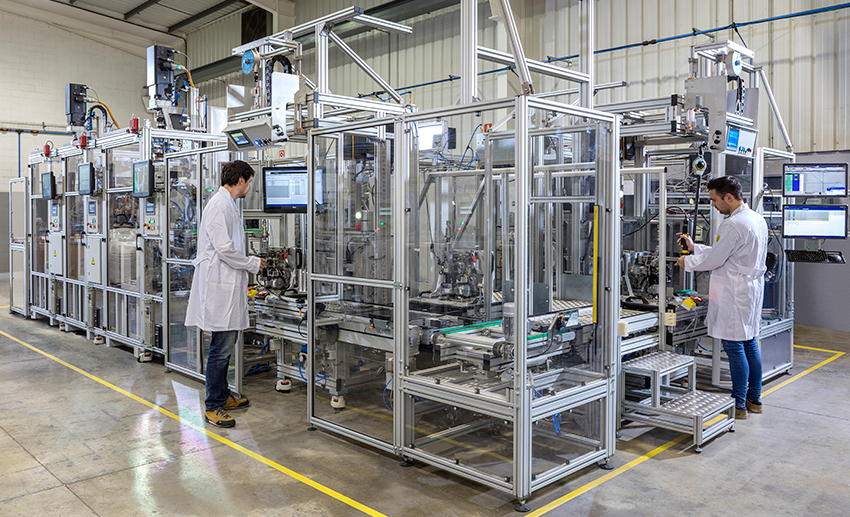
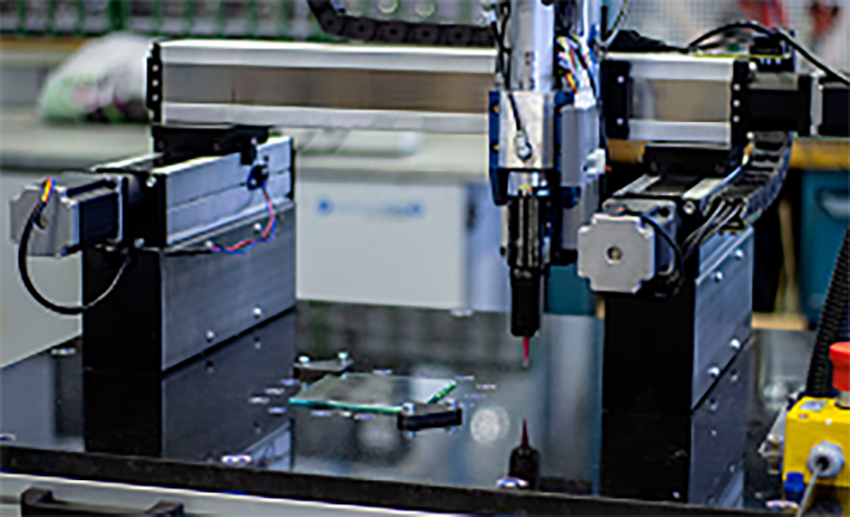
Example of a project developed by the MCIA UPC center: development of an intelligent industrial machinery monitoring platform with continuous learning capacity with the MAPRO company
With the BASE3D group, four specific projects dedicated to different additive manufacturing processes will be promoted
Sector
You want to know more?


Related Projects
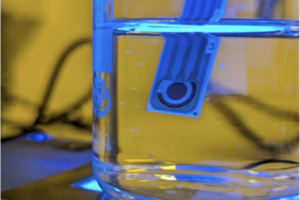
- The MICROTECH LAB - Microtechnology for the Industry research subgroup, part of the Centre for Advanced Technologies in Mechanics (CATMech) at the Universitat Politècnica de Catalunya - BarcelonaTech (UPC), is leading the technical development of a minimally invasive platform to monitor biomarkers and physiological indicators related to stress and emotional wellbeing.
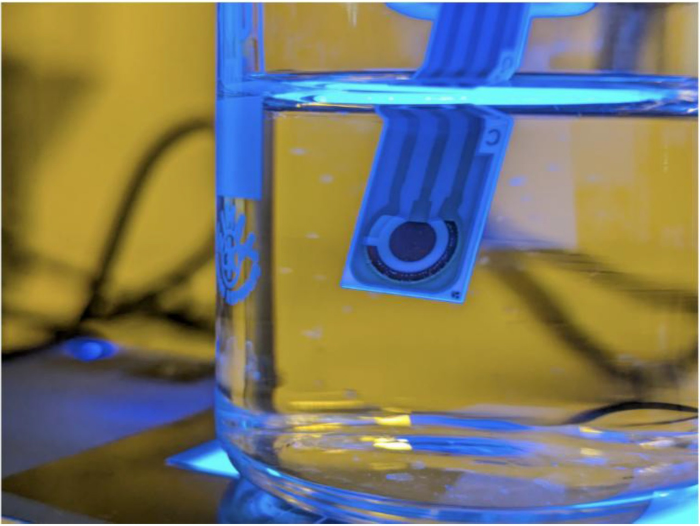
- A research team from the Universitat Politècnica de Catalunya - BarcelonaTech (UPC) has participated in the M3LEC project, coordinated by the Centro de Astrobiología (CAB), a joint centre of the Spanish National Research Council (CSIC) and the Instituto Nacional de Técnica Aeroespacial (INTA), with the Universidad de Sevilla (US) / Instituto de Microelectrónica de Sevilla (IMSE) also participating. M3LEC aimed to contribute to the characterisation of the Martian atmosphere and meteorology, and to investigate new instrumentation for future planetary exploration missions.
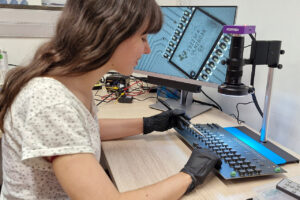
- A team from the Matrix Analysis and Discrete Potential Theory (MAPTHE) research group at the Universitat Politècnica de Catalunya - BarcelonaTech (UPC), and the Department of Mathematics at CUNEF Universidad in Madrid, have participated in the development of MARIA, a prototype of a portable, flexible and radiation-free device designed to improve the early detection of breast cancer. The device can identify tumours through electrical conductivity, with the aim of enabling its future use in primary care settings.
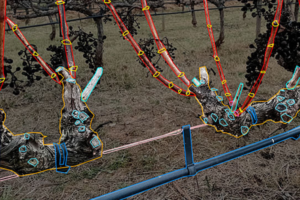
- The Center for Industrial Equipment Design (CDEI-UPC) at the Universitat Politècnica de Catalunya - BarcelonaTech (UPC) is participating in a cross-border project aimed at promoting the use of advanced digital technologies in viticulture in regions on both sides of the Pyrenees. The initiative seeks to improve specialist training, technical advice and decision-making in vineyard management.