


Hyperlieux Mobiles: a new concept in connected mobility for urban and regional development
February 1, 2020
New optical technologies for the needs of 5G applications
February 1, 202001/02/2020
The Communication Circuits and Systems Research Group (CIRCUIT) has developed a radio receiver to meet the increasing need to establish radiofrequency (RF) wireless data links that are low cost and have very low energy consumption. The consumption of the architectures that have been developed could reach values that are up to five times lower (or more) than standard superheterodyne architectures.


The new paradigm of sensor networks includes wireless connectivity between a potentially very high number of nodes and with extremely strict limits of available energy. In various situations, such as the use of wearables devices, certain medical applications that require numerous sensors distributed around the body, RF-ID identification, or the use of distributed sensors in smart cities, the consumption and cost can be reduced by intrinsically simple architectures such as that developed.
The results of this project have led to a patent.
Technology
Topic
You want to know more?
Related Projects
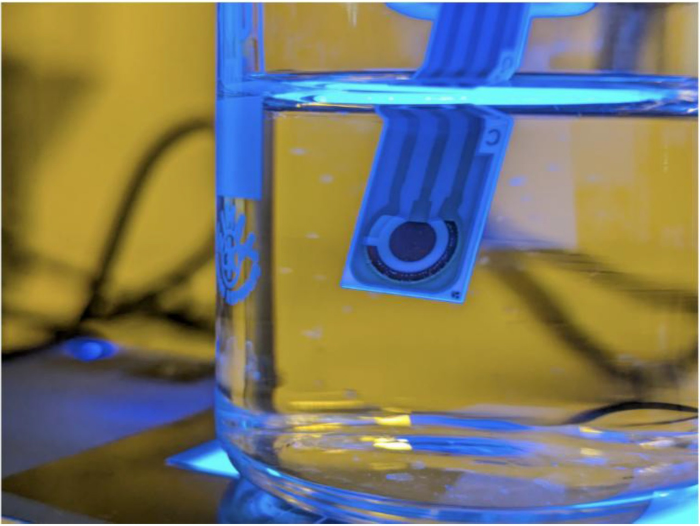
- The MICROTECH LAB - Microtechnology for the Industry research subgroup, part of the Centre for Advanced Technologies in Mechanics (CATMech) at the Universitat Politècnica de Catalunya - BarcelonaTech (UPC), is leading the technical development of a minimally invasive platform to monitor biomarkers and physiological indicators related to stress and emotional wellbeing.
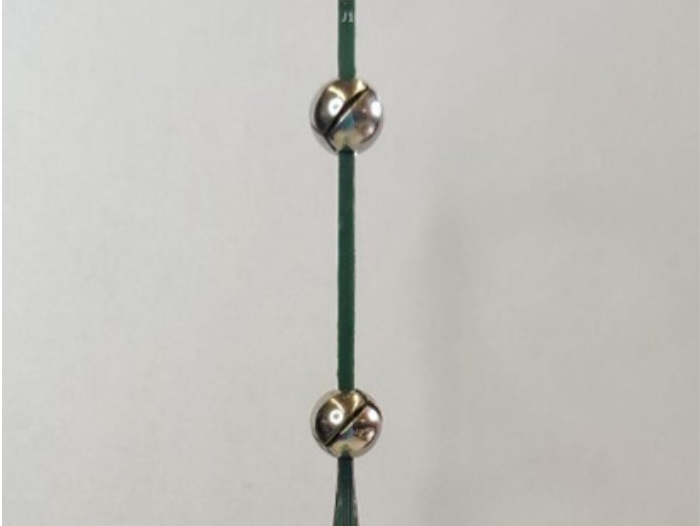
- A research team from the Universitat Politècnica de Catalunya - BarcelonaTech (UPC) has participated in the M3LEC project, coordinated by the Centro de Astrobiología (CAB), a joint centre of the Spanish National Research Council (CSIC) and the Instituto Nacional de Técnica Aeroespacial (INTA), with the Universidad de Sevilla (US) / Instituto de Microelectrónica de Sevilla (IMSE) also participating. M3LEC aimed to contribute to the characterisation of the Martian atmosphere and meteorology, and to investigate new instrumentation for future planetary exploration missions.
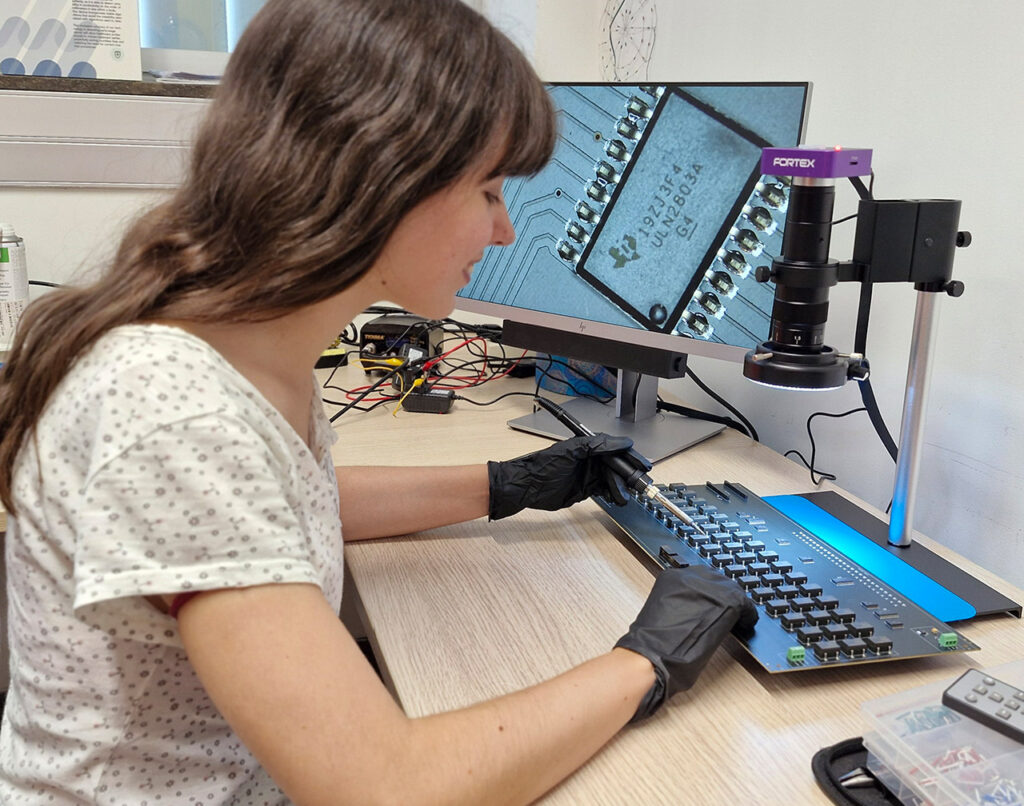
- A team from the Matrix Analysis and Discrete Potential Theory (MAPTHE) research group at the Universitat Politècnica de Catalunya - BarcelonaTech (UPC), and the Department of Mathematics at CUNEF Universidad in Madrid, have participated in the development of MARIA, a prototype of a portable, flexible and radiation-free device designed to improve the early detection of breast cancer. The device can identify tumours through electrical conductivity, with the aim of enabling its future use in primary care settings.
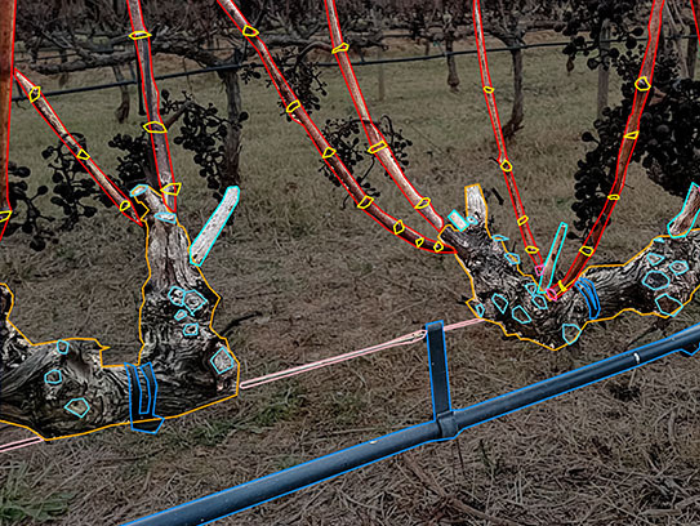
- The Center for Industrial Equipment Design (CDEI-UPC) at the Universitat Politècnica de Catalunya - BarcelonaTech (UPC) is participating in a cross-border project aimed at promoting the use of advanced digital technologies in viticulture in regions on both sides of the Pyrenees. The initiative seeks to improve specialist training, technical advice and decision-making in vineyard management.