

UPC will be present at Smart City Expo World Congress 2026
September 1, 2026
UPC presents innovative solutions for more sustainable and resilient cities at the Smart City Expo World Congress 2026
November 10, 2026UPC will be present at Smart City Expo World Congress 2026
September 1, 2026UPC presents innovative solutions for more sustainable and resilient cities at the Smart City Expo World Congress 2026
November 10, 202622/09/2026
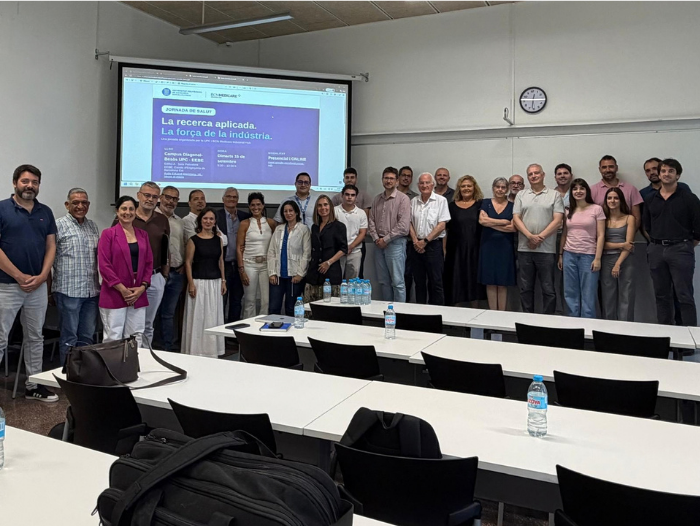
The Universitat Politècnica de Catalunya - BarcelonaTech (UPC), through CIT UPC, and the BCN Medicare Industrial Hub co-organised, on 15 September, the event "Applied research. The strength of industry", a meeting aimed at showcasing the UPC's projects and technological capabilities in the field of health and fostering new opportunities for collaboration between the university and the business community.
The event, held at the Barcelona East School of Engineering (EEBE) on the UPC's Diagonal-Besòs Campus, brought together researchers and representatives from companies in the health sector to explore the potential of the University's most market-ready technologies and their applications.
The event began with a welcome from the director of the EEBE, Antonio Travieso, followed by an intervention from Maria del Mar Nicolás, representing the UPC's Centre for Innovation and Technology (CIT UPC), who presented the centre's work as a connector between companies and the University's research groups.
Next, Maria Espinosa presented the BCN Medicare Industrial Hub and gave way to the block of technological presentations.
Eleven research groups and centres present their technological capabilities in health.
One of the central themes of the day was the presentation of technological capabilities and projects by eleven research groups and centres from the UPC, which showcased their lines of work and applications in various areas of health:
- Ángeles Carmona, from the ‘Matrix Analysis and Discrete Potential Theory’ (MAPTHE) research group: Mathematical models and data analysis for medical diagnosis, particularly in the detection of breast cancer.
- Roberto Macovez, from the ‘Materials Characterisation’ (GCM) research group: materials characterisation, with applications in the study of the stability and crystallisation of pharmaceutical products.
- José Rodellar, from the Control, Data and Artificial Intelligence (CoDAlab) research group: artificial intelligence, data-driven control and diagnostics for the development of smart medical devices.
- Cristina Canal, from the Biomaterials, Biomechanics and Tissue Engineering Research Group (BBT) research group: biomaterials, implants and tissue engineering for applications in regenerative medicine.
- Luis J. del Valle, from the Synthetic Polymers: Structure and Properties. Biodegradable Polymers (PSEP) research group: biodegradable polymers and controlled drug delivery systems.
- Francesco Capuano, from the CoPhyBiM group: Multiscale simulations of biological flows applied to diagnostics and medical devices.
- Lexa Nescolarde, from the Electronic and Biomedical Instrumentation research groups (IEB / EPIC): Biomedical instrumentation, sensors and low-power electronics.
- Carles Mas, from IRIS: Interdisciplinary research in biomedical engineering.
- Jaume Castellà, from CD6: Photonics and optical engineering, with applications in sensors and imaging systems for medical diagnosis.
- Òscar Casas, from the Instrumentation, Sensors and Interfaces Group (ISI): Sensors, instrumentation and interfaces for digital health.
- Sergi Foix, from IRI: Robotics, computer vision and artificial intelligence for applications in assistive and surgical robotics.
The presentations showcased the diversity of the UPC's technological knowledge and capabilities, from artificial intelligence and data analysis to biomaterials, photonics, biomedical instrumentation and robotics.
The day concluded with a tour of the UPC Multiscale Centre, led by Professor Josep Lluís Tamarit.
This initiative highlights the potential of applied research to address the technological challenges of the health sector and the importance of strengthening the links between the university and industry.
In this context, CIT UPC works to bring the University's scientific and technological capabilities closer to the needs of businesses, facilitate knowledge transfer and promote the development of new R&D projects that contribute to innovation in the health sector.

Projectes Relacionats
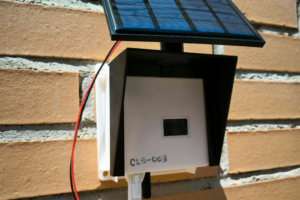
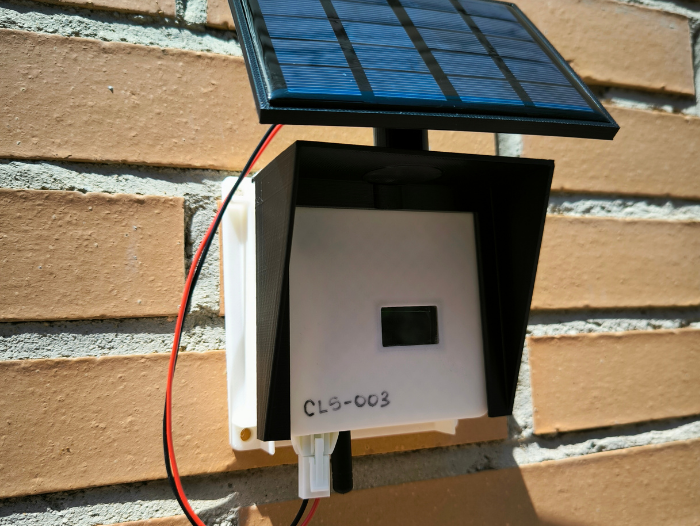
- The Communication Networks and Distributed Systems (CNDS) research group at the Universitat Politècnica de Catalunya - BarcelonaTech (UPC) is developing an innovative methodology that combines sensors, artificial intelligence and thermal imaging to identify differences in thermal comfort across urban spaces and support decision-making in response to heatwaves.
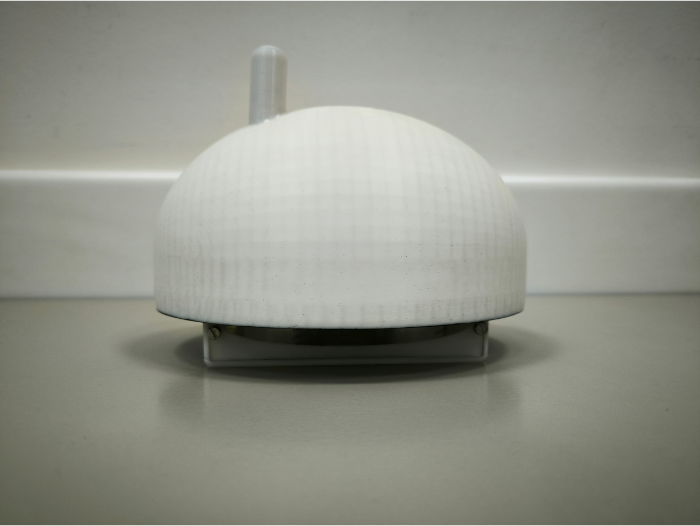
- Researchers from the Computer Networks and Distributed Systems (CNDS) research group at the Universitat Politècnica de Catalunya - BarcelonaTech (UPC) are developing new artificial intelligence-based solutions to obtain more accurate and reliable data from IoT sensor networks, with applications in air quality monitoring, anomaly detection and industrial predictive maintenance.
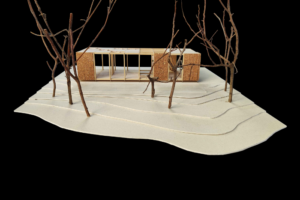
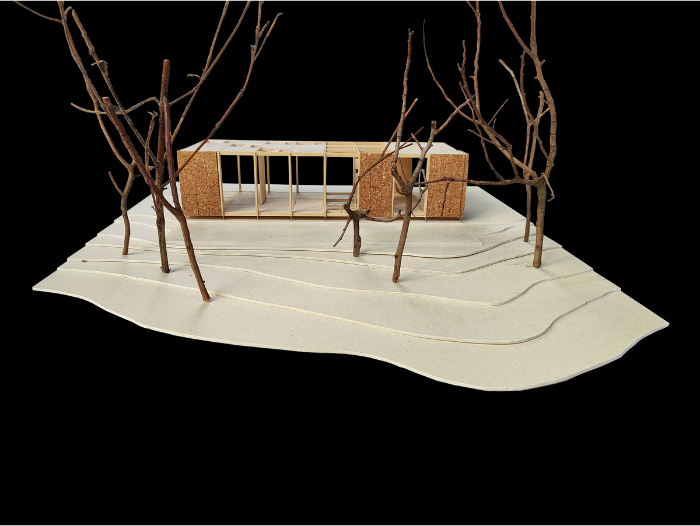
- The Casa Bosc project explores a lightweight, modular and prefabricated timber construction system designed to reduce the environmental impact of housing while making it easier to build and adapt to different contexts. The project has been developed by researchers from the Architectural Rehabilitation and Restoration Research Group (REARQ) at the Universitat Politècnica de Catalunya - BarcelonaTech (UPC) and the company ÀGORA.
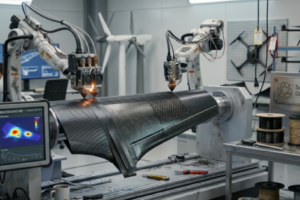
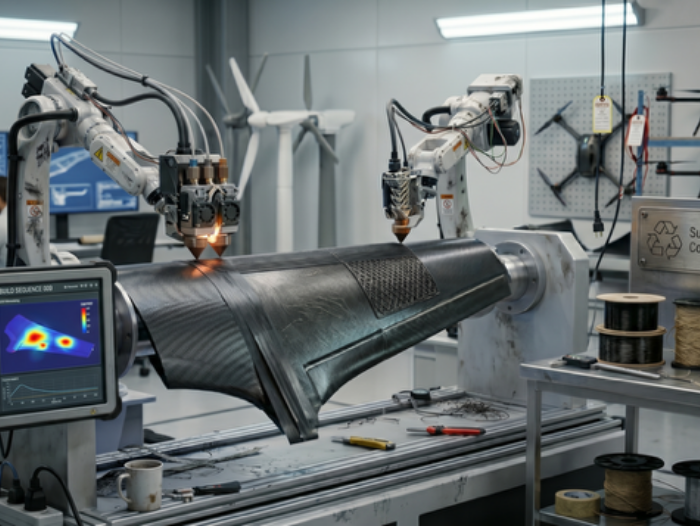
- The Control, Data and Artificial Intelligence (CoDAlab) research group at the Universitat Politècnica de Catalunya - BarcelonaTech (UPC) is taking part in the ATHENS project, which is developing recyclable thermoplastic composite materials with advanced real-time monitoring systems to improve the manufacture, safety and service life of lightweight structures.