
INTRODUCTION
The timber sector is evolving from a logic centred on raw material production towards a technological, circular and data-intensive value chain. This transformation is driven by three main vectors: the need for resilient forest management in the face of climate change, the expansion of the bioeconomy and renewable materials, and the growing demand for industrialised construction systems with a low carbon footprint. In parallel, digitalisation is penetrating all links in the value chain: remote sensing, AI, traceability, automated grading, BIM, advanced manufacturing and in-service monitoring.
In this context, timber is becoming positioned as a climate-oriented industrial platform: it provides stored biogenic carbon, enables new business flows associated with ecosystem services and is integrated into industrial models based on prefabrication, circularity and data, as well as becoming a high-performance technological material capable of replacing steel and concrete and acting as a carbon sink in buildings.
Catalonia has a very significant forest base —2,042,017 hectares of forest area and 1,123,757 hectares of woodland in 2023— but the challenge remains the sustainable mobilisation of the resource, the profitability of management and the industrial scaling of the transformation links. In this context, Catalonia already has instruments such as the Forest Climate Credits system (PROMACC) and a specific public strategy for forest biomass 2021–2027, which reinforces the bioeconomic and climate dimension of the sector.
AREAS
Forest
management
Forest management
Trends
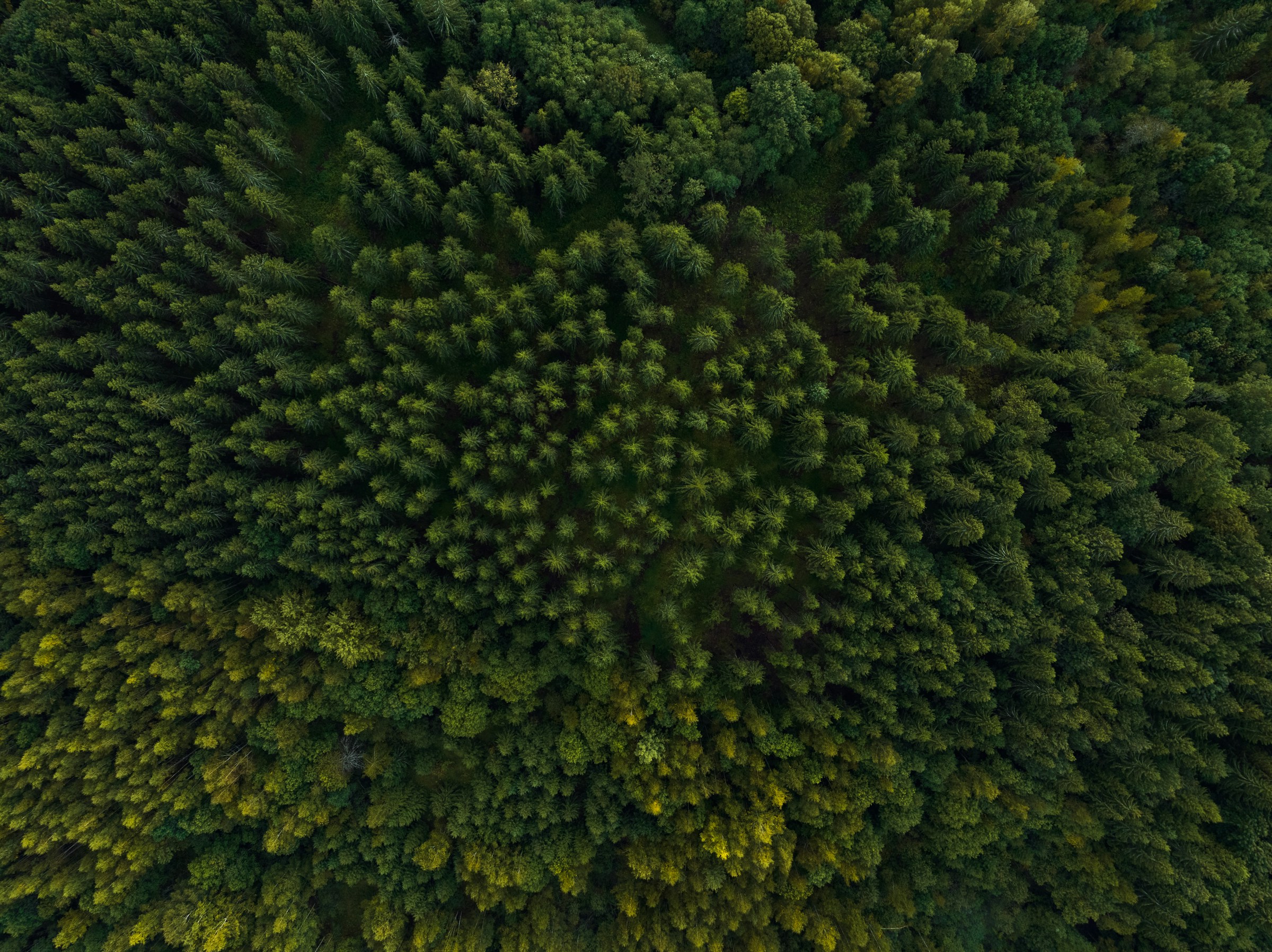
Forest management comprises the planning and administration of forests with the aim of guaranteeing sustainable timber production over time. It seeks not only economic returns, but also biodiversity conservation, soil protection and water regulation. Good management ensures the natural or planted regeneration of the forest and minimises risks such as fires or pests, thereby determining the quality and future availability of the forest resource.
The main activities include forest inventories and silvicultural planning, reforestation and natural regeneration, silvicultural treatments —such as thinning and pruning—, fire prevention and pest control, as well as forest certification and environmental control.
Forest management is evolving towards a data-based model, thanks to the incorporation of digital technologies that make it possible to observe, analyse and plan forests with greater precision.
This approach integrates remote sensing tools, aerial platforms, geographic information systems and advanced analytics to obtain continuous information on the state of forest ecosystems, biomass availability, environmental risks and the productive potential of the resource. Its application makes it possible to improve silvicultural planning, anticipate threats such as fires or pests, optimise harvesting operations and strengthen the verification of ecosystem services, such as carbon storage. The convergence of these technologies points towards future digital, integrated and predictive forest management systems, with a direct impact on the efficiency, resilience and sustainability of the sector, as well as on access to new business models linked to carbon footprint balance and environmental services.
The main technologies are:
Satellite remote sensing systems are one of the main sources of data for large-scale forest monitoring. Missions such as those in the Copernicus programme make it possible to obtain regular images that are useful for detecting changes in forest cover, assessing vegetation health or estimating biomass. This is a technology with a high level of maturity and a use that is already consolidated in forest and climate monitoring programmes. In the coming years, spatial and temporal resolution is expected to improve, together with greater integration with predictive models and continuous monitoring systems oriented towards forest policies and carbon markets.
LiDAR (Light Detection and Ranging) technology makes it possible to generate highly precise three-dimensional models of forest structure, including tree height, stand density and the volume of available timber. It is currently used on crewed aerial platforms (UAV) and is a key tool for advanced forest inventories. Its maturity level is high in research and professional applications, although cost may still limit its systematic use in some contexts. In the future, costs are expected to gradually decrease and the technology is expected to be combined more extensively with artificial intelligence tools to generate automated inventories updated almost in real time.
Drones have become established as a flexible tool for obtaining high-resolution data in specific forest areas. Equipped with multispectral cameras, thermal sensors or lightweight LiDAR, they can detect water stress, disease, storm damage or fire risks with great spatial precision. This is a technology at an intermediate-high maturity stage and is increasingly integrated with automated image analysis systems. In the coming years, more systematic use is expected in operational forest management, especially in inspection, regeneration monitoring and support for harvesting operations.
GIS integrate data from forest inventories, satellites, drones and field sensors to generate spatial models to support decision-making. They currently form the basis of many forest planning tools, as they make it possible to analyse management scenarios, plan silvicultural interventions and connect territorial information with the rest of the value chain. The expected evolution points towards more integrated digital platforms capable of connecting forest management, certification, territorial planning and carbon markets in shared environments.
AI and machine learning make it possible to analyse large volumes of forestry data and generate predictive models of growth, risks and ecological dynamics. They are currently applied mainly in pilot projects for the early detection of pests, the automated classification of species and wildfire prediction. Their potential is very high, although further validation under real operational conditions is still required. In the future, they are expected to be closely integrated with other technologies (satellites, drones, GIS) to create intelligent real-time monitoring systems.
Forest management
Technological capabilities
Felling and
forest utilisation
Felling and forest utilisation
Trends
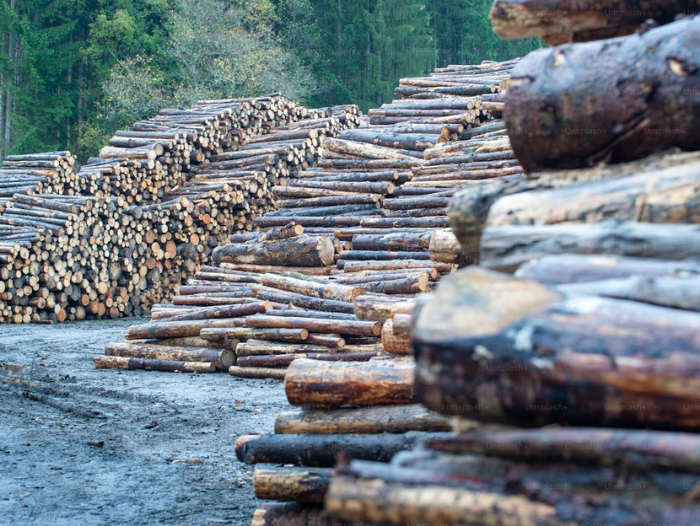
Felling and forest utilisation consist of extracting the trees selected according to management plans and carrying out their initial transformation into raw material ready for transport. This requires specialised machinery and technical criteria to optimise performance and reduce environmental impact, so efficiency at this point directly influences both costs and the quality of the final product.
The main activities include tree felling, delimbing and bucking, initial log grading, extraction through the creation of forest tracks, and volume measurement and control.
Logging is moving towards a more mechanised, connected and data-driven model. The incorporation of intelligent machinery and sensing systems makes it possible to optimise field work, improve safety and better adapt harvesting to the characteristics of each forest stand. In the coming years, this evolution may favour more automated operations and better integration between forest planning, on-site execution and resource quality information.
The main technologies are:
Harvesters are a central element of mechanised logging, as they make it possible to fell, delimb and section trees in a single operation. The incorporation of AI and advanced control systems makes it possible to optimise cuts according to the characteristics of each tree and maximise the value of the timber obtained. These technologies currently show an intermediate-high degree of maturity and are already used in advanced environments. In the coming years, greater automation of operations is expected, with semi-autonomous or autonomous systems capable of integrating forest planning and market data in real time.
Sensing applied to forestry equipment makes it possible to monitor in real time parameters such as the volume of processed timber, load weight, fuel consumption or machinery status. This information feeds telemetry systems (which collect, send and analyse data in real time) that improve operational management and facilitate predictive maintenance. Although these solutions are already available, their adoption is still uneven. In the future, a more widespread roll-out is expected, with full integration into digital forest management platforms and a closer connection with the supply chain.
One emerging line is the appearance of models based on digital services, such as Forestry as a Service (FaaS), which integrate machinery, data and operational services into connected platforms. This approach can facilitate access to advanced technology without requiring large investments by forest owners or companies, thereby promoting the scalability and professionalisation of the sector. It is still an incipient model, but one with growth potential in the coming years.
Felling and forest utilisation
Technological capabilities
Transport and
logistics

Transport and logistics
Trends
At this stage, timber is moved from the forest to processing centres. Logistics is key to ensuring economic efficiency, reducing emissions and ensuring that the resource reaches industry in suitable conditions. It also includes route organisation, load coordination and temporary storage, meaning that good logistics planning has a direct impact on the competitiveness of the whole value chain.
The main activities include loading and unloading logs, transport between forest and industry, route planning, traceability control and temporary storage.
The main technologies are:
Digital logistics planning tools make it possible to optimise timber transport from the forest to industry, taking into account factors such as terrain, the condition of forest tracks, vehicle availability or demand from destination plants. These solutions combine geographic information systems, optimisation algorithms and real-time data. In the coming years, cartography is expected to be integrated with vehicle telemetry and supply chain management platforms, enabling more dynamic and adaptive logistics.
Telemetry applied to forest transport vehicles makes it possible to monitor location, load, consumption and operating times, while digital traceability systems facilitate tracking of the resource from the point of extraction to the processing centre. These tools improve logistics coordination, reduce incidents and strengthen chain transparency. Their roll-out is expected to grow as the need to connect operations, sustainability and regulatory compliance increases.
Forest logistics is moving towards a digitalised, connected and data-driven model. The incorporation of telemetry, digital planning tools and real-time tracking systems makes it possible to optimise routes, reduce downtime and integrate field information with the rest of the supply chain.
Transport and logistics
Technological capabilities
Primary
processing

Primary processing
Trends
Primary processing is the first industrial stage of the value chain, in which logs are processed to obtain basic products such as sawn timber, wood chips or sawdust. At this stage, an initial significant increase in added value takes place and by-products are generated that feed other industries, such as paper or biomass. Technology and production efficiency are decisive in maximising the yield of each log and guaranteeing consistent quality.
The main activities therefore include sawing and log cutting, wood drying, grading by quality, production of wood chips and sawdust, and quality control.
Com a principals tecnologies destaquen:
Sawmills are evolving towards more digitalised production models, in which value depends not only on the physical processing of timber, but also on the ability to characterise its quality, optimise its yield and generate useful data for subsequent processes. The incorporation of advanced diagnostic technologies, artificial intelligence and process control makes it possible to reduce material variability, improve industrial efficiency and orient production towards higher added-value applications, especially in technical timber. This trend is moving towards plants capable of supplying timber with better-known and digitally verifiable properties, while maximising the valorisation of by-products.
Grading systems based on X-rays, machine vision and artificial intelligence algorithms make it possible to detect internal defects, estimate density and predict the mechanical behaviour of timber. These technologies are already applied in advanced industrial environments and show an intermediate-high degree of maturity, especially in structural grading and cut optimisation. In the coming years, more complete integration with digital production and certification systems is expected, which will facilitate the marketing of timber with greater structural certainty.
Smart drying combines humidity and temperature sensors with control systems that make it possible to adapt drying cycles to the characteristics of each batch of material, helping to reduce defects, stabilise quality and improve industrial performance. This technology is currently at an intermediate maturity stage; in the medium term it is expected to evolve towards processes that are more optimised by data and artificial intelligence, with near real-time adjustment capacity.
The digitalisation of sawmills not only improves the quality of the main product, but also facilitates more efficient management of secondary flows, such as sawdust, wood chips or waste intended for pellets or biomass. The trend points towards improved valorisation of by-products through optimised product segregation, quality control and integration with other bioeconomy value chains.
Primary processing
Technological capabilities
Secondary
processing
Secondary processing
Trends
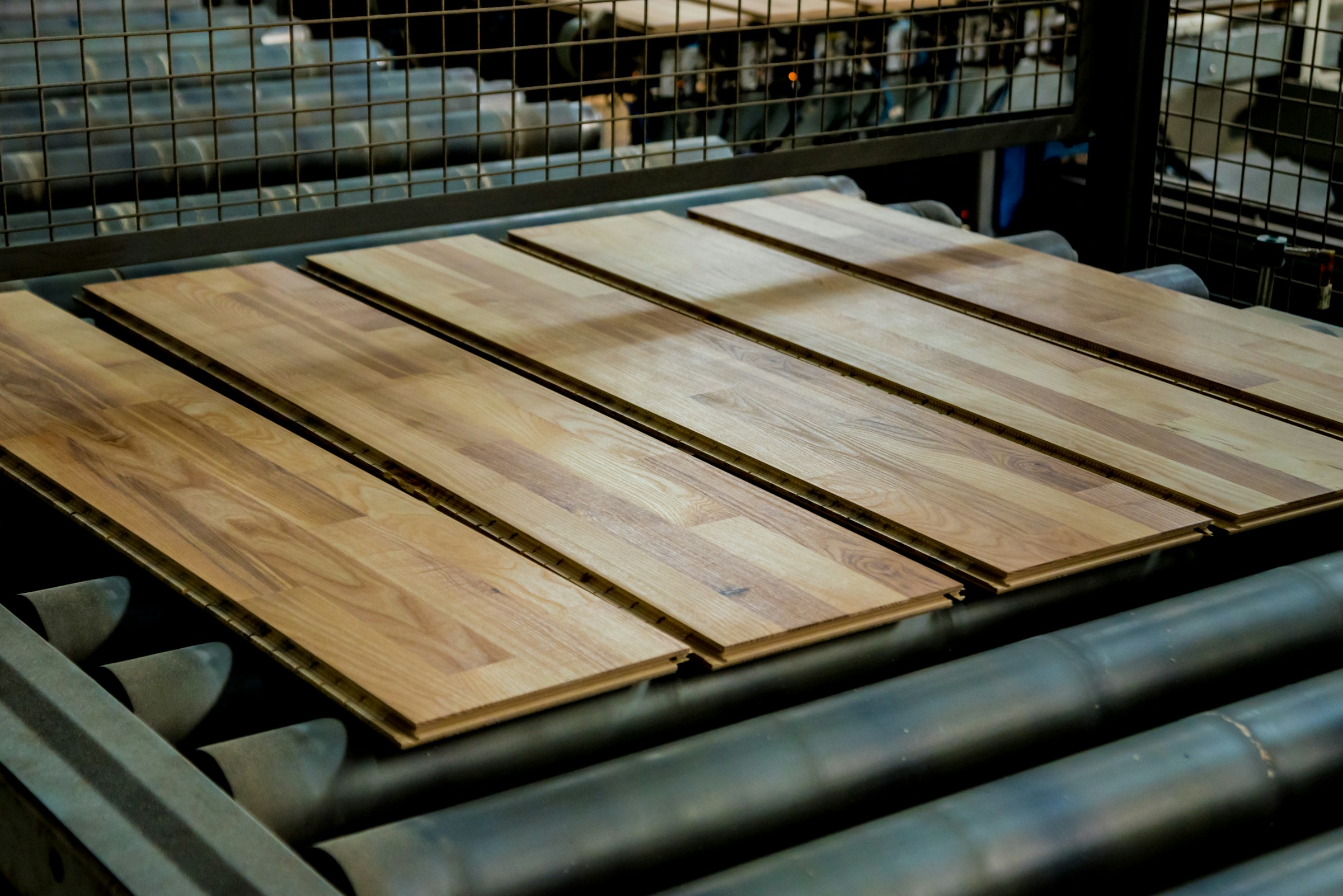
In this phase, processed products with greater economic and functional value are manufactured from timber and other forest fractions. It includes the production of construction materials, furniture and components, or derived products such as paper, pulp and paper production, technical boards and structural products, biomaterials and other products derived from lignocellulosic biomass, as well as the design and finishing phases. At this stage, innovation in design, quality and the ability to differentiate products are key factors of competitiveness.
The main technologies are:
Secondary timber processing is evolving towards an industrialised model, in which final products are designed and manufactured according to the logic of advanced manufacturing. This evolution combines engineered materials, digital design, flexible manufacturing and new durability treatments to broaden the uses of timber and reduce its environmental footprint. The result is a more precise, scalable offer oriented towards industrialised construction, advanced furniture and the materials bioeconomy.
Engineered wood products are industrially designed to improve the mechanical properties, stability and performance of conventional solid wood. This category includes CLT (Cross-Laminated Timber), a structural material made of layers of solid timber glued in crosswise directions, with high strength and dimensional stability, used in walls, floor slabs and multi-storey buildings; glued laminated timber (glulam), formed by laminations joined in parallel to obtain beams and large structural elements; and LVL (Laminated Veneer Lumber), manufactured with thin glued wood veneers and used in lightweight, high-precision structural components.
These products, together with technical boards such as MDF (Medium Density Fibreboard), made from very fine wood fibres mixed with resins and pressed), OSB (Oriented Strand Board), formed from large wood strands oriented in layers and pressed with adhesives) or plywood, form part of the set known as mass timber, which brings together structural timber solutions capable of replacing materials such as concrete or steel in construction applications. These solutions are already consolidated in several European markets and, in the coming years, expansion towards more complex applications and greater standardisation of construction and production systems is expected.
One emerging line in the field of technologies that improve already manufactured wood products —whether to bond them, protect them, extend their durability or monitor their behaviour— is the development of more sustainable adhesives based on wood derivatives. This includes both formaldehyde-free alternatives, some of which are already present in certain market segments, and new bio-based formulations. The latter, despite their potential to reduce environmental impact and improve the health profile of structural products, are still in the validation and scaling phase for the most demanding applications. In parallel, functional coatings, thermally modified wood, new fire-retardant treatments and monitoring sensors contribute to extending the durability and in-service control of wood products.
A relevant line within secondary transformation is the development of new bioproducts from the lignocellulosic fractions of wood. Pulp and paper production continues to be one of the principal industrial outputs, and evolves towards high value-added products and functional applications. In parallel, cellulose consolidates itself as a platform for the development of new biomaterials, whilst lignin is valorised as a resource for production of adhesives, resins and other bio-based chemical products. This approach responds to bioeconomy and cascading valorisation strategies, oriented towards maximising use of forest resources.
Although cork is a non-wood forest product, it is part of the Mediterranean forest value chains due to its industrial and technological relevance. Its extraction is based on the periodic stripping of the cork oak bark without cutting down the tree. From an industrial perspective, cork maintains well-established applications in stoppers and insulation, but its use has successfully expanded into flooring, coverings, composites, and other technical solutions for construction and industry. In this sense, cork is positioning itself as a functional material within the bioeconomy, thanks to properties such as lightness, elasticity, thermal resistance, and good behavior as an insulator. The trend points towards a greater diversification of applications, especially in materials for sustainable building and in high-value-added composite products.
BIM (Building Information Modelling), a methodology for the digital management of construction projects), parametric design, CNC manufacturing (Computer Numerical Control), a system in which automatic machines are controlled by a computer to cut, drill or machine materials with great precision), and robotic systems make it possible to integrate design, engineering and production into a single digital flow. This facilitates coordination between stakeholders, reduces execution errors and reinforces the industrialisation of both structural components and modules and final products. In the coming years, a closer connection is expected between digital model, manufacturing and assembly, as well as an expansion of modular and plug-and-play systems.
Secondary processing
Technological capabilities
Commercialisation and
distribution
Commercialisation and distribution
Trends
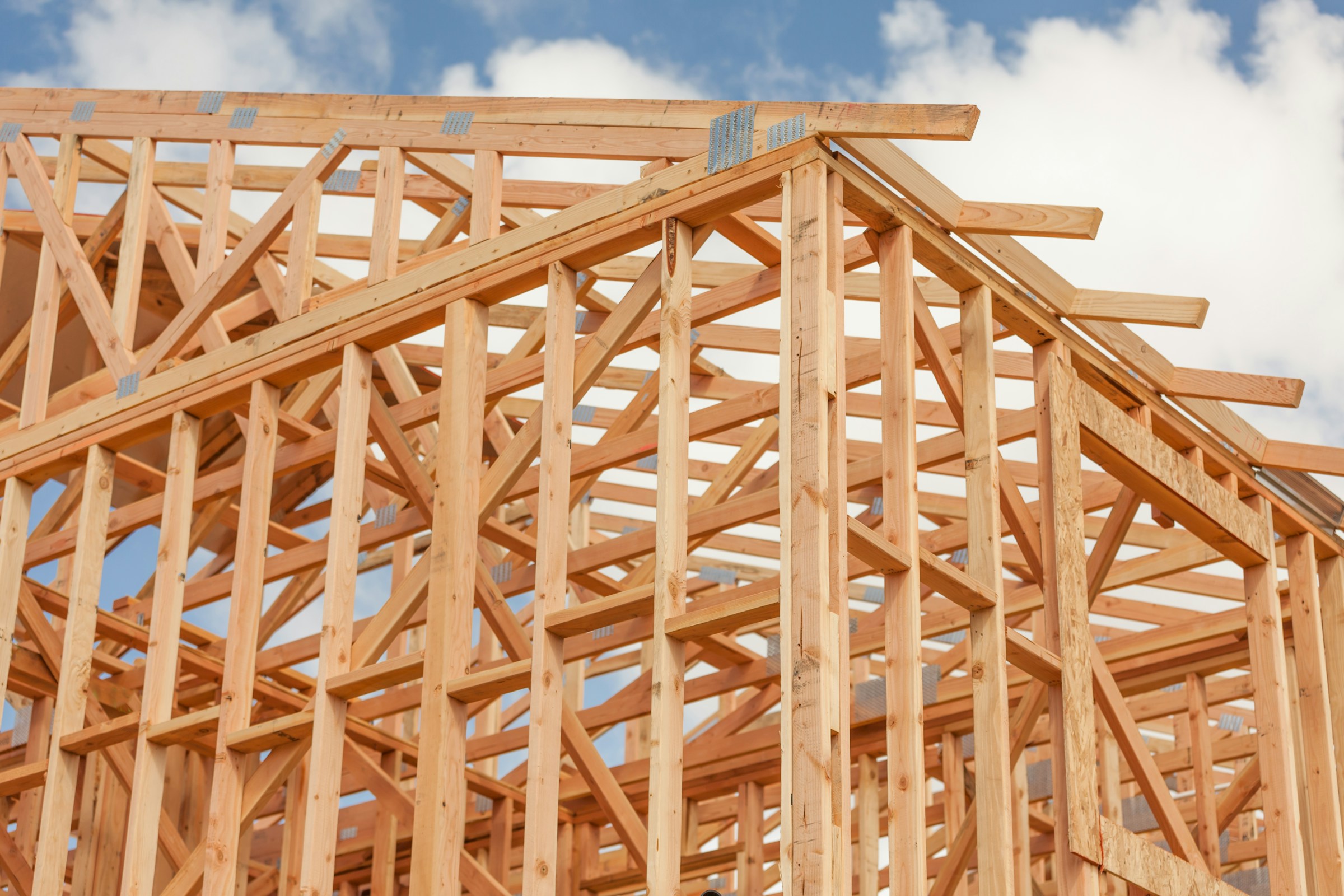
Commercialisation and distribution connect industry with the end customer or with other processing and construction companies. They include sales, marketing, export and commercial management processes, and the value of the product often depends on the brand, perceived quality, the ability to adapt to markets and the availability of reliable information on the material’s performance.
The main technologies are:
The commercialisation of wood products is undergoing a transformation towards digital, transparent and data-based models. This evolution responds to the need to improve traceability, facilitate the connection between supply and demand, and incorporate information on quality, sustainability and performance into products. It helps to reduce information asymmetries, increase confidence in the material and facilitate the integration of timber into sectors such as industrialised construction and the bioeconomy.
Digital B2B platforms make it possible to connect producers, distributors and end customers, facilitating the buying and selling of wood products more efficiently and transparently. These platforms can integrate information on availability, quality, certifications and prices in real time. They are currently in an emerging phase, but with progressive growth and potential for consolidation in more structured and internationalised markets.
Wood products are being integrated into digital catalogues compatible with BIM environments and other information systems, incorporating technical, environmental and performance data. In parallel, digital traceability makes it possible to follow the path of wood from the forest to the final product, strengthening market confidence and facilitating alignment with sustainability and certification requirements. In the coming years, greater standardisation and integration of these systems is expected.
Commercialisation and distribution
Technological capabilities
Recycling and
valorisation
Recycling and valorisation
Trends
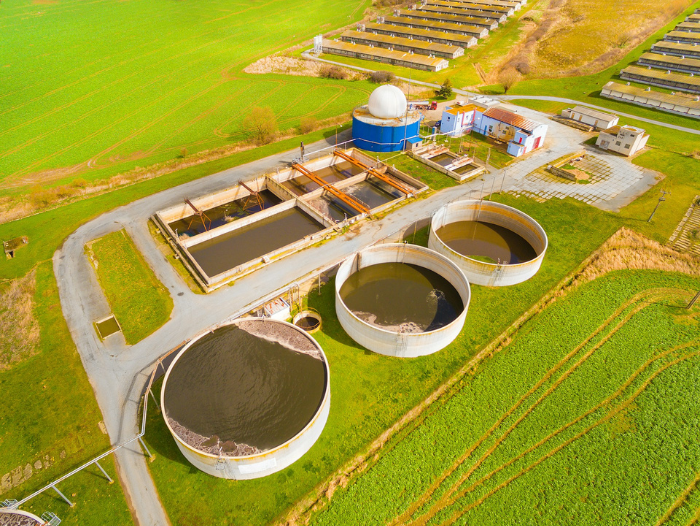
This is the final stage of the chain in a circular economy logic. Wood waste and products can be reused, recycled or reintroduced into other industrial processes; when this is no longer possible, they can be valorised for energy as biomass. This phase makes it possible to extend the life cycle of the resource, reduce waste and strengthen the connection between the forest chain, the materials industry and bioenergy.
The main activities include product reuse, recycling into new boards, biomass and pellet production, energy valorisation and industrial waste management.
The main technologies are:
Circularity is gaining weight as a strategic axis of the forestry and timber sector. In this area, innovation focuses above all on improving the separation and classification of waste streams, component reuse, the incorporation of recovered wood into new products and the energy use of non-reusable fractions. This line represents a clear opportunity to increase resource-use efficiency and strengthen the forest bioeconomy, although scaling depends on the quality of the waste available, collection systems and coordination between industrial chains.
The reuse of products and the recycling of wood into new boards or materials make it possible to extend the useful life of the resource and reduce demand for virgin raw material. Circularity strategies in forest industries emphasise the need to maintain the value of the material for longer and to adapt processes and markets to facilitate its recovery and reintroduction.
When reuse or material recycling is not viable, energy valorisation of residual wood remains a relevant outlet within a circular bioeconomy, especially in the form of biomass and pellets. This line makes it possible to reduce waste and connect the timber chain with decarbonisation objectives and the substitution of fossil resources, although its role must be framed within use hierarchies that prioritise reuse and recycling first.
Recycling and valorisation
Technological capabilities
Projects





Related UPC facilities
Development of tooling, joints, auxiliary components or test benches for timber construction systems.
More informationSupport for the development and validation of precision forestry solutions, forest monitoring, data capture with airborne sensors, inspection of hard-to-access areas and connectivity of UAV platforms used in inventory or forest monitoring.
More informationChemical characterisation of biomass and plant materials, analysis of soils and waters associated with forest ecosystems and the environmental assessment of biomass utilisation and valorisation processes.
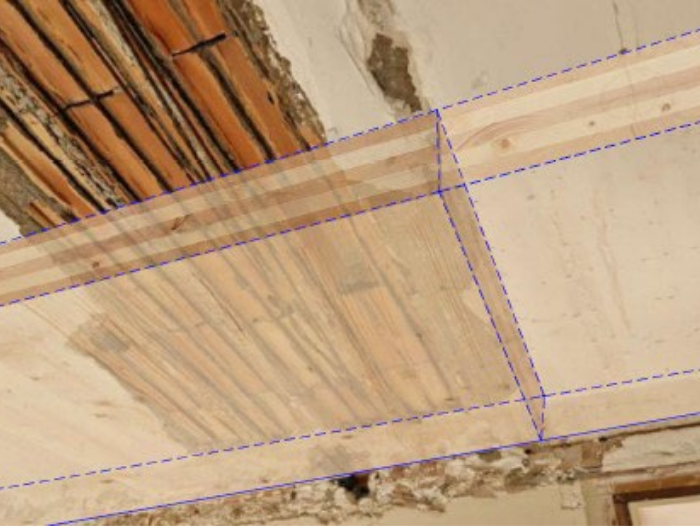
More informationStudies on the deterioration and pathologies of timber elements, as well as diagnostic methodologies for construction systems. Characterisation of the condition of timber components, study of hygrothermal problems. Support in rehabilitation and conservation projects for existing structures.
More informationDimensional and surface control of machined components, joints or digitally manufactured parts, especially in CNC processes and industrialisation.
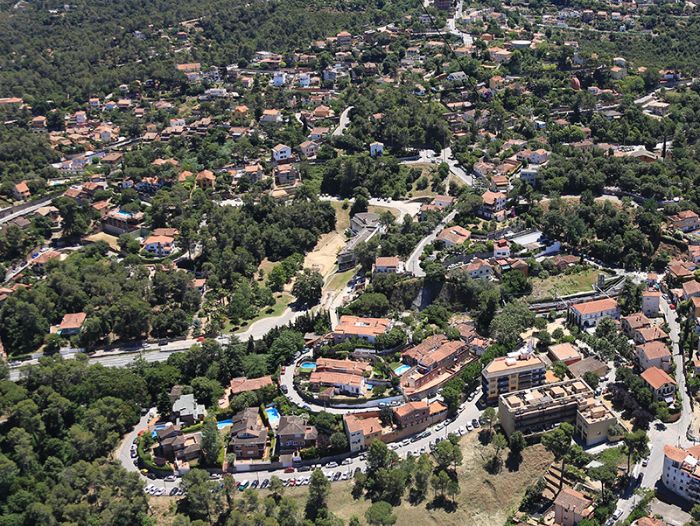
More informationStudies on fire propagation in porous fuels, combustion rates, flame temperature and emissivity and energy released, as well as the effectiveness of retardants, foaming agents and other extinguishing products. Assistance in fire prevention, fire behaviour modelling and protection of the urban-forest interface.
More informationReaction to fire of materials and computational simulation of fire propagation. Studies of the behaviour of timber products and construction systems when exposed to fire, development and validation of retardant treatments and improvement of the safety of timber solutions in building construction.
More informationSupport for the prototyping of components, joints and construction systems, experimentation with complex geometries and the connection between computational design and digital manufacturing. Capacity to produce non-standardised parts and construction systems.
More informationCapacity to characterise construction materials —including timber and composites—, perform large-scale structural tests and structural monitoring. It can support mechanical characterisation, validation of components and joints, testing of engineered timber systems and hybrid structures, durability and monitoring.
More informationThe physicochemical and microbiological analysis capabilities and the characterisation of organic matter can support the assessment of environmental impacts linked to forestry and transformation processes, as well as studies of waste, water, resource recovery or biomass valorisation processes.
More informationIt has universal testing machines, actuators and instrumentation for mechanical and non-destructive tests. These capabilities can be applied to the study of the mechanical behaviour of materials, components, joints or structural prototypes based on timber, especially when they need to be subjected to load or their performance validated experimentally.
More informationAdvanced capabilities in fracture, fatigue, failure analysis, micromechanics, microstructural characterisation, surfaces and interfaces. Analysis of interfaces, adhesions, coatings or hybrid components associated with new timber-based materials.
More informationSpecialised in geoinformation, digital cartography, terrestrial laser scanning, photogrammetry, 3D models and BIM. Capabilities for the digitisation of buildings and timber structures, surveying and geometric diagnosis, rehabilitation, BIM modelling and generation of twins or digital representations of the built heritage.
More informationNetwork of sensors dedicated to detecting, locating and analysing lightning activity in 3D, with real-time and historical data, mobile sensors, high-speed cameras and an instrumentable drone. Studies of electrical storms and lightning activity as a triggering factor for forest fires and integrating this information into risk and prevention systems.
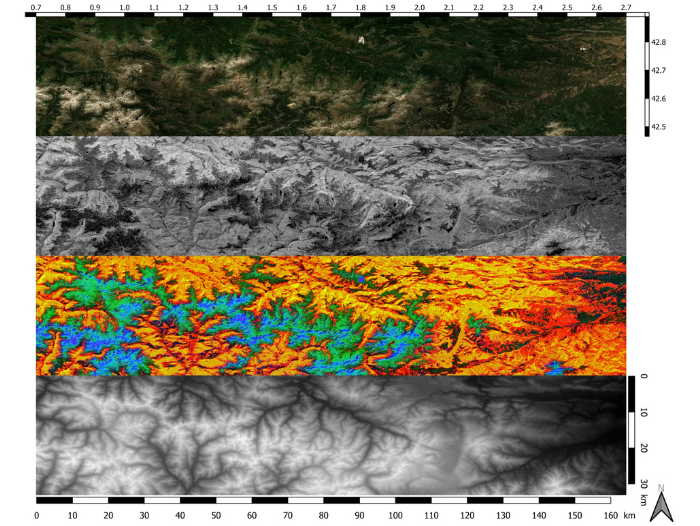
More informationIt has capabilities in cartography, photogrammetry and geoinformation. In the forestry field, it can contribute to the generation of forest cartography, terrain models, spatial inventories and territorial monitoring, complementing technologies such as drones, LiDAR and Earth observation used in precision forestry.
More informationSpecialised in the surveying and documentation of heritage buildings using 2D CAD, 3D models, orthophotos, photogrammetry and laser scanning, including surveys intended for structural analysis. Documentation, geometric diagnosis and intervention on existing timber structures and architectural heritage, as a basis for conservation, rehabilitation or reinforcement projects.
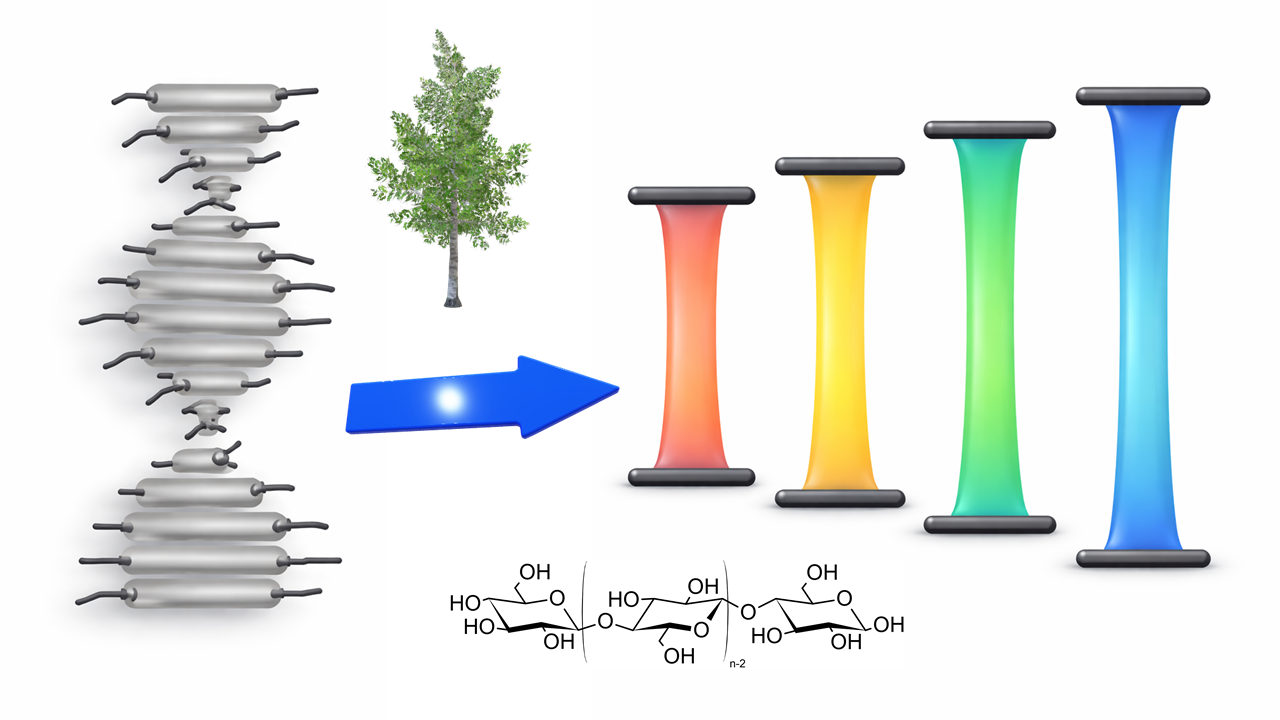
More informationSpecific laboratories for paper technology, physical testing of papers and cardboards, paper chemistry, graphic technology and instrumental analysis. Support for the development of cellulosic pulps, paper and cardboard, fibre characterisation, new cellulosic biomaterials and bioproducts derived from biomass.
More information