

RE-STEEL: An efficient and sustainable methodology for assessing the rehabilitation of steel structures
March 19, 2026
CASANDRA: Data flows in the supply chain integrating intelligent, decentralised control systems for the manufacture of large-size parts
April 10, 202630/03/2026
The Materials Interfaces and Colloid Engineering group (INTERCOLL) at the Universitat Politècnica de Catalunya - BarcelonaTech (UPC), in collaboration with the Life Cycle Thinking group at the University of the Basque Country (EHU), are taking part in the BIOCHOLESTEROID project to develop new bio-based smart materials with optical response for advanced applications.
The advanced materials industry faces the challenge of developing environmentally and economically sustainable solutions that maintain or improve the performance of conventional materials. In fields such as optics, sensing and functional coatings, there is growing demand for materials capable of responding to external stimuli through visible and controllable changes. However, many current solutions still rely on non-renewable raw materials.
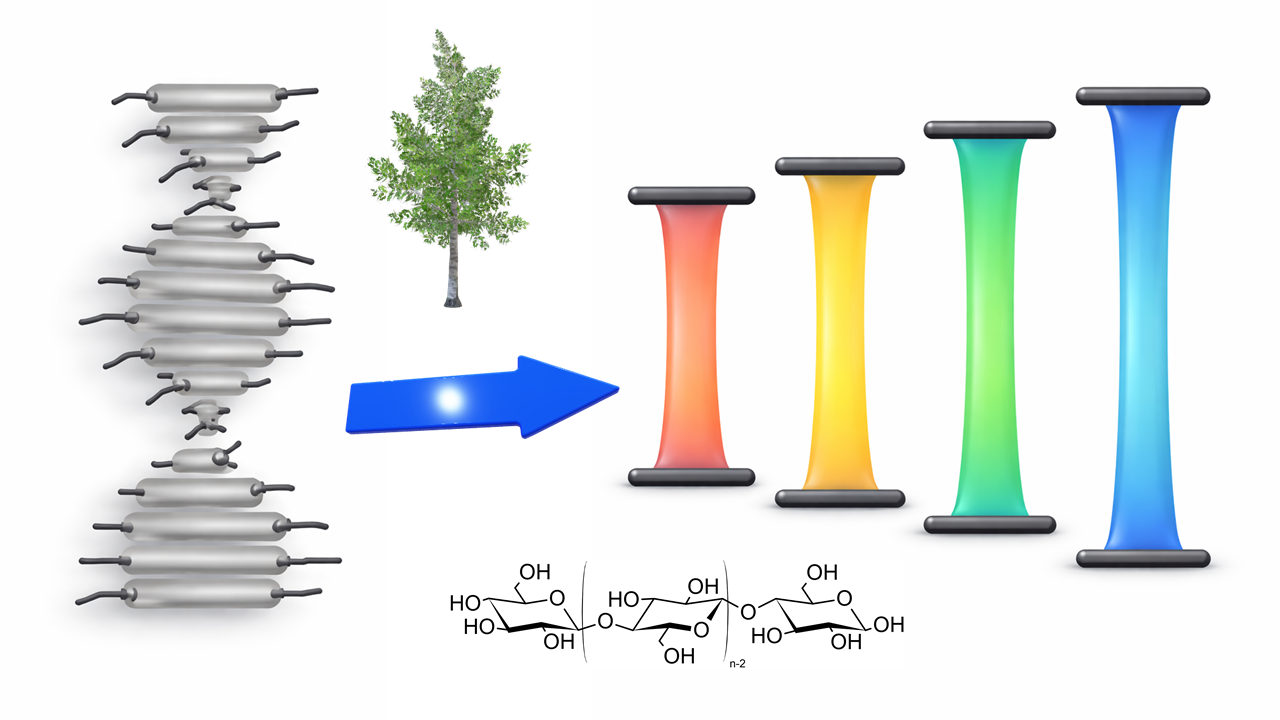
The BIOCHOLESTEROID project proposes the development of a new bio-based material with advanced optical properties, capable of interacting with light in a controlled way without the need for dyes or pigments. More specifically, the project focuses on the creation of cholesteric colloidal liquid crystal elastomers (CLCEs), a new class of materials that generate colour naturally thanks to their internal helicoidal architecture, which selectively reflects light.
These materials combine, within a single system, the optical properties of cholesteric liquid crystals with the mechanical properties of elastomers, that is, flexible and deformable materials similar to rubber. The result is a functional material that retains its elasticity while also exhibiting stable structural colour.
The project’s main innovation lies in the development of a flexible, sustainable material with advanced functionalities, obtained from naturally derived particles. In particular, BIOCHOLESTEROID explores the use of cellulose nanocrystals (CNCs) and bio-based elastomers to produce robust materials with enhanced mechanical performance and precise self-assembly. These materials not only display colour without the addition of non-biodegradable or toxic dyes or pigments, but are also able to modify it in response to external stimuli such as deformation, pressure or temperature.
This capability, known as a mechanochromic response, opens the door to applications in areas such as sensing, advanced optics and smart surfaces. In addition, the integration of colloidal and elastomeric properties within the same material represents an advance over conventional solutions, enabling the formation of Bouligand-like structures that provide enhanced hardening and reinforcement mechanisms, similar to those found in high-strength biological tissues. The resulting materials have potential applications in sensing, anti-counterfeiting and load-bearing functions.
INTERCOLL at UPC contributes its expertise in the design of advanced materials based on cellulosic fibres and in controlling the self-assembly of colloidal systems, thereby supporting the development of solutions with strong potential for transfer to industry. The Life Cycle Thinking group at EHU contributes its expertise in the development of natural materials with multiple functionalities that are also environmentally friendly, through the implementation of life cycle assessment and ecodesign.
Budget and funding
The BIOCHOLESTEROID project has a budget of €151,250 and is funded through the State Plan for Scientific, Technical and Innovation Research 2024–2027, under the Knowledge Generation Projects call. It started in September 2025 and will run until 2028.
Technology
You want to know more?
Related Projects
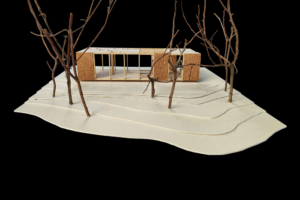
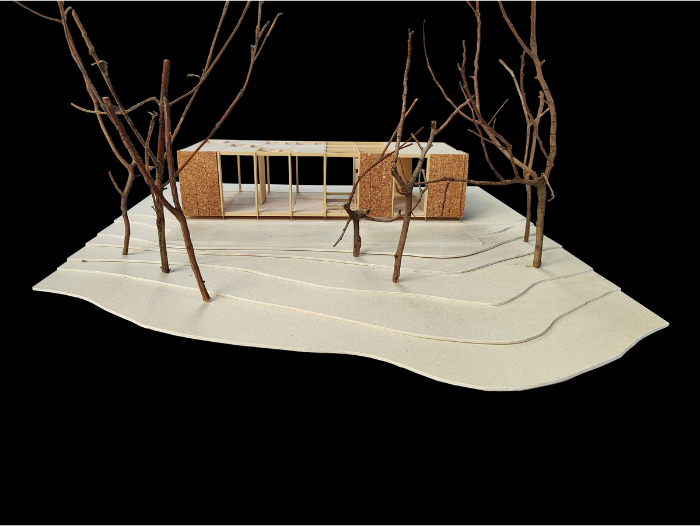
- The Casa Bosc project explores a lightweight, modular and prefabricated timber construction system designed to reduce the environmental impact of housing while making it easier to build and adapt to different contexts. The project has been developed by researchers from the Architectural Rehabilitation and Restoration Research Group (REARQ) at the Universitat Politècnica de Catalunya - BarcelonaTech (UPC) and the company ÀGORA.
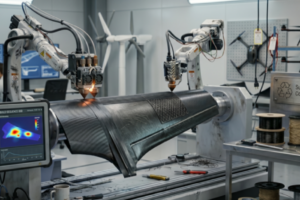
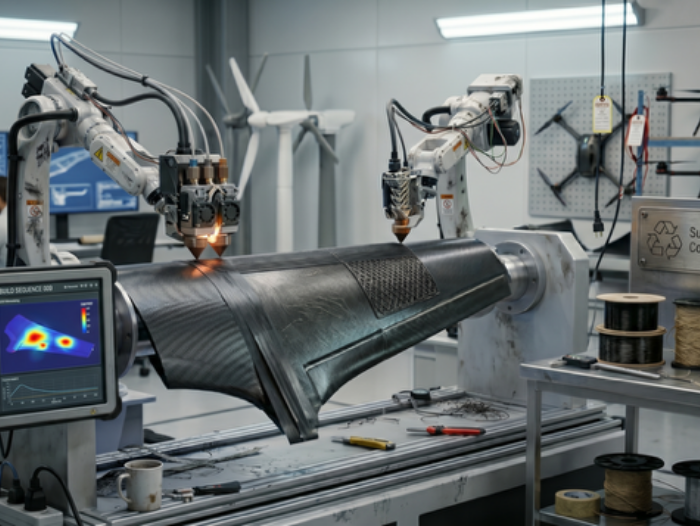
- The Control, Data and Artificial Intelligence (CoDAlab) research group at the Universitat Politècnica de Catalunya - BarcelonaTech (UPC) is taking part in the ATHENS project, which is developing recyclable thermoplastic composite materials with advanced real-time monitoring systems to improve the manufacture, safety and service life of lightweight structures.
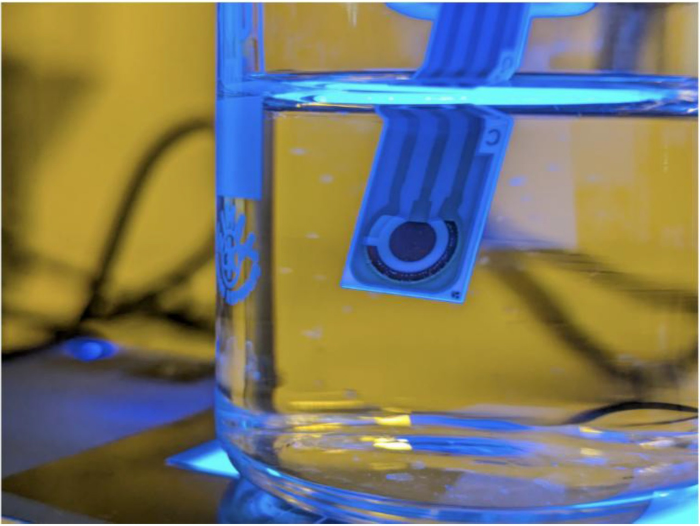
- The MICROTECH LAB - Microtechnology for the Industry research subgroup, part of the Centre for Advanced Technologies in Mechanics (CATMech) at the Universitat Politècnica de Catalunya - BarcelonaTech (UPC), is leading the technical development of a minimally invasive platform to monitor biomarkers and physiological indicators related to stress and emotional wellbeing.
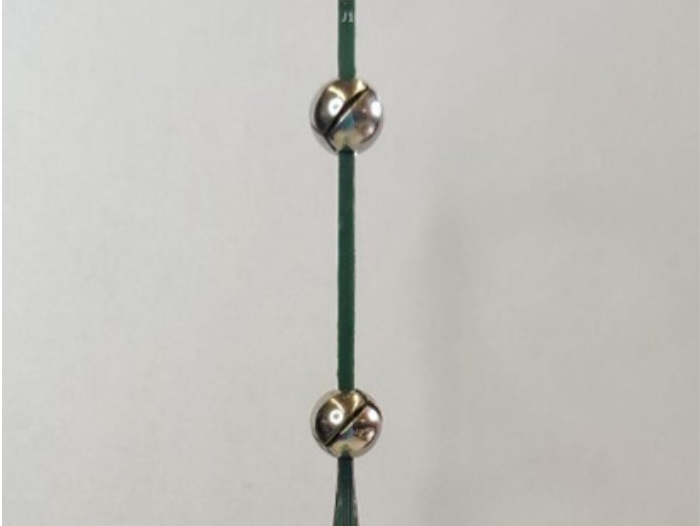
- A research team from the Universitat Politècnica de Catalunya - BarcelonaTech (UPC) has participated in the M3LEC project, coordinated by the Centro de Astrobiología (CAB), a joint centre of the Spanish National Research Council (CSIC) and the Instituto Nacional de Técnica Aeroespacial (INTA), with the Universidad de Sevilla (US) / Instituto de Microelectrónica de Sevilla (IMSE) also participating. M3LEC aimed to contribute to the characterisation of the Martian atmosphere and meteorology, and to investigate new instrumentation for future planetary exploration missions.