

The UPC will be present at the 2025 edition of MWC Barcelona
December 13, 2024
CIT UPC participates in the MAV Day 2024 as a cluster member
February 3, 2025The UPC will be present at the 2025 edition of MWC Barcelona
December 13, 2024CIT UPC participates in the MAV Day 2024 as a cluster member
February 3, 202519/12/2024
An urban agriculture greenhouse connected to classroom 3.07 and an office at ESEIAAT absorbs CO₂ from these spaces and, through photosynthesis, transforms it into oxygen. This clean air is then recirculated back into the classroom, provided conditions are suitable. This is how the Air Quality & Green Infrastructure Living Lab (Airgilab) works—the first living lab that regenerates building air using agricultural crops. It has been developed by the Construction Research and Innovation Group (GRIC) at UPC.
In classroom 3.07 of the TR5 building at the School of Industrial, Aerospace and Audiovisual Engineering of Terrassa (ESEIAAT) of the Universitat Politècnica de Catalunya - BarcelonaTech (UPC), the 80 students attending classes breathe high-quality air thanks to the Air Quality & Green Infrastructure Living Lab (Airgilab). This innovative scientific infrastructure has been built as part of the MOVE4EDU and BINAFET projects, involving the GRIC research group from UPC and SOSTENIPRA from the Universitat Autònoma de Barcelona (UAB).
It is considered the first living lab to integrate urban agriculture within a building to improve air quality. It provides excellent environmental comfort while also reducing ventilation system costs. Adopting this system would enable energy savings in buildings and generate additional benefits from managing the greenhouse, helping to make the implementation of ventilation systems more viable.
Decarbonising buildings through photosynthesis
Airgilab utilises the photosynthesis of horticultural crops to capture carbon dioxide. The classroom and office at ESEIAAT are connected to a ventilation system that extracts CO₂ emissions from these spaces. This CO₂ is transported to a high-tech greenhouse built on the rooftop of the TR5 building, where horticultural plants (such as tomatoes, lettuces, beans, etc.) absorb the CO₂ and convert it into oxygen through photosynthesis. Subsequently, an evaluation is conducted to determine whether this purified air can be reinjected into the building’s interior spaces.
By integrating residual building emissions into agricultural processes, Airgilab contributes to decarbonisation and the ecological transition. In fact, it is considered the first intelligent living lab to integrate a greenhouse within a building’s ventilation system, as residual flows from subsystems are managed using predictive control and machine learning. The objective is to harness the building’s energy flows and CO₂ to enhance crop productivity. Research will also explore how the greenhouse could reduce the building’s ventilation demand by preheating the air or purifying polluted indoor air, among other aspects. Additionally, the installation will enable validation of the control models developed by the research group, as well as an exploration of synergies between buildings and greenhouses.
Furthermore, this laboratory is one of the first high-tech greenhouses integrated within a building’s ventilation and climate control systems. As a result, it serves as a demonstration space for both the scientific community and the public. Additionally, the data collected will be stored in a database available to the UPC community for the application of artificial intelligence tools.
Airgilab is the result of two joint research projects involving the GRIC group from UPC and SOSTENIPRA from UAB: MOVE4EDU and BINAFET. The first project investigates synergies between greenhouses and buildings to repurpose building emissions and improve crop productivity. The BINAFET project explores technical improvements for greenhouses, including the use of LED lighting and photovoltaic glass, as well as artificial intelligence tools to optimise system performance. These projects have been funded by the Spanish State Research Agency under the Ministry of Science and Innovation, Next Generation EU funds, and the Recovery, Transformation and Resilience Plan, with a total investment of €600,000 distributed between both research groups.
Airgilab is part of the AgroTech Specific Research Centre (CER) at UPC, which brings together the university’s research activities in the agri-food sector. Additionally, it is part of the X_AgriTech network, which focuses on knowledge transfer to the industry.


Related Projects
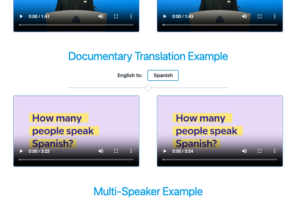
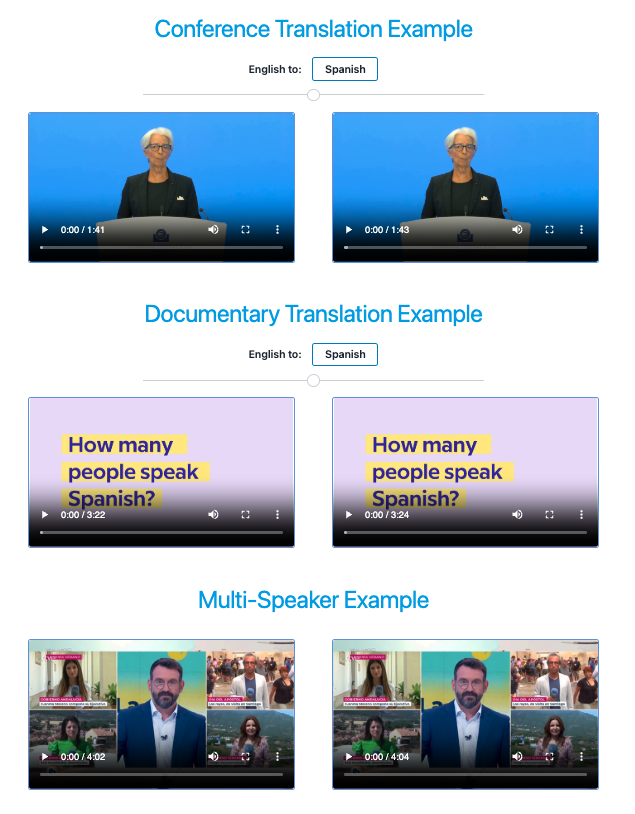
- The AgroTech research group at the Universitat Politècnica de Catalunya – BarcelonaTech (UPC), together with its spin-off Ugiat Technologies, have driven DoblAI, an AI platform that integrates transcription, translation, subtitling and video dubbing into a single workflow. The solution, which uses deep learning technology and cloned or default voice models, is specifically designed for the journalism and communications sector.
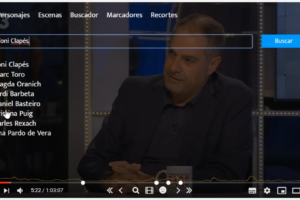
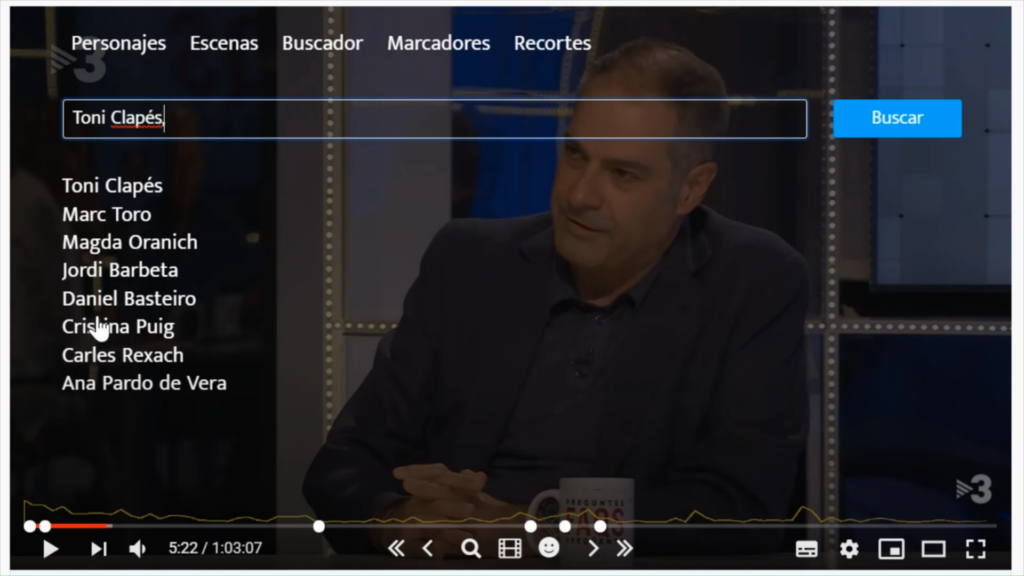
- The AgroTech research group at UPC, in collaboration with its spin-off Ugiat Technologies, has developed uPlayer, a new multimedia player concept that enables more intuitive video navigation and viewing, intelligently enhancing the user experience, especially on YouTube and other platforms, by integrating as a plugin or advanced player.
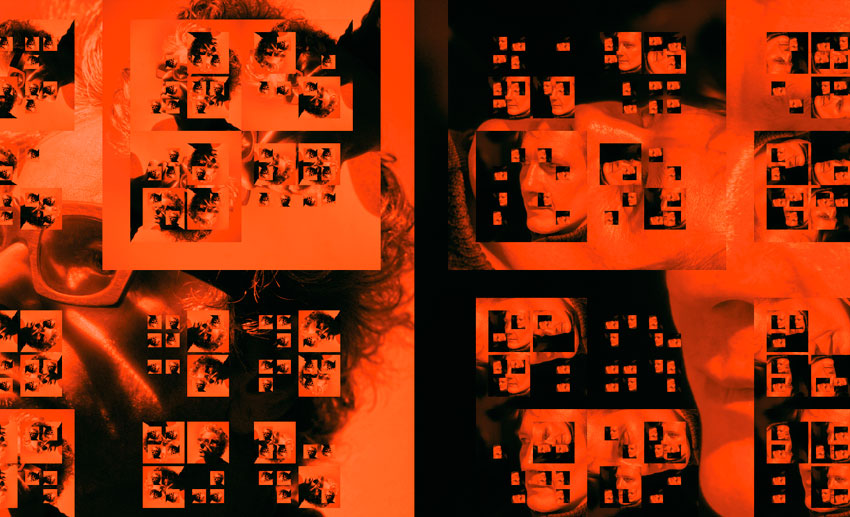
- The Image and Video Processing Group (GPI), part of the IDEAI-UPC research group, and the Digital Culture and Creative Technologies Research Group (DiCode) from the Image Processing and Multimedia Technology Center (CITM) at the Universitat Politècnica de Catalunya – BarcelonaTech (UPC), have co-organised the AI and Music Festival (S+T+ARTS) together with Sónar+D and Betevé, to explore the creative use of artificial intelligence in music.
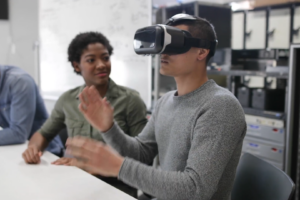
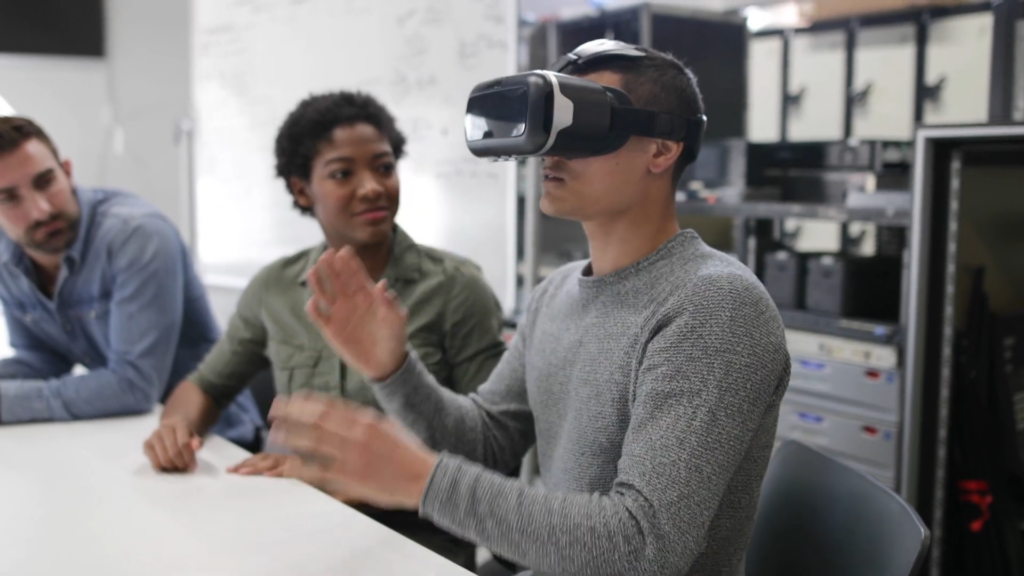
- The Visualisation, Virtual Reality and Graphic Interaction Research Group (ViRVIG) at the Universitat Politècnica de Catalunya - BarcelonaTech (UPC) has participated in the XR4ED project, an initiative that connects the educational technology (EdTech) and Extended Reality (XR) sectors, with the aim of transforming learning and training across Europe.