

SEAMPHONI: A Marine Digital Twin to Monitor Marine Biodiversity
July 4, 2025
iPROPEZESPADA: Innovation in Swordfish Fishing through AI-Based Biometric Measures
July 10, 202508/07/2025
The research groups River Dynamics and Hydrological Engineering (FLUMEN) and Construction Materials and Roads (MATCAR) at the Universitat Politècnica de Catalunya - BarcelonaTech (UPC), in collaboration with SORIGUÉ —a company with extensive experience in bituminous mixtures and the project leader— are developing BITSDRAIN.
BITSDRAIN aims to improve water management in urban environments. Its main goal is to analyse the performance of porous bituminous mixtures as sustainable drainage solutions. Additionally, the project aims to develop a free and open-access simulation tool, integrated into a two-dimensional modelling environment, to support the technical studies needed for their implementation.
Urban expansion has disrupted the natural hydrological cycle by limiting rainwater infiltration and evapotranspiration. As a result, surface runoff has increased, aquifer recharge has decreased, and flood risks have grown. This situation is worsened by climate change, which increases the frequency of intense rainfall events that traditional urban drainage systems are often unable to cope with.
In this context, Sustainable Urban Drainage Systems (SUDS) are gaining relevance, as they integrate nature-based solutions and permeable infrastructure, such as green roofs, infiltration trenches, or permeable pavements. The latter allow water to pass through their porous structure, mimicking natural drainage processes. This slows down the flow, enables temporary water storage, and helps flatten runoff hydrographs, contributing to more efficient water management in urban areas.
Permeable pavements also help improve water quality by promoting infiltration into underground layers. BITSDRAIN focuses specifically on porous bituminous mixtures, which are still rarely used in urban environments, despite their widespread application in road infrastructure to improve safety in wet conditions. Their incorporation in large urban areas —such as bike lanes or pedestrian zones— could support a more natural and resilient drainage model.
The project is based on the hypothesis that porous bituminous pavements can store water within their structure and convey part of the surface flow, reducing its velocity and increasing the time of concentration. This could help mitigate peak flows during storms, reduce flood risks, and ease the burden on sewer systems.
BITSDRAIN includes experimental tests using a scaled physical street model. The simulation tool developed will later be validated using a real case study, allowing the modelling of infiltration and transport processes within the pavement and serving as a basis for future technical recommendations.
The impact of the project will be twofold: technical and social. BITSDRAIN will provide a useful tool to quantify the effect of applying porous asphalts in urban areas and to assess their influence in reducing flood risk. Its implementation can represent a major step forward in sustainable urban planning, benefiting municipalities, engineering firms, public services, and society at large by contributing to the creation of safer, more resilient cities prepared to face the challenges of climate change.
Budget and Funding
The project has a total budget of €801,000, funded through the Spanish State Plan for Scientific and Technical Research and Innovation 2021–2023 (State Research Agency), and will run for 36 months (November 2023 – October 2026).


Sector
You want to know more?
Related Projects
SATE-VEG: A system for energy renovation of buildings that helps reduce the urban heat island effect
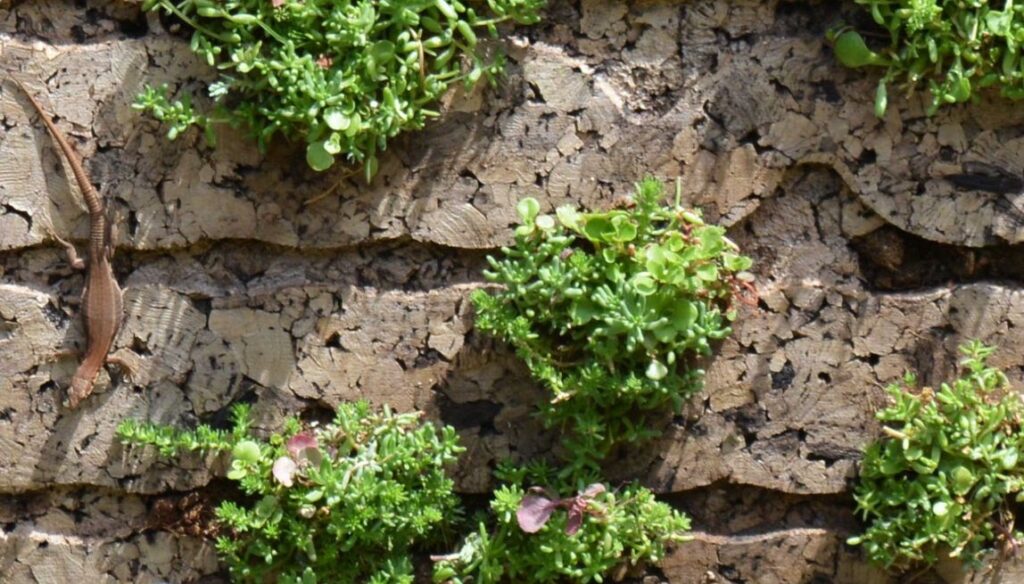
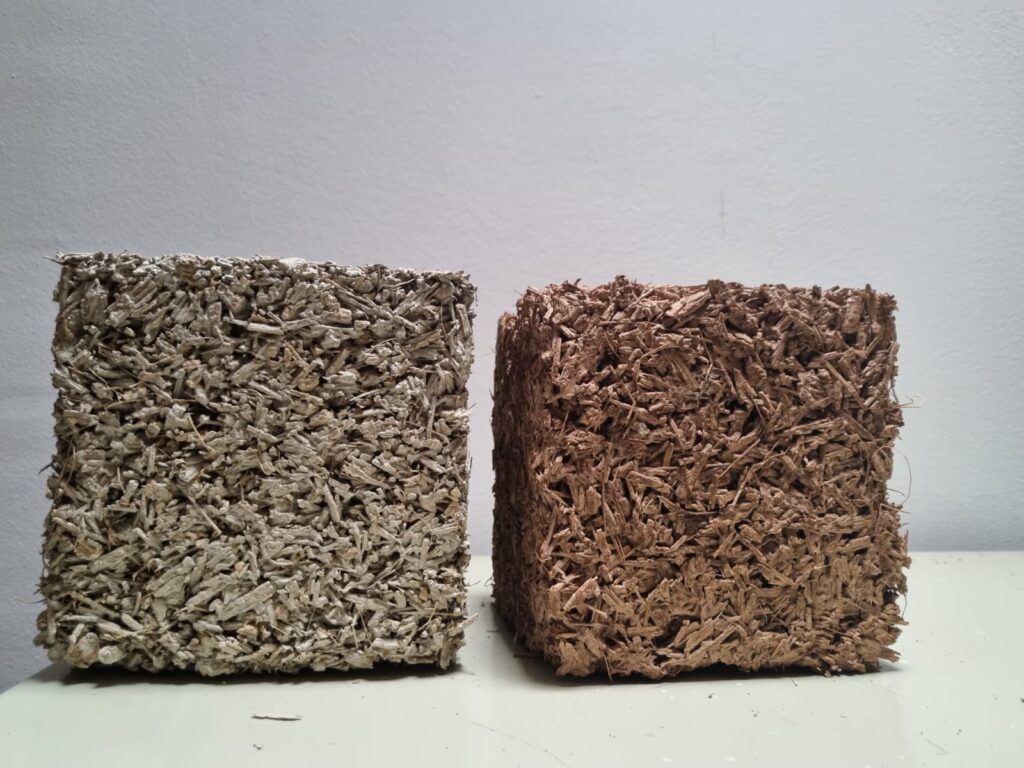
Researchers from the Architecture, Energy and Environment (AiEM) group at the Universitat Politècnica de Catalunya - BarcelonaTech (UPC) have developed SATE-VEG, an external thermal insulation system with a vegetal coating that offers seasonally adaptive thermal behaviour, enhances urban biodiversity and promotes positive health effects. The system is made from organic materials, requires low maintenance and consumes minimal water.- A research team from the Interdisciplinary Group on Building Science and Technology (GICITED) at the Universitat Politècnica de Catalunya – BarcelonaTech (UPC) is leading the BioSAFE project, which aims to develop sustainable building envelopes —mainly façades— designed according to sustainability, comfort and safety criteria, with particular attention to their acoustic behaviour and fire performance.
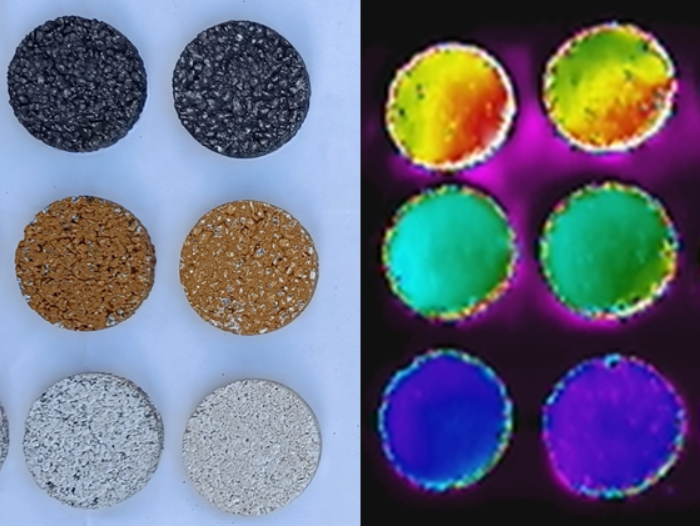
- The Construction Materials and Roads (MATCAR) research group at the Universitat Politècnica de Catalunya - BarcelonaTech (UPC) has carried out the RELUM project with the aim of researching and developing innovative solutions to help prevent global warming, through the design of sustainable pavements with reflective and photoluminescent properties, in collaboration with the company Sorigué.
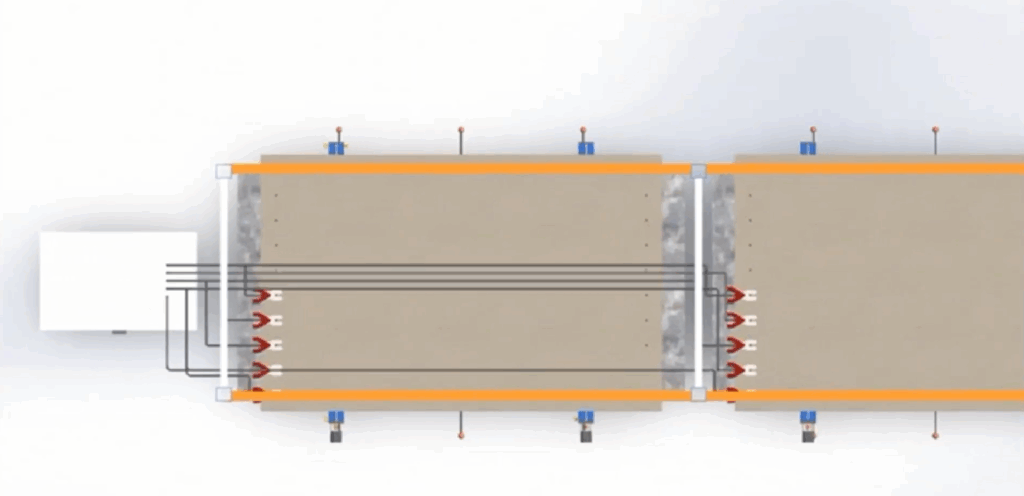
- The Structural and Materials Technology (ATEM) research group at the Universitat Politècnica de Catalunya - BarcelonaTech (UPC) is participating, in collaboration with the Universitat de les Illes Balears (UIB), in the ReINfoRCed project, which aims to promote the extension of the service life of reinforced concrete structures affected by corrosion.