

UPC Technological Innovation Stands Out at MWC Barcelona 2025
March 7, 2025
UPC Technology at Foro Transfiere 2025
March 19, 2025UPC Technological Innovation Stands Out at MWC Barcelona 2025
March 7, 2025UPC Technology at Foro Transfiere 2025
March 19, 202514/03/2025
The UPC and the Medical Emergency System (SEM) signed a collaboration agreement on 12 March to develop a technological platform that will help coordinate drone operations within Catalonia's airspace. The agreement also includes other joint research and technological innovation projects in the field of medical emergencies.
The agreement was formalised by the Rector of the UPC, Daniel Crespo, and the Director of SEM, Anna Fontquerni i Gorchs, accompanied by the Medical Director of SEM, Jorge Morales; the Head of Specialised and Extraordinary Services, Joan Carles Gómez; and the professor at the Castelldefels School of Telecomunications and Aerospace Engieering, Enric Pastor, a researcher at the Drone Laboratory of the Universitat Politècnica de Catalunya - BarcelonaTech (UPC), among other institutional representatives.
Catalonia has around a hundred aeronautical infrastructures, including airports, heliports, and small airfields, managed by various agencies and entities. Any drone operation requires coordination between the managers of these infrastructures and the drone operator to regulate the use of airspace and ensure operational safety.
This coordination is complex for various reasons, such as the need to manage multiple simultaneous operations, the high volume of requests, or the need to improve communication mechanisms. For this reason, it is essential to digitalise and automate the coordination processes required by the regulatory framework for drones.
In this context, SEM is responsible for managing the coordination of all drone flights that take place around the 18 medical heliports in Catalonia where it operates with the medical helicopter. The aim is to ensure that its operations or those of any other organisation using the infrastructure (such as the Catalan Fire Brigade, Maritime Rescue, or the police) are not disrupted.
The exponential growth of the drone sector in Catalonia in recent years has created the need to enhance the control and safety of drone operations within the airspace. It is in this context that the research group Intelligent Communications and Avionics for Robust Unmanned Aerial Systems (ICARUS) at the UPC, which has extensive experience in the field of unmanned vehicles and manages the Drone Laboratory, is developing a technological platform that will allow the digitalisation and automation of drone coordination processes.
The technology being designed by ICARUS is a pioneering research infrastructure in this field, which will serve to minimise the number of required actions, maximise access to information, automate processes, and maintain a high level of flexibility to support the widest possible range of coordination scenarios.
In addition to collaborating on research and technological innovation projects in the field of drones, the agreement also allows the Escola d'Enginyeria de Telecomunicació i Aeroespacial de Castelldefels (EETAC) at the UPC, with its Drone Laboratory, and SEM to work together on other related research and technological innovation projects. The Drone Laboratory at the UPC specialises in mobile communications in the drone sector and the automation of operations and services based on integration into U-space.

Related Projects
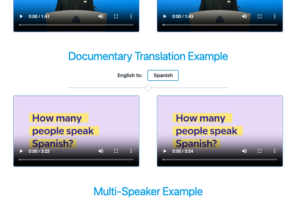
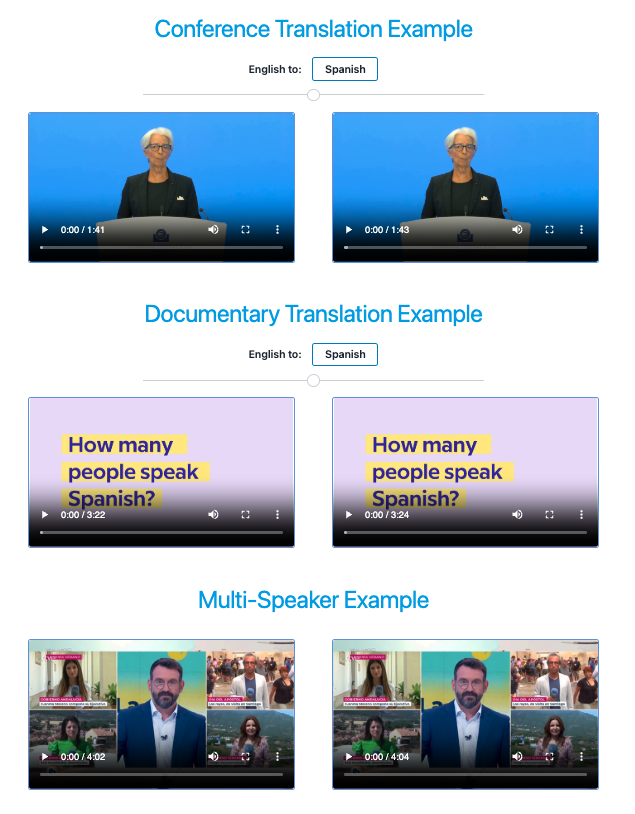
- The AgroTech research group at the Universitat Politècnica de Catalunya – BarcelonaTech (UPC), together with its spin-off Ugiat Technologies, have driven DoblAI, an AI platform that integrates transcription, translation, subtitling and video dubbing into a single workflow. The solution, which uses deep learning technology and cloned or default voice models, is specifically designed for the journalism and communications sector.
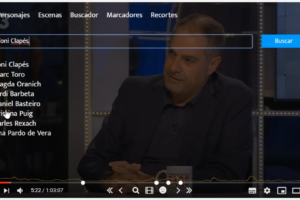
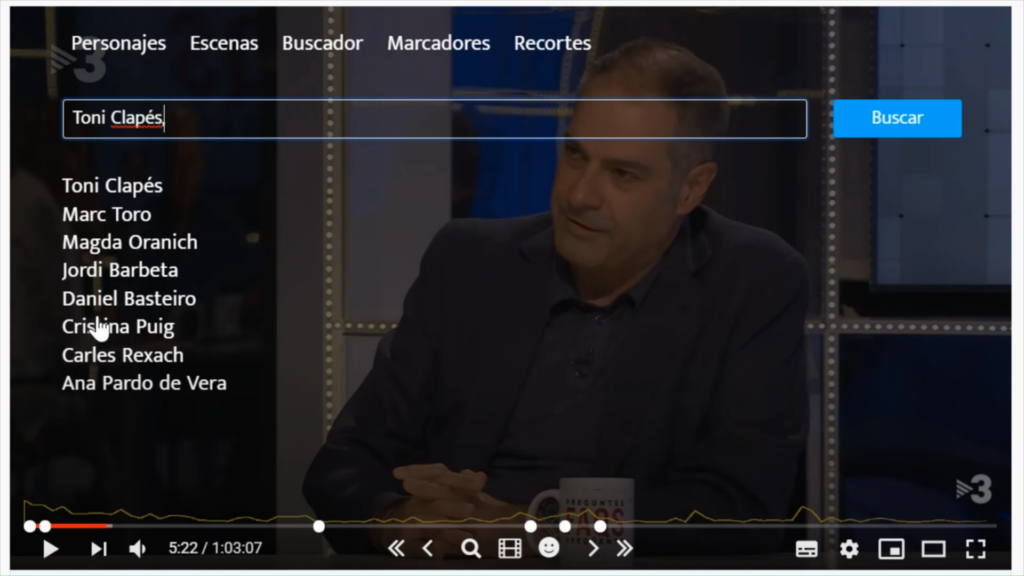
- The AgroTech research group at UPC, in collaboration with its spin-off Ugiat Technologies, has developed uPlayer, a new multimedia player concept that enables more intuitive video navigation and viewing, intelligently enhancing the user experience, especially on YouTube and other platforms, by integrating as a plugin or advanced player.
- The Image and Video Processing Group (GPI), part of the IDEAI-UPC research group, and the Digital Culture and Creative Technologies Research Group (DiCode) from the Image Processing and Multimedia Technology Center (CITM) at the Universitat Politècnica de Catalunya – BarcelonaTech (UPC), have co-organised the AI and Music Festival (S+T+ARTS) together with Sónar+D and Betevé, to explore the creative use of artificial intelligence in music.
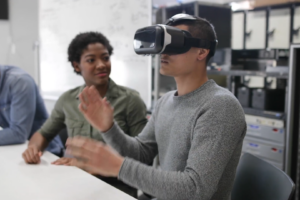
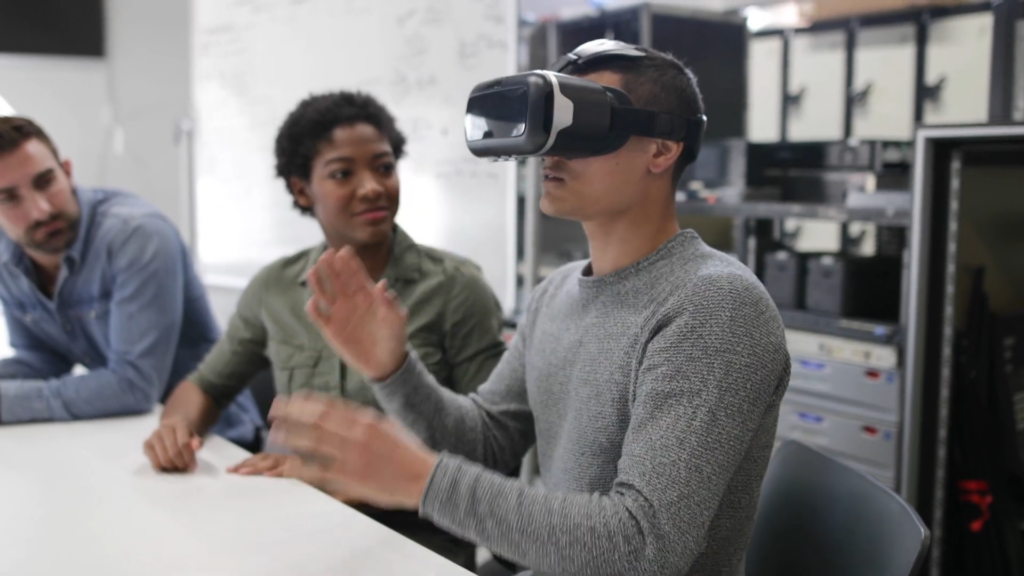
- The Visualisation, Virtual Reality and Graphic Interaction Research Group (ViRVIG) at the Universitat Politècnica de Catalunya - BarcelonaTech (UPC) has participated in the XR4ED project, an initiative that connects the educational technology (EdTech) and Extended Reality (XR) sectors, with the aim of transforming learning and training across Europe.