


UPC will be at the Smart City Expo World Congress 2024
July 15, 2024
The UPC will be present at the 2025 edition of MWC Barcelona
December 13, 2024UPC will be at the Smart City Expo World Congress 2024
July 15, 2024The UPC will be present at the 2025 edition of MWC Barcelona
December 13, 202412/11/2024
Once again, the UPC has participated in the Smart City Expo World Congress, held from 5 to 7 November in Barcelona. Alongside presenting the latest advancements in urban innovation, the University and its entrepreneurial ecosystem have had a prominent presence at the Barcelona Deep Tech Summit, featuring more than 10 start-ups and spin-offs that have showcased disruptive technology.
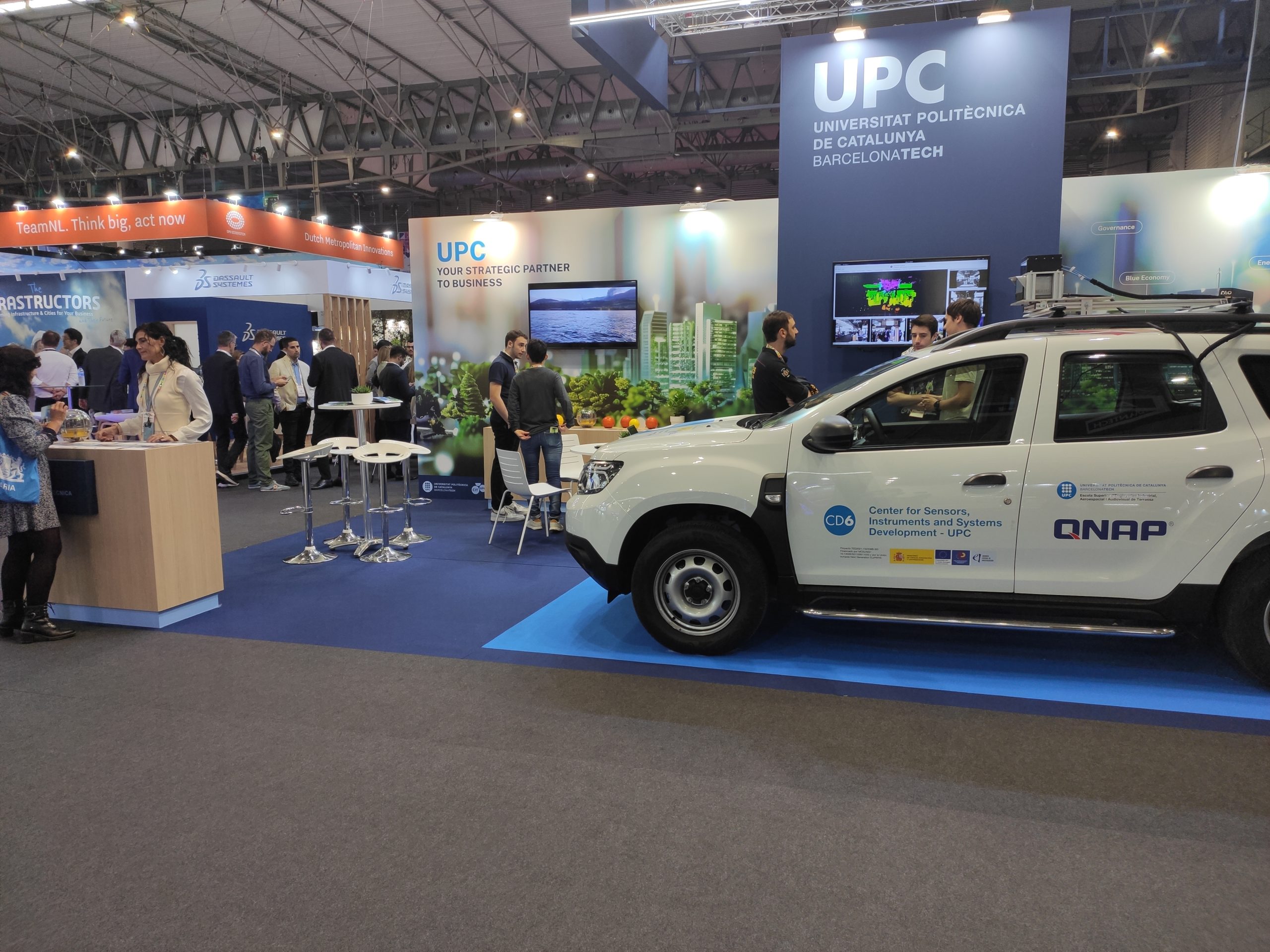
Highlights include a car equipped with AI and optical sensors to enhance autonomous driving, buoys designed to improve sea observation and monitoring, and a project aimed at creating a new generation of high-performance, fully electric European urban and suburban buses. These have been some of the innovative projects that the Universitat Politècnica de Catalunya - BarcelonaTech (UPC), through the Centre for Innovation and Technology (CIT UPC), has showcased at the Smart City Expo World Congress (SCEWC24).
At stand number 33 – located in Hall P3, Level 0, Street B, at Fira de Barcelona-Gran Via – the University also presented other initiatives, technological capabilities, and solutions across enabling technologies, energy and environment, mobility, governance and economy, life and inclusion, infrastructure and building, and blue economy.
Among the standout innovations, a low-emission car equipped with an AI system and optical sensors capable of collecting thousands of data points to enhance autonomous driving. This system has been developed by the Centre for Sensor, Instrument, and System Development (CD6).
The new low-cost, low-power buoy model aimed to enhance sea observation and monitoring systems in coastal and oceanic areas. It can be used in all aquatic environments, from the deep sea to inland waters, including coastal areas, riverbanks, and surf zones. This technology has been developed by the Centre for Technological Development of Remote Acquisition Systems and Information Processing (SARTI).
The eBRT2030 project (European Bus Rapid Transit of 2030: Electrified, Automated, Connected) represented a new generation of high-performance buses designed to make urban transport more sustainable and eco-friendly while reducing costs per kilometre and passenger, TCO (Total Cost of Ownership), greenhouse gas emissions, and traffic congestion. The project included the participation of the BIT research group (Barcelona Innovative Transportation) and the innovation and research laboratory of the Barcelona School of Informatics (inLab FIB).
Among the activities at the fair, the UPC sessions, including the Matchmaking Doctorat Industrial session. This session aimed to present the Industrial Doctorates programme as a vehicle for technology transfer between universities and businesses. Some of the UPC’s research groups showcased their research lines and potential industrial applications. Key research areas with industrial applications covered included, among others, computational simulations and models, electronics and energy, virtual and augmented reality, cybersecurity and privacy, and optical and photonic engineering.
Also, a Breakout Session has been held as part of the Congress on smart grids and hydrogen technologies, along with a Pitch Session on autonomous vehicles.
The UPC Deep Tech Entrepreneurial Ecosystem
In addition, more than 10 start-ups and spin-offs emerged from the UPC have been present at the Barcelona Deep Tech Summit, the leading congress for advanced technology start-ups, now integrated into the Expo and serving as a significant platform for innovations emerging from universities and research centres. Solutions addressing four major global challenges have been presented: energy transition and sustainability, industry 4.0 and mobility, digital health, and space.
At the UPC stand, spin-offs such as Process Talks, TeknoCEA, Virmedex, and Power DIW, have been present, alongside other start-ups linked to the UPC ecosystem that have had a presence at various stands across the Expo.
Participation of the Fractus-UPC Deep Tech Hub
Fractus, one of the first spin-offs from the University and a pioneer in antenna technology, has participated in the corporation-start-up matching sessions on 5 November, in the morning, at the Conectio Event. This company, together with the UPC, had spearheaded the Fractus-UPC Deep Tech Hub, an ecosystem that promoted innovation, collaboration, and entrepreneurship in deep technologies, known as deep tech.
Other start-ups and spin-offs from the UPC’s entrepreneurial ecosystem have also participated in various scheduled activities, such as the Pitch Corner, round tables, and talks: https://barcelonadeeptechsummit.com/agenda.
Deep Tech in a New Episode of Algorrritmes
Additionally, the UPC has released a new episode of the Algorrritmes series, focused on deep tech – technologies with the potential to change the world – featuring Carles Puente, professor at the UPC’s School of Telecommunications (ETSETB) and co-founder of Fractus, alongside Eneko Ibarlucea, a recent graduate from the UPC's Master’s in Telecommunications Engineering, who has recently joined Fractus.
Related Projects
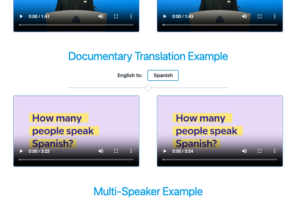
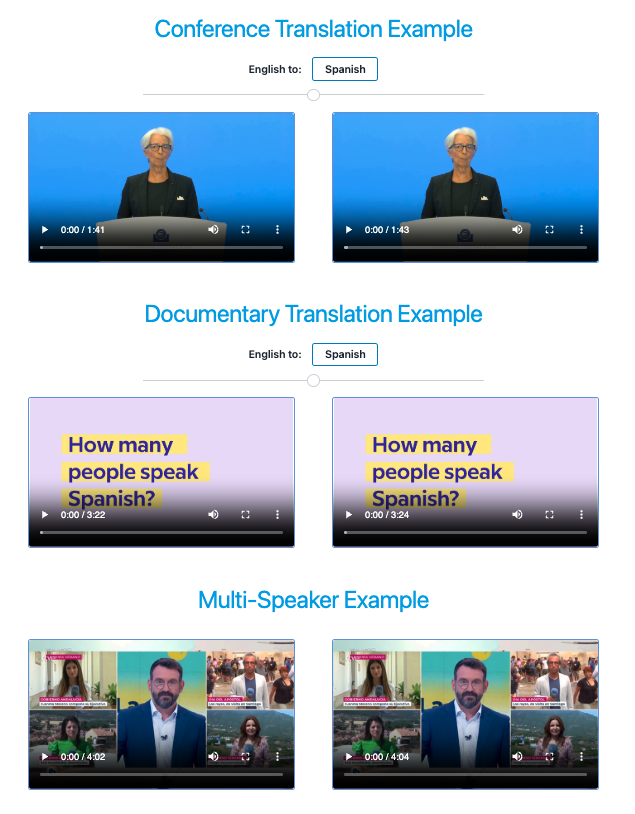
- The AgroTech research group at the Universitat Politècnica de Catalunya – BarcelonaTech (UPC), together with its spin-off Ugiat Technologies, have driven DoblAI, an AI platform that integrates transcription, translation, subtitling and video dubbing into a single workflow. The solution, which uses deep learning technology and cloned or default voice models, is specifically designed for the journalism and communications sector.
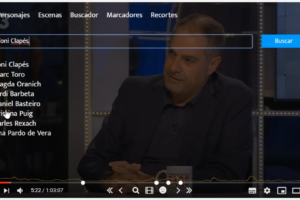
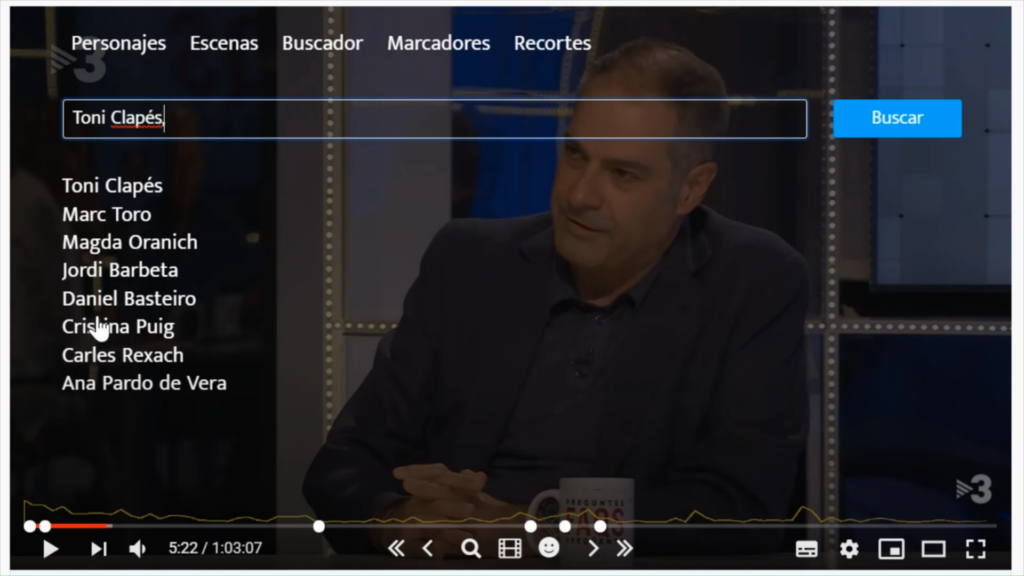
- The AgroTech research group at UPC, in collaboration with its spin-off Ugiat Technologies, has developed uPlayer, a new multimedia player concept that enables more intuitive video navigation and viewing, intelligently enhancing the user experience, especially on YouTube and other platforms, by integrating as a plugin or advanced player.
- The Image and Video Processing Group (GPI), part of the IDEAI-UPC research group, and the Digital Culture and Creative Technologies Research Group (DiCode) from the Image Processing and Multimedia Technology Center (CITM) at the Universitat Politècnica de Catalunya – BarcelonaTech (UPC), have co-organised the AI and Music Festival (S+T+ARTS) together with Sónar+D and Betevé, to explore the creative use of artificial intelligence in music.
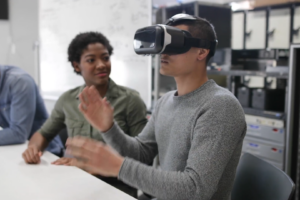
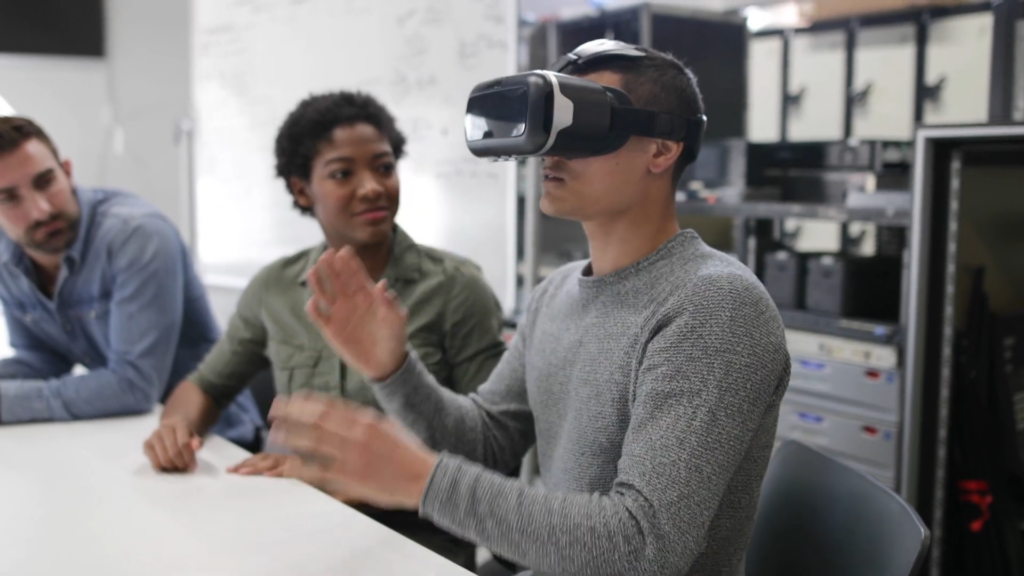
- The Visualisation, Virtual Reality and Graphic Interaction Research Group (ViRVIG) at the Universitat Politècnica de Catalunya - BarcelonaTech (UPC) has participated in the XR4ED project, an initiative that connects the educational technology (EdTech) and Extended Reality (XR) sectors, with the aim of transforming learning and training across Europe.