

TOFMAN: Towards future smart manufacturing systems
September 19, 2022
New materials to improve the useful life of pipes for collecting urban solid waste
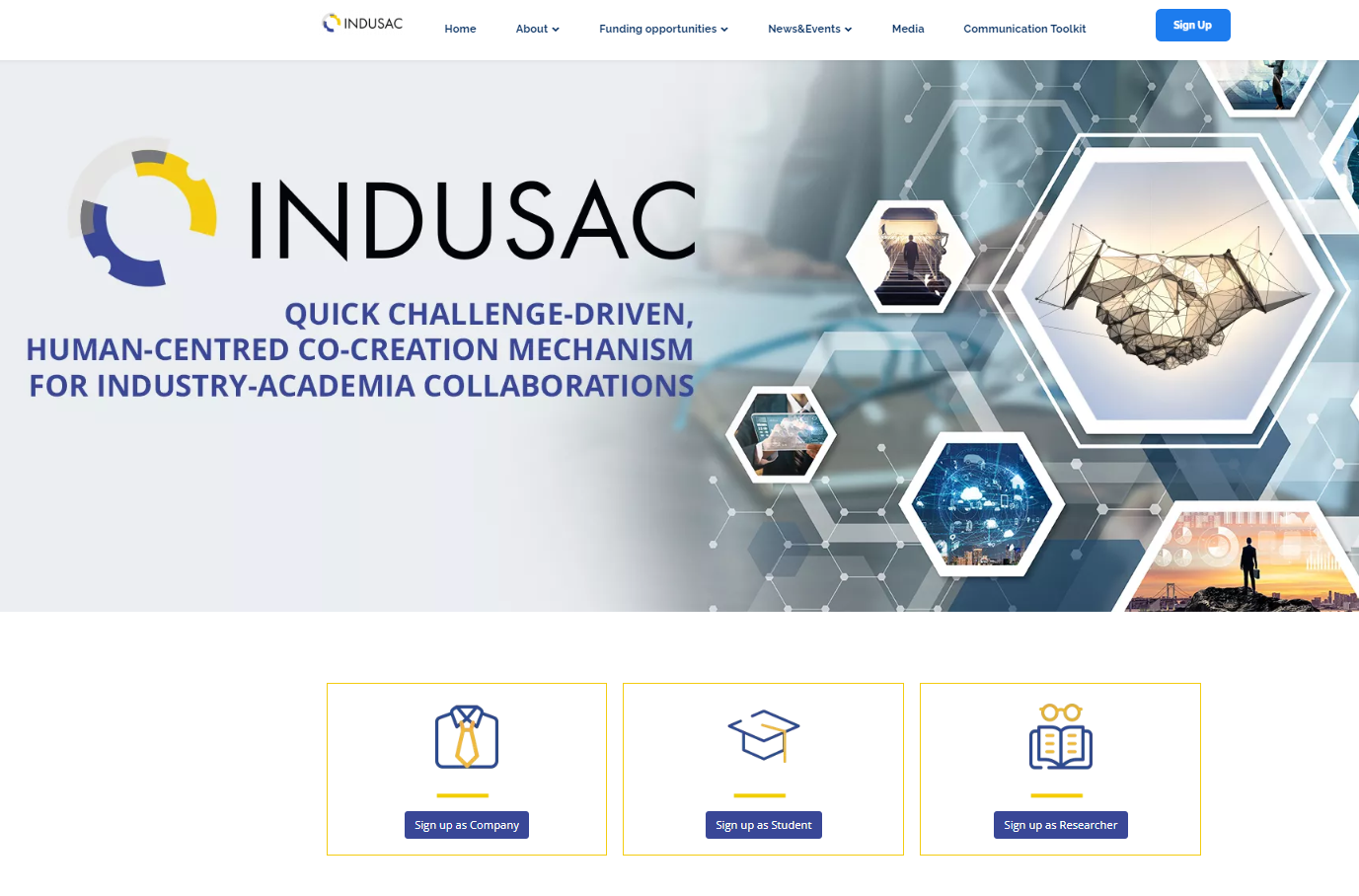
October 10, 2022Representatives of CIT UPC took part in the kick-off meeting in Brussels of the INDUSAC project in September. This project was born out of the multidisciplinary, intersectoral association of nine partners from companies and universities in Europe.
INDUSAC’s main objective is to develop and validate a new state-of-the-art collaboration system, which will enable and optimise collaboration between the industry and academy sectors, from the perspective of quick, challenge-driven and human-centred co-creation.
A platform as meeting point
Based on pre-existing cooperation mechanisms, the new project aims to facilitate a simple, fast, user-friendly co-creation process. Through academic work across Europe, this will enable the development of solutions that clearly address the needs and interests of European Union companies.
The project will also create a dynamic community, including at least 1,000 companies, 3,000 students and 300 researchers at the end of the project.
In addition to CIT UPC, other participants in this project are Bax & Company, Innoget, the Chamber of Commerce and Industry of Pécs-Baranya (Hungary), the Jozef Stefan Institute (Slovenia), the Bydgoszcz Tool Valley Industrial Cluster (Poland), the Karlsruher Technology Institute - KIT (Germany), the Cyprus University of Technology and EIT Manufacturing East (Austria).
With a duration of three years (2022-2024), the INDUSAC project is funded by the European Health and Digital Executive Agency (HaDEA) and is part of the Horizon Europe programme. It is endowed with a budget of €1,999,845.
In this link you can find the publication of the CIT UPC - UPC BarcelonaTech Technology Center in LinkedIn on the initial INDUSAC project meeting.
Related Projects
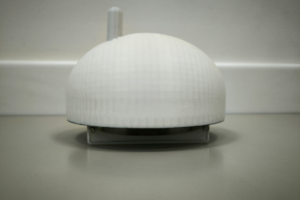
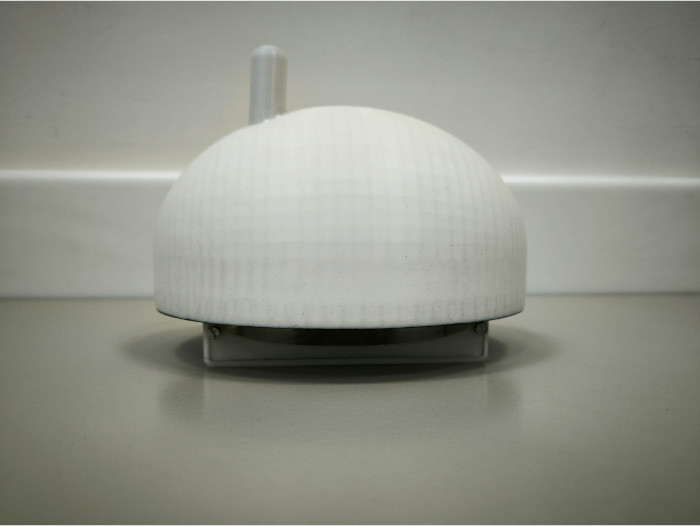
- Researchers from the Computer Networks and Distributed Systems (CNDS) research group at the Universitat Politècnica de Catalunya - BarcelonaTech (UPC) are developing new artificial intelligence-based solutions to obtain more accurate and reliable data from IoT sensor networks, with applications in air quality monitoring, anomaly detection and industrial predictive maintenance.
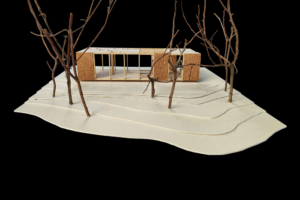
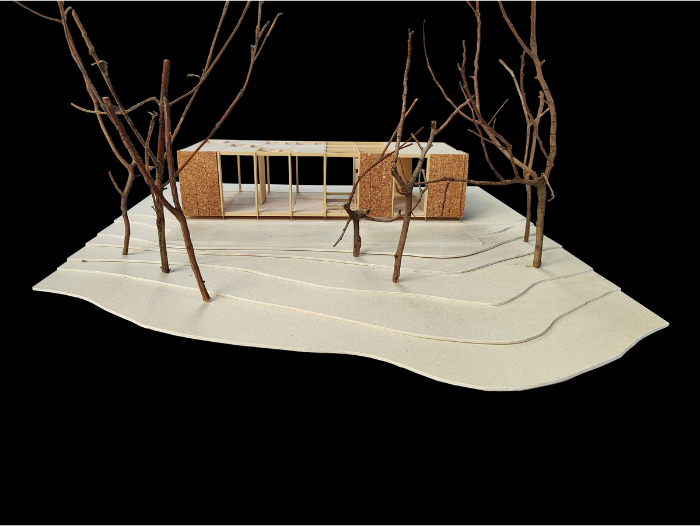
- The Casa Bosc project explores a lightweight, modular and prefabricated timber construction system designed to reduce the environmental impact of housing while making it easier to build and adapt to different contexts. The project has been developed by researchers from the Architectural Rehabilitation and Restoration Research Group (REARQ) at the Universitat Politècnica de Catalunya - BarcelonaTech (UPC) and the company ÀGORA.
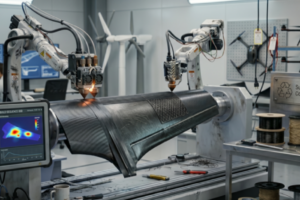
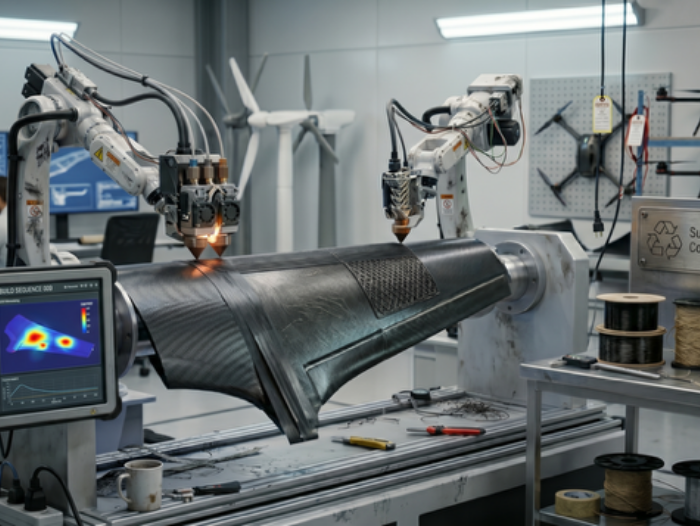
- The Control, Data and Artificial Intelligence (CoDAlab) research group at the Universitat Politècnica de Catalunya - BarcelonaTech (UPC) is taking part in the ATHENS project, which is developing recyclable thermoplastic composite materials with advanced real-time monitoring systems to improve the manufacture, safety and service life of lightweight structures.
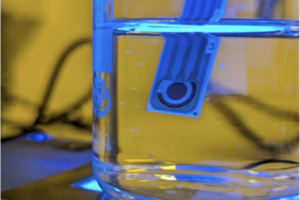
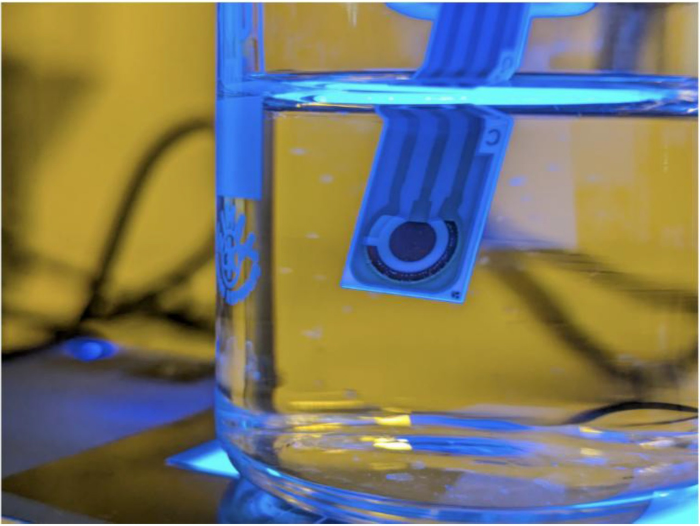
- The MICROTECH LAB - Microtechnology for the Industry research subgroup, part of the Centre for Advanced Technologies in Mechanics (CATMech) at the Universitat Politècnica de Catalunya - BarcelonaTech (UPC), is leading the technical development of a minimally invasive platform to monitor biomarkers and physiological indicators related to stress and emotional wellbeing.