

TherGel: Thermosensitive hydrogels to recover drinking water from saline water
June 29, 2023
SUST(AI)N: Smart building based on AI processing
July 7, 202303/07/2023
The repeated application of copper-based pesticides is the main source of contamination of this metal in agricultural land. The latest European Union regulations on the use of copper in agriculture (2018/1981 of 13 December 2018) highlighted the need to reduce its use and seek alternatives to copper as a plant health product, especially in intensive horticultural crops in which dependence on copper is high.
The microÚs project, in which the Agricultural Machinery Unit (UMA) at the Universitat Politècnica de Catalunya - BarcelonaTech (UPC) participates, is designed to demonstrate the use of a certain formulation of copper-based microcapsules to increase the retention of this metal in leaves in intensive production of horticultural crops such as onion, lettuce and tomato. This enables a reduction in the use of the product and an improvement in the sustainability of the process.
The aims of the microÚs project are:
- Demonstrate that the use of the formulation of microcapsules with copper increases deposition on leaves in horticultural crops (lettuce, onion and tomato) and therefore the amount that is applied can be reduced.
- Validate greater persistence of copper in the leaf under different washing conditions.
- Demonstrate the biological efficacy of the microencapsulated copper product against fungal diseases such as mildew.
- Check that the plant health residues derived from the use of the copper microcapsule formulation are lower in the foods that are produced.
- Report to the various actors in the agricultural sector the benefits of using a formulation of copper microcapsules compared to a conventional product.
As part of the project, demonstration actions are planned to quantify the increase in the efficiency and efficacy of these applications. The aim in both cases is to show that the same levels of control against pests and diseases can be achieved with a lower quantity of copper, with the resulting economic benefits (for farmers, as they can purchase lower quantities of the fungicide product) and environmental benefits (activity with tractors and the amount of fuel used is lower, which decreases the carbon footprint).
Budget and funding
The microÚs project has a total budget of €48,087.07 and is jointly funded by the European Union (European Agricultural Fund for Rural Development). It receives funding from the Department of Climate Action, Food and Rural Agenda, through operation 01.02.01 of Technology Transfer of the Rural Development Programme for Catalonia 2014-2022. MicroÚs has the support of ADV Baix Llobregat, ADV Horta Llevant, Federación Selmar and the Parque Agrario de El Baix Llobregat. The project execution period is from August 2022 to June 2024.



Activity financed through Operation 01.02.01 for Technology Transfer of the Rural Development Programme of Catalonia 2014-2022.
Related Projects
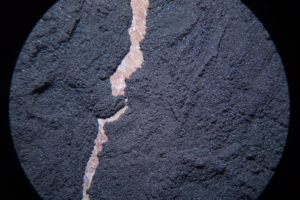
- The Research Group in Smart and Sustainable Resources and Industries (RIIS) at the Universitat Politècnica de Catalunya - BarcelonaTech (UPC) is developing the ZeroCarbonPave project, which aims to assess the feasibility of incorporating biochar as filler and/or as the fine fraction of granular material in bituminous mixtures, with the objective of reducing the carbon footprint associated with the manufacture and laying of road pavements.
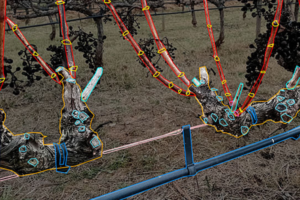
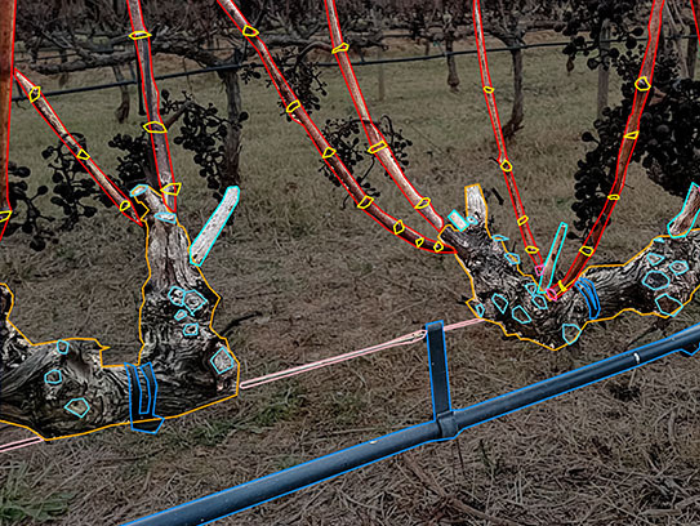
- The Center for Industrial Equipment Design (CDEI-UPC) at the Universitat Politècnica de Catalunya - BarcelonaTech (UPC) is participating in a cross-border project aimed at promoting the use of advanced digital technologies in viticulture in regions on both sides of the Pyrenees. The initiative seeks to improve specialist training, technical advice and decision-making in vineyard management.
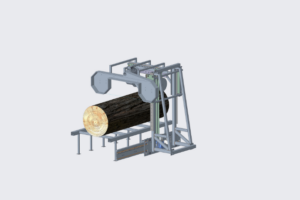
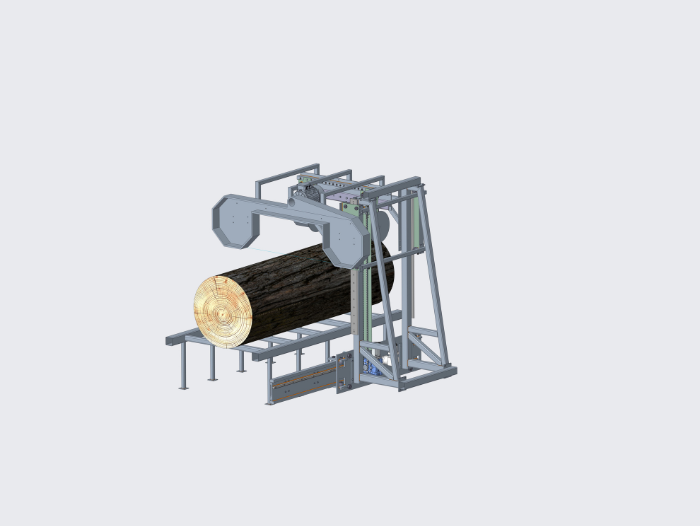
- The Centre for Industrial Equipment Design (CDEI) at the Universitat Politècnica de Catalunya - BarcelonaTech (UPC), together with the IRI, Institut de Robòtica i Informàtica Industrial (CSIC-UPC), is participating in the development of a pre-commercial prototype of an automatic portable sawmill that integrates computer vision, artificial intelligence and computer numerical control to improve productivity, efficiency and safety in local wood processing for the company Envall Coop. S.L.
STOR-HY: More flexible, efficient and resilient hydropower storage for the European electricity grid
The Center for Industrial Diagnostics (CDIF) at the Universitat Politècnica de Catalunya - BarcelonaTech (UPC) coordinates the European STOR-HY project, which develops digital tools, monitoring systems and advanced models to optimise the operation of pumped-storage hydropower plants and reduce their investment and maintenance costs.