STOR-HY: More flexible, efficient and resilient hydropower storage for the European electricity grid
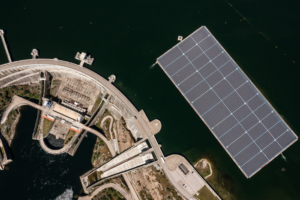
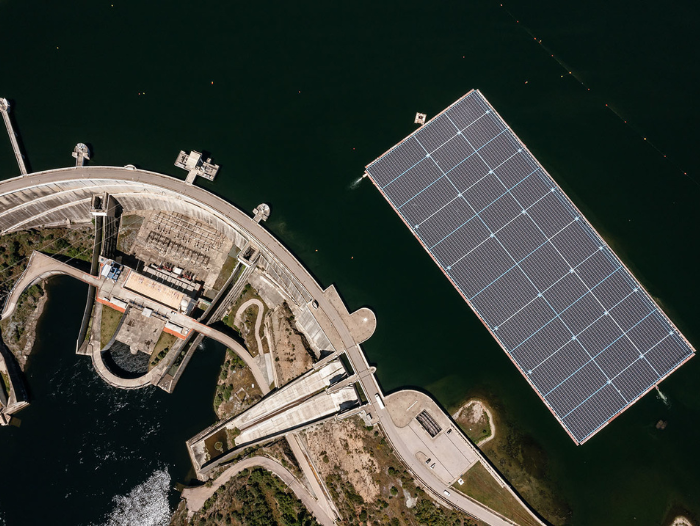
The Center for Industrial Diagnostics (CDIF) at the Universitat Politècnica de Catalunya - BarcelonaTech (UPC) coordinates the European STOR-HY project, which develops digital tools, monitoring systems and advanced models to optimise the operation of pumped-storage hydropower plants and reduce their investment and maintenance costs.- The Center for Industrial Diagnostics (CDIF) and the Energy Processing and Integrated Circuits (EPIC) group at the Universitat Politècnica de Catalunya - BarcelonaTech (UPC) are participating in FLEXHYBAT (Design and control of flexible hydropower plants by hybridisation with second life batteries), a project exploring the hybridisation of hydropower plants with second-life batteries to improve their flexibility, efficiency and durability.
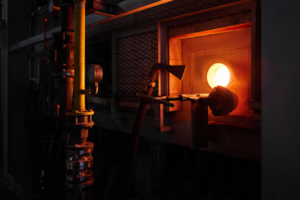
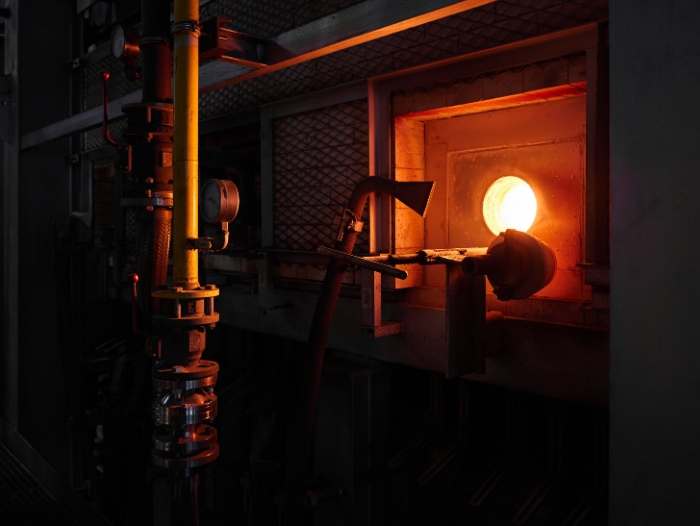
- The Centre for Technological Innovation in Static Converters and Drives (CITCEA) at the Universitat Politècnica de Catalunya - BarcelonaTech (UPC) participates in the H2GLASS project, which aims to accelerate decarbonisation in the glass industry through the development and application of the new technologies needed to achieve complete hydrogen (H₂) combustion in glass or steel production facilities.
- The Centre of Technological Innovation in Power Electronics and Drives (CITCEA) of the Universitat Politècnica de Catalunya - BarcelonaTech (UPC) is leading a European project that redesigns the current energy system to stabilise the power grid in the face of high renewable energy penetration. The proposed solutions involve using the loads that consume energy to help balance the grid.
- The Environmental Engineering (ENMA) research group leads the WhATTer project with the aim of developing an innovative and sustainable solution for the treatment of textile wastewater through an electrochemical/alkaline electrolysis system that allows for simultaneous hydrogen production. The project is carried out in collaboration with the Textile Technology (TECTEX) and Polymeric Materials and Textile Chemistry (POLQUITEX) research groups at the facilities of the Institute of Textile Research and Industrial Cooperation of Terrassa (INTEXTER) at the Universitat Politècnica de Catalunya - BarcelonaTech (UPC).
- The Centre for Technological Risk Studies (CERTEC) at the Universitat Politècnica de Catalunya – BarcelonaTech (UPC) is coordinating the European Program for Wildfire-Prepared Communities (FIREPRIME), a project designed to develop tools and services for wildfire prevention in Europe, with the goal of improving safety in the wildland-urban interface by actively involving the community in its own protection.
- The Center for Technological Innovation in Static Converters and Drives (CITCEA) at the Universitat Politècnica de Catalunya – BarcelonaTech (UPC) has designed a smart wireless application developed to optimize the electricity consumption of high-power devices.
- The energy transition is reshaping the foundations of the power grid, driven by the massive deployment of renewable generation based on power electronics and the gradual disconnection of conventional fossil-based generation. In this context, grid operators will require support systems to provide flexibility, as renewable generation is highly variable.
- An international research team led by the UPC has created a hybrid device that combines, for the first time ever, molecular solar thermal energy storage with silicon-based photovoltaic energy. It achieves a record energy storage efficiency of 2.3% and up to 14.9% total solar energy utilisation.
- Energy consumption in training and inference of artificial intelligence (AI) models, such as large language models (LLMs) like GPT-4, has become a critical challenge due to its environmental impact and the costs associated with high-performance computing (HPC). The energy required to train these models and interact with them increases significantly as the models grow in size and complexity.
- The European project LIFE Biogasnet, coordinated by the Biological Treatment of Gaseous Contaminants and Odours Group (BIOGAP) at the Universitat Politècnica de Catalunya - BarcelonaTech (UPC), has validated a new biogas purification technology that improves the quality of this resource, produced in urban solid waste treatment plants and wastewater treatment facilities, while reducing the carbon footprint, thus promoting the concept of a circular economy. The new solution is based on efficient, low-cost biological technologies, combining a biotrickling filter with a nitrification bioreactor.
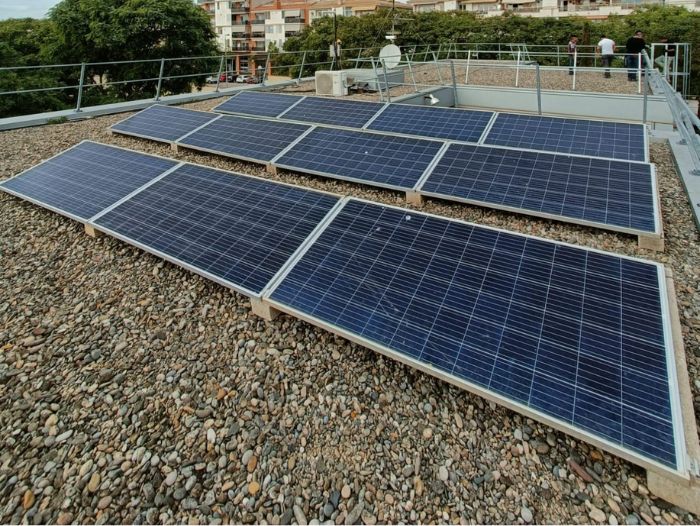
- The Heat and Mass Transfer Technology Center (CTTC) at the Universitat Politècnica de Catalunya - BarcelonaTech (UPC) participated in the Economic COgeneration by Efficiently COncentrated SUNlight (ECOSUN) project to develop a low-cost, concentrated thermal and photovoltaic cogeneration system that increases the system’s electrical efficiency.
- The Technological Development Center for Remote Acquisition and Data Processing Systems (SARTI) at the Universitat Politècnica de Catalunya - BarcelonaTech (UPC) participated in GIRASOL II, a project to develop a digital twin for photovoltaic plants by applying internet of things (IoT) technology, artificial intelligence techniques and immersive human-machine interfaces.
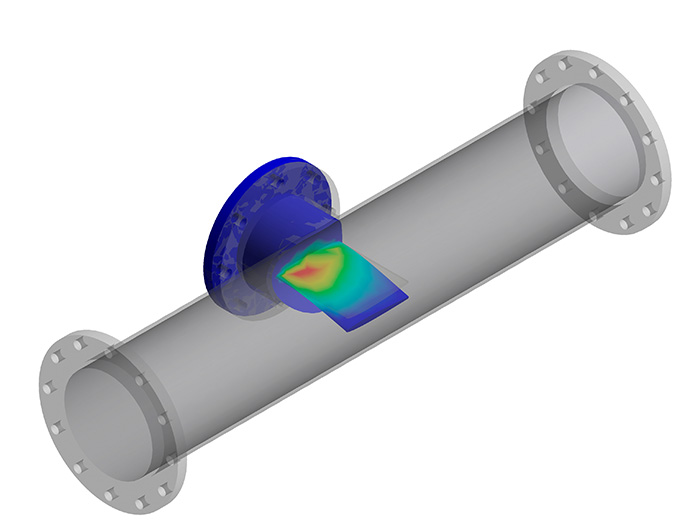
- The research group Barcelona Fluids & Energy Lab (IFLUIDS) and the Centre for Technological Innovation in Static Converters and Drives (CITCEA) of the UPC participate in the European project H-HOPE, which is focused on the development of solutions to produce clean energy based on water sources that have still not been exploited, such as pipes and water channels.
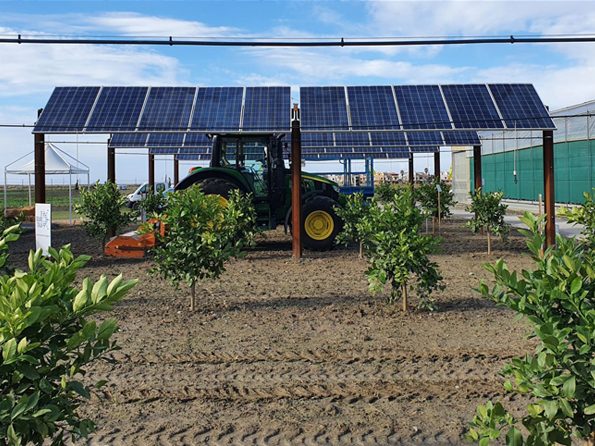
- Combining agricultural activity and the production of solar energy by means of photovoltaic panels is the aim of SYMBIOSYST, a project promoted by a consortium of 16 European partners including the UPC. As part of this project, technological tools will be developed to contribute to generating clean energy for the agricultural sector in Europe.