

A study to monitor air quality in the municipalities of la Llagosta, Mollet del Vallès and Santa Perpètua de Mogoda
September 15, 2025
TRIFFID: Autonomous Robotic Aid For Increasing First Responders Efficiency
September 22, 202518/09/2025
The Centre of Technological Innovation in Power Electronics and Drives (CITCEA) of the Universitat Politècnica de Catalunya - BarcelonaTech (UPC) is leading a European project that redesigns the current energy system to stabilise the power grid in the face of high renewable energy penetration. The proposed solutions involve using the loads that consume energy to help balance the grid.
With the increase in solar and wind energy, which have variable and less controllable output, maintaining power grid stability is an increasingly complex challenge in the current context of the energy transition. Traditional solutions, such as batteries or the temporary reduction of renewable generation, are costly and not always efficient.
The European project ‘Grid Forming Loads to provide maximum flexibility and enable future power systems with very high renewable generation penetration’ (GridForLoads) proposes an innovative alternative to address the new power grid challenges arising from the penetration of renewable energy: grid-forming loads.
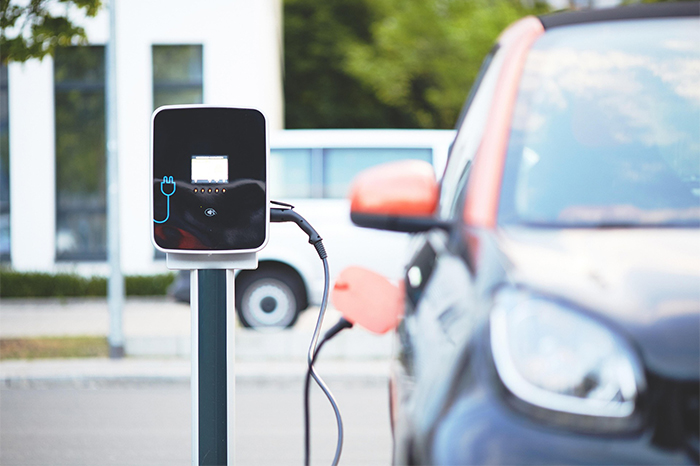
The project aims to leverage energy-consuming devices on the grid, such as electric vehicle chargers or pump drives, which, thanks to advanced control, can actively help maintain grid balance. This allows renewables to operate at full capacity, without the need to reduce generation or compromise system reliability.
The grid-forming loads developed within the project allow the responsibility for forming and stabilising the grid to shift from generators to consumers, reversing the traditional operation of the power grid, where generators have historically been responsible for stabilising the network. The research team will test this technology through experimental tests and system-scale simulations.
Impact
GridForLoads will lay the foundations for a more reliable, efficient power system, prepared for a future based on clean energy.
UPC has filed the patent 'Method and system for controlling a voltage source converter as a grid forming load' and is promoting the development of the concept and its commercial exploitation and application.
Partners, budget and funding
Led by CITCEA-UPC, the project is funded with €2.5 million under the Horizon Europe programme (HORIZON-101192350-GridForLoads) and involves six European research centres and companies. In addition to CITCEA-UPC, the project team includes the collaboration with the UPC’s Hydrogen Specific Research Centre (CER-H2). GridForLoads has a duration of 42 months (January 2025 – June 2028).
Related Projects
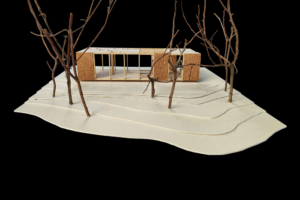
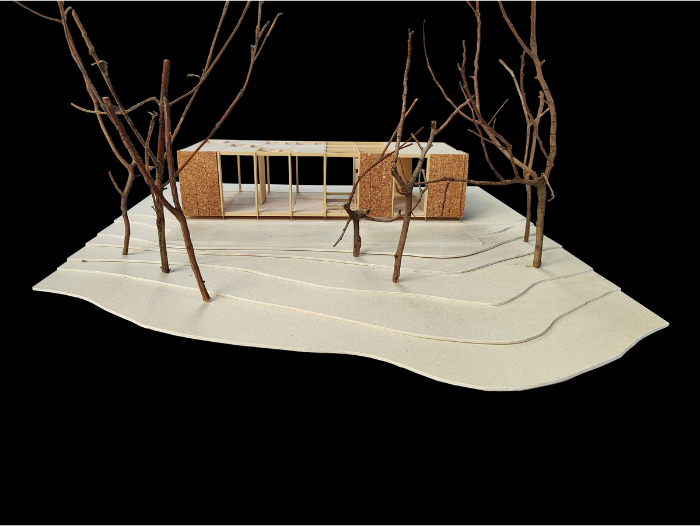
- The Casa Bosc project explores a lightweight, modular and prefabricated timber construction system designed to reduce the environmental impact of housing while making it easier to build and adapt to different contexts. The project has been developed by researchers from the Architectural Rehabilitation and Restoration Research Group (REARQ) at the Universitat Politècnica de Catalunya - BarcelonaTech (UPC) and the company ÀGORA.
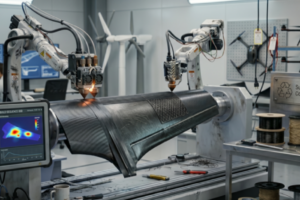
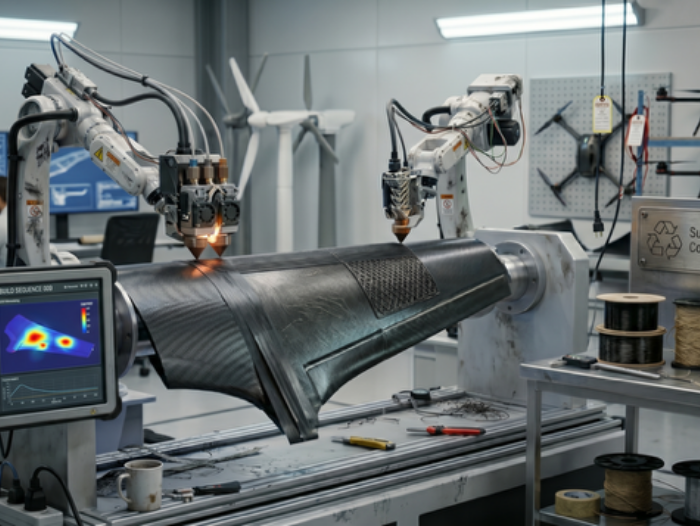
- The Control, Data and Artificial Intelligence (CoDAlab) research group at the Universitat Politècnica de Catalunya - BarcelonaTech (UPC) is taking part in the ATHENS project, which is developing recyclable thermoplastic composite materials with advanced real-time monitoring systems to improve the manufacture, safety and service life of lightweight structures.
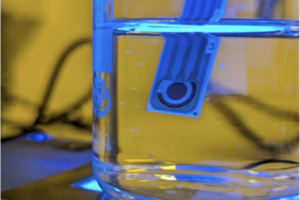
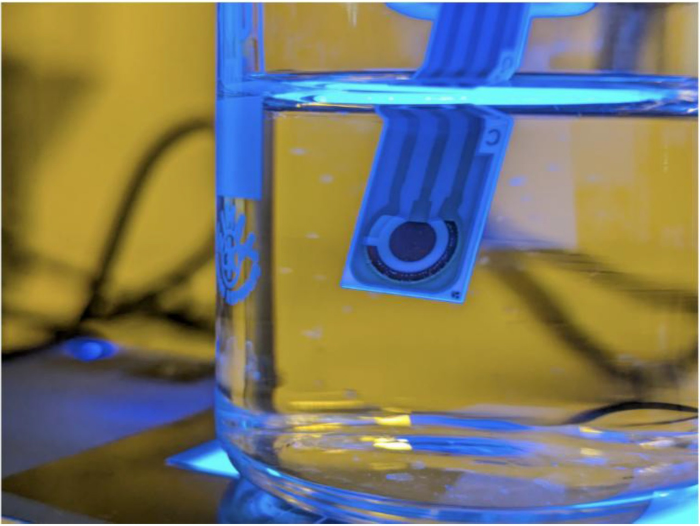
- The MICROTECH LAB - Microtechnology for the Industry research subgroup, part of the Centre for Advanced Technologies in Mechanics (CATMech) at the Universitat Politècnica de Catalunya - BarcelonaTech (UPC), is leading the technical development of a minimally invasive platform to monitor biomarkers and physiological indicators related to stress and emotional wellbeing.
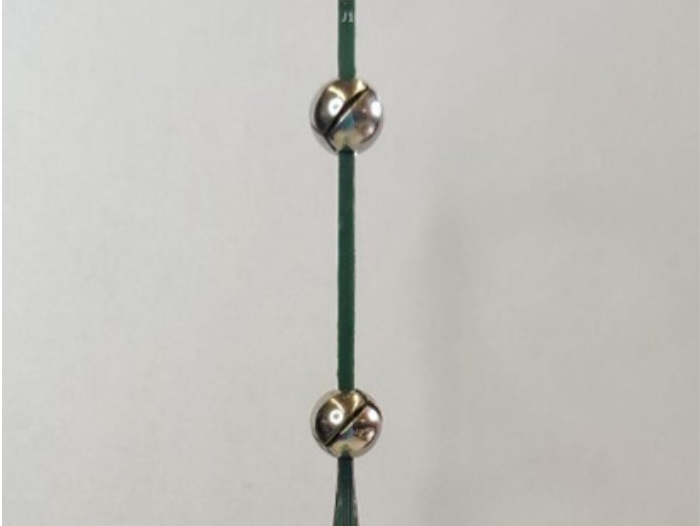
- A research team from the Universitat Politècnica de Catalunya - BarcelonaTech (UPC) has participated in the M3LEC project, coordinated by the Centro de Astrobiología (CAB), a joint centre of the Spanish National Research Council (CSIC) and the Instituto Nacional de Técnica Aeroespacial (INTA), with the Universidad de Sevilla (US) / Instituto de Microelectrónica de Sevilla (IMSE) also participating. M3LEC aimed to contribute to the characterisation of the Martian atmosphere and meteorology, and to investigate new instrumentation for future planetary exploration missions.