

EmotionalSigns: biosensors to measure stress and emotional state in people with communication difficulties
September 8, 2026
Casa Bosc: a modular timber housing system combining prefabrication, circularity, low cost and minimal intervention in the landscape
October 8, 202610/09/2026
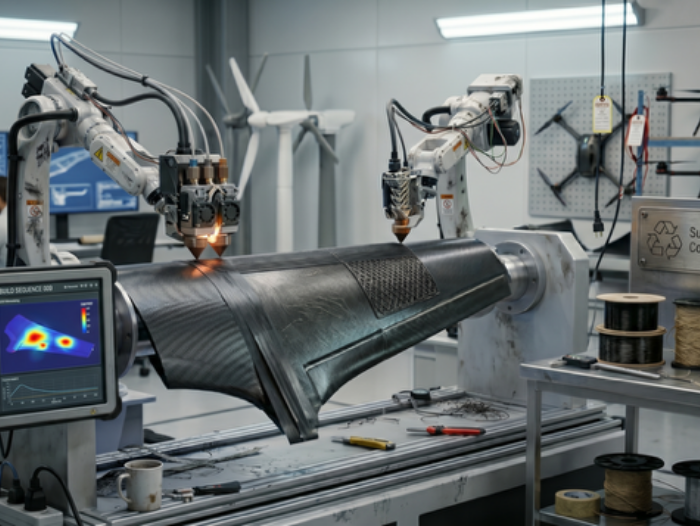
The Control, Data and Artificial Intelligence (CoDAlab) research group at the Universitat Politècnica de Catalunya - BarcelonaTech (UPC) is taking part in the ATHENS project, which is developing recyclable thermoplastic composite materials with advanced real-time monitoring systems to improve the manufacture, safety and service life of lightweight structures.
Composite materials play an increasingly important role in sectors such as urban transport, road vehicles and trains, where weight reduction, structural efficiency and durability are key factors in improving performance and reducing costs. However, traditional composites have significant limitations: they are often difficult to recycle, may require complex manufacturing processes and need reliable systems to ensure their integrity over time.
ATHENS was created to address this challenge by developing recyclable thermoplastic materials and integrating smart monitoring technologies. Its aim is to create lighter and more efficient structures, optimise their manufacture through automated processes and incorporate embedded sensor networks that can monitor quality and diagnose their condition throughout their service life.
The proposed solution combines recyclable composite materials, integrated sensors, cyber-physical systems, artificial intelligence and Hardware-in-the-Loop validation platforms (HiL, a validation technique in which a real physical system —for example, a sensor, control unit, electronic device or monitoring system— is tested by connecting it to a simulation environment that reproduces real operating conditions). This approach makes it possible to monitor both the manufacturing process and the structural health of the final product, providing a complete view of the structure’s behaviour from production through to real-world use.
One of the project’s main innovations is its ability to detect, identify and predict potential damage or failures before critical situations arise. Using the data collected by the sensors, the AI-powered system can generate preventive alerts and support more efficient maintenance decisions. ATHENS can therefore help to reduce maintenance and manufacturing costs, extend component service life, and improve the safety and reliability of structures made from composite materials.
Within this framework, the UPC is responsible for the SNAPSHOT subproject, which focuses on developing the system’s intelligence layer. Its contribution includes creating artificial intelligence algorithms and data acquisition systems for process control and structural health monitoring. SNAPSHOT is also developing a cyber-physical system capable of collecting data efficiently and securely from various sensors embedded in the structures, both during manufacturing and under operating conditions.
The subproject also incorporates advanced AI techniques, including physics-informed machine learning, transfer learning and explainable AI models, to improve the accuracy, adaptability and interpretability of the monitoring system. HiL platforms will also be developed to simulate realistic operating conditions and validate the monitoring technologies and AI algorithms before they are deployed in real environments.
Budget and Consortium
ATHENS will run for 36 months (September 2025-August 2028) and has a budget of €100,000.00. The project is coordinated by the Universidad Politécnica de Madrid (UPM), which is also responsible for ATHENS’ other subproject, STRESS, focused on materials and manufacturing.

Technology
Topic
You want to know more?
Related Projects
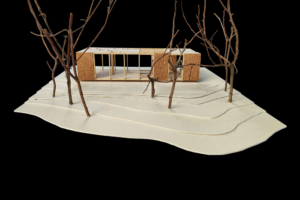
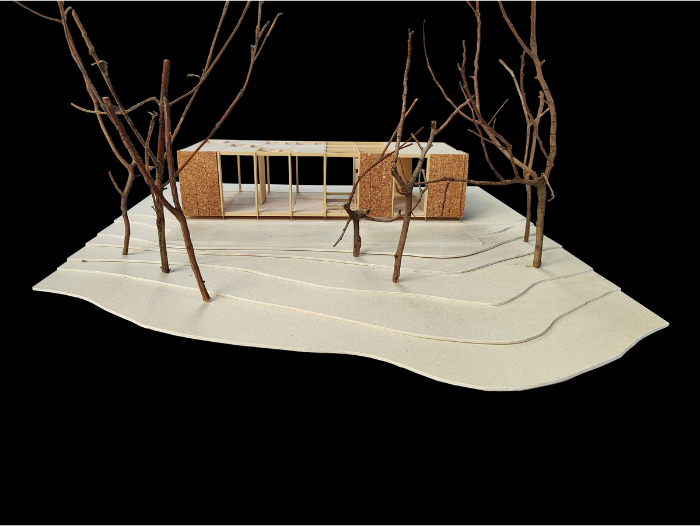
- The Casa Bosc project explores a lightweight, modular and prefabricated timber construction system designed to reduce the environmental impact of housing while making it easier to build and adapt to different contexts. The project has been developed by researchers from the Architectural Rehabilitation and Restoration Research Group (REARQ) at the Universitat Politècnica de Catalunya - BarcelonaTech (UPC) and the company ÀGORA.
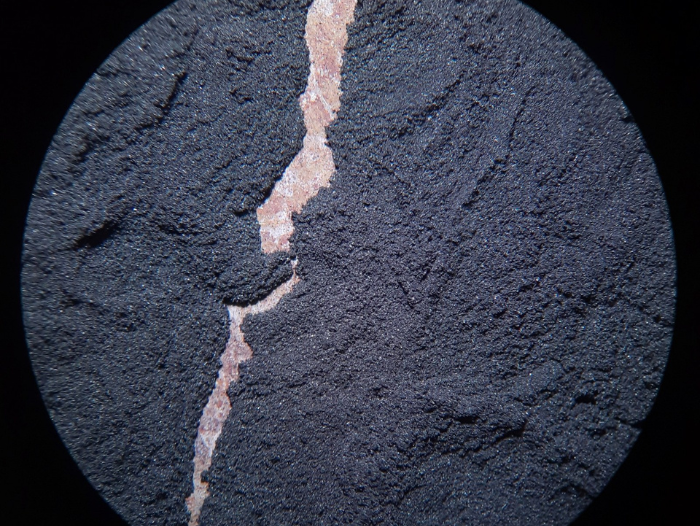
- The Research Group in Smart and Sustainable Resources and Industries (RIIS) at the Universitat Politècnica de Catalunya - BarcelonaTech (UPC) is developing the ZeroCarbonPave project, which aims to assess the feasibility of incorporating biochar as filler and/or as the fine fraction of granular material in bituminous mixtures, with the objective of reducing the carbon footprint associated with the manufacture and laying of road pavements.
- The Center for Industrial Diagnostics (CDIF) and the Energy Processing and Integrated Circuits (EPIC) group at the Universitat Politècnica de Catalunya - BarcelonaTech (UPC) are participating in FLEXHYBAT (Design and control of flexible hydropower plants by hybridisation with second life batteries), a project exploring the hybridisation of hydropower plants with second-life batteries to improve their flexibility, efficiency and durability.
- The Group of Construction Research and Innovation (GRIC) at the Universitat Politècnica de Catalunya - BarcelonaTech (UPC) leads the RESILIENT project, which develops advanced models and methodologies to assess climate-resilience strategies in buildings and optimise decision-making.