

GridForLoads: Stabilising the power grid through grid-forming loads
September 18, 2025
LIFE REMAR: Managed Aquifer Recharge for the Renaturalisation of Wastewater
September 25, 202522/09/2025
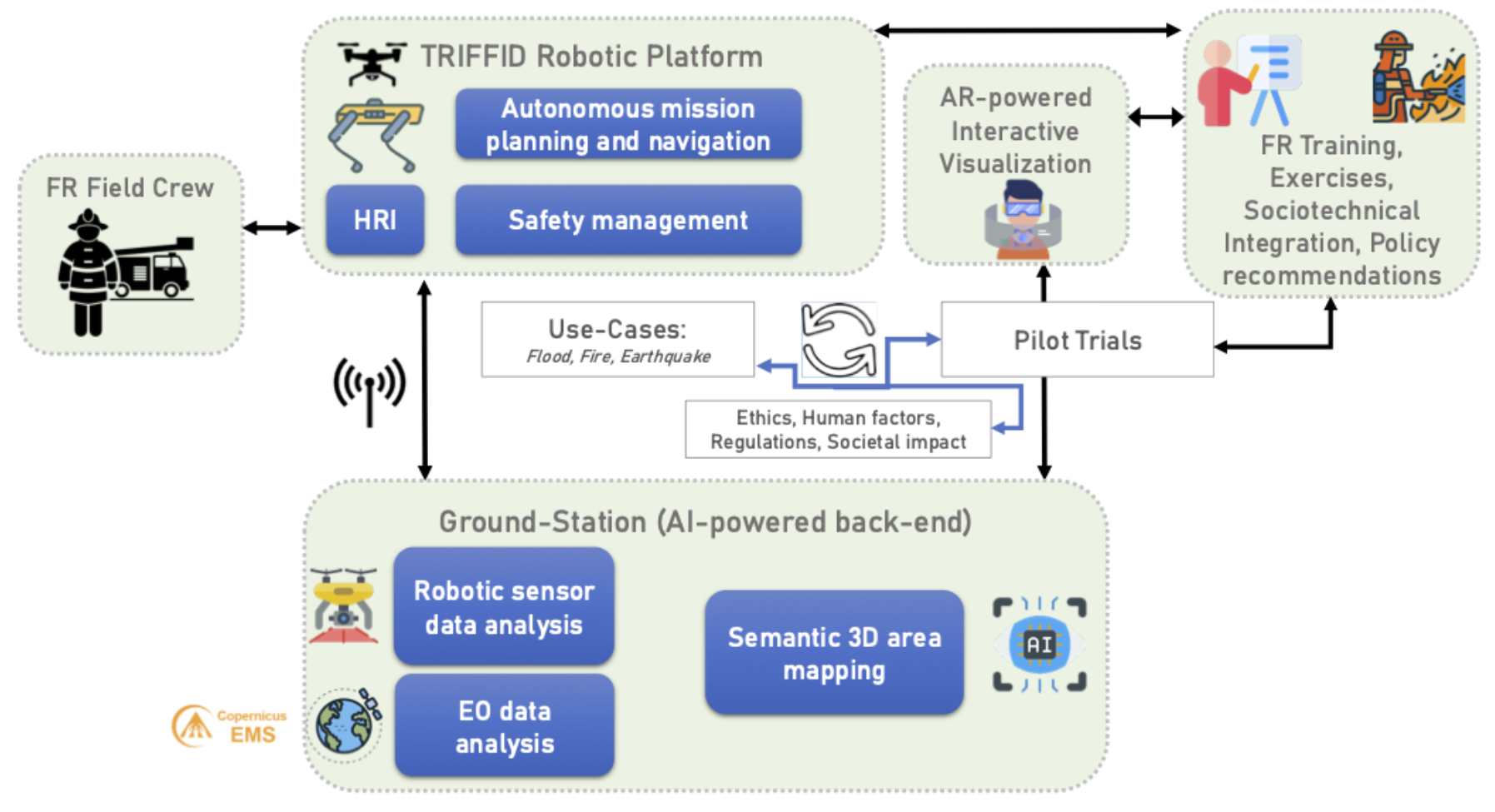
A research team led by the Mobile Robotics and Artificial Intelligence Group (RAIG) of the Institut de Robòtica i Informàtica Industrial (IRI, CSIC-UPC) at the Universitat Politècnica de Catalunya - BarcelonaTech (UPC) is taking part in the European project TRIFFID (auTonomous Robotic aId For increasing FIrst responDers efficiency). The aim is to develop a platform to support rescue operations in emergency situations. The initiative combines advanced robotics, artificial intelligence and immersive interfaces to enhance safety and accelerate response in hazardous environments.
The TRIFFID project focuses on developing a system that combines the use of a ground and an aerial robot (UGV + UAV), capable of carrying out autonomous reconnaissance tasks powered by artificial intelligence (AI), thereby reducing the burden of human supervision. The data collected are displayed in real time on a control station equipped with an augmented reality interface, generating semantic maps of disaster scenarios and integrating them into European Civil Protection procedures.
In addition to its technological dimension, the project also addresses operational, legal and social aspects to ease the adoption of the solutions, and includes training tools for rescue personnel.
Impact
TRIFFID will help improve the efficiency of rescue teams, shorten response times and reduce human exposure to danger, with a significant decrease in planning and operational time, and an improvement in safety and decision-making in hazardous environments.
Consortium, budget and funding
The consortium consists of 12 partners from 9 European countries. Coordinated by HUA (Greece), and in addition to UPC (Spain), the project involves: HMU (Greece), VUB (Belgium), UWB (Czech Republic), CNR (Italy), DCNA (Austria), Telesto (Greece), ITML (Cyprus), PUI (France), GB (Netherlands), HFC and ROE (Greece).
The UPC, with the support of the IRI (CSIC-UPC), plays a key role in:
- Technical and scientific leadership: monitoring compliance with the project’s scientific and technological objectives throughout its duration.
- Leadership in robotic navigation and communications: developing advanced real-time methods for dynamic mission planning, autonomous navigation of ground and aerial robots, and safety management and recovery in the event of failures.
- Technical partner: designing and implementing the TRIFFID semantic mapping strategy, including LiDAR-based techniques, non-visual data analysis and information fusion.
TRIFFID has a total budget of € 4,098,690, fully funded by the European Union under the Horizon Europe programme (HORIZON-CL3-2023-DRS-01-05-101168042). The project will run for three years (October 2024 – September 2027).


This project has received funding from the European Union’s Horizon Europe research and innovation program under Grant Agreement No.101168042.
Disclaimer:
Content reflects only the authors’ view and the European Commission is not responsible for any use that may be made of the information it contains.
Related Projects
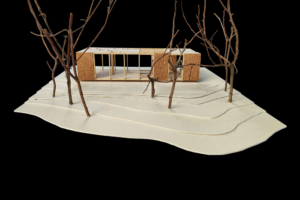
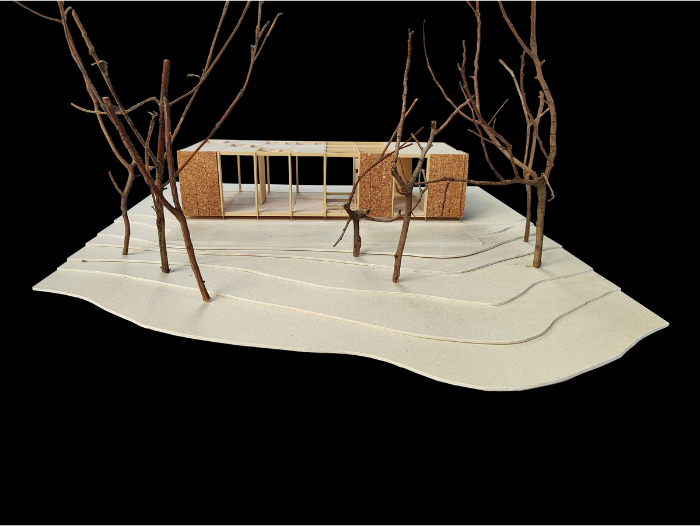
- The Casa Bosc project explores a lightweight, modular and prefabricated timber construction system designed to reduce the environmental impact of housing while making it easier to build and adapt to different contexts. The project has been developed by researchers from the Architectural Rehabilitation and Restoration Research Group (REARQ) at the Universitat Politècnica de Catalunya - BarcelonaTech (UPC) and the company ÀGORA.
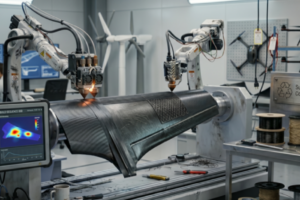
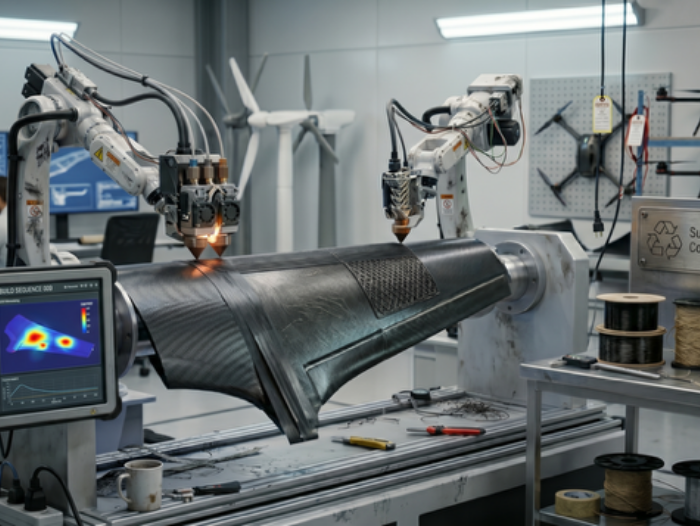
- The Control, Data and Artificial Intelligence (CoDAlab) research group at the Universitat Politècnica de Catalunya - BarcelonaTech (UPC) is taking part in the ATHENS project, which is developing recyclable thermoplastic composite materials with advanced real-time monitoring systems to improve the manufacture, safety and service life of lightweight structures.
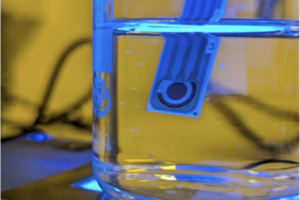
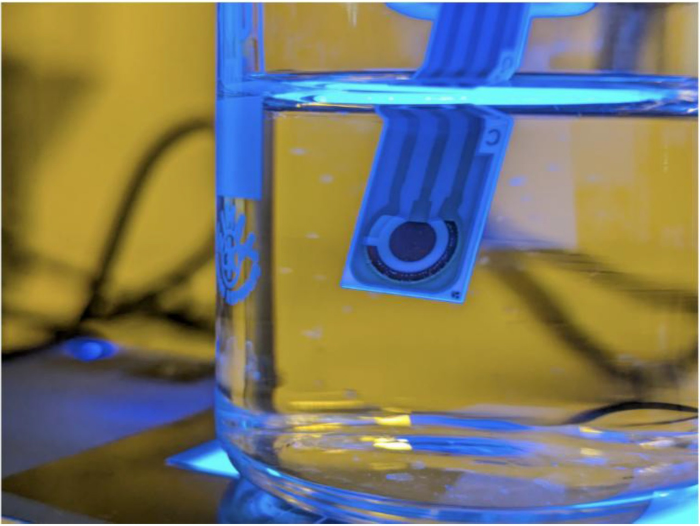
- The MICROTECH LAB - Microtechnology for the Industry research subgroup, part of the Centre for Advanced Technologies in Mechanics (CATMech) at the Universitat Politècnica de Catalunya - BarcelonaTech (UPC), is leading the technical development of a minimally invasive platform to monitor biomarkers and physiological indicators related to stress and emotional wellbeing.
- A research team from the Universitat Politècnica de Catalunya - BarcelonaTech (UPC) has participated in the M3LEC project, coordinated by the Centro de Astrobiología (CAB), a joint centre of the Spanish National Research Council (CSIC) and the Instituto Nacional de Técnica Aeroespacial (INTA), with the Universidad de Sevilla (US) / Instituto de Microelectrónica de Sevilla (IMSE) also participating. M3LEC aimed to contribute to the characterisation of the Martian atmosphere and meteorology, and to investigate new instrumentation for future planetary exploration missions.