

DYNAMIC: Advanced Antibacterial Biomaterials to Enhance Bone Regeneration
December 20, 2024
BIOMETCRI: Circular bioeconomy in battery recycling
February 7, 202527/12/2024
The company Natural Machines and the Heat and Mass Transfer Technological Centre (CTTC-UPC) at the UPC have completed the EFICIENT3D project, during which a low-energy cooking system was developed by integrating advanced heat transfer technologies into the 3D food printer, Foodini, commercialised by Natural Machines.
To achieve this, the scientific and technical expertise of the CTTC-UPC in heat transfer simulations and thermal materials was combined with Natural Machines' prototyping and experimental capabilities. The cooking model, which employs induction and laser technologies, optimises energy usage through artificial vision to focus heat precisely on the volume of food, thereby reducing both energy consumption and cooking time.
The project development was structured in two phases:
- Numerical Modelling Using Digital Twin:
A virtual tool was created to simulate the thermal behaviour of induction heating, generating an accurate 3D model of heat transfer by induction. The model was validated with experimental data and then applied to various configurations of coils and frequencies. The results were further cross-checked with experimental tests carried out by Natural Machines, providing data for more efficient future designs. - Prototyping and Experimentation:
The induction plate was upgraded to conduct detailed tests using temperature sensors at multiple points. Experiments were performed with food items such as hamburgers, integrating the system into the Foodini to measure and control temperature in real time, while adapting the software to ensure accurate sensor readings.
This new efficient cooking prototype uses induction on a 3D printing platform, improving heat transfer, temperature control, and reducing energy consumption proportionally to the reduction in the heated surface area, which can range from 30% to 60%. Similarly, the use of the Digital Twin as an optimisation tool was validated, demonstrating significant savings in time and costs, as the model was validated and further results were obtained numerically using a single prototype. The next steps of the project aim to integrate this technology into the final FoodiniPro solution.
This project was developed within the framework of the INNOTEC programme with financial support from ACCIÓ between 2022 and 2024, with a total budget of €198,818.72.


Topic
You want to know more?
Related Projects
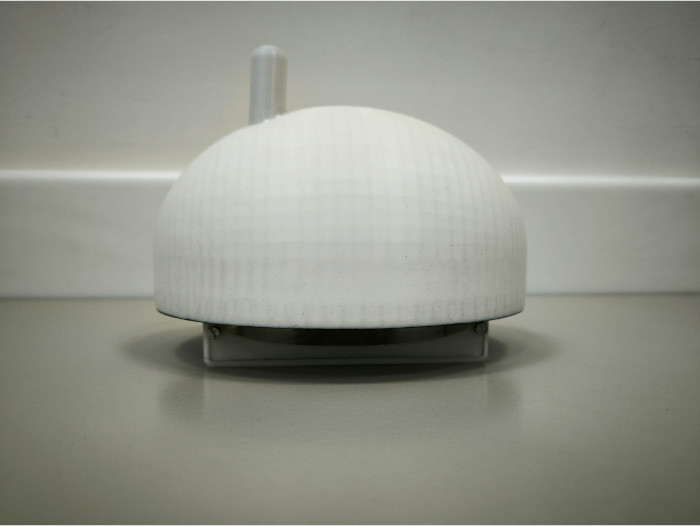
- Researchers from the Computer Networks and Distributed Systems (CNDS) research group at the Universitat Politècnica de Catalunya - BarcelonaTech (UPC) are developing new artificial intelligence-based solutions to obtain more accurate and reliable data from IoT sensor networks, with applications in air quality monitoring, anomaly detection and industrial predictive maintenance.
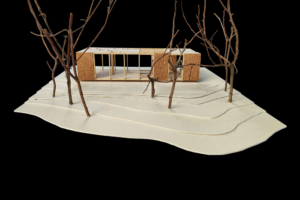
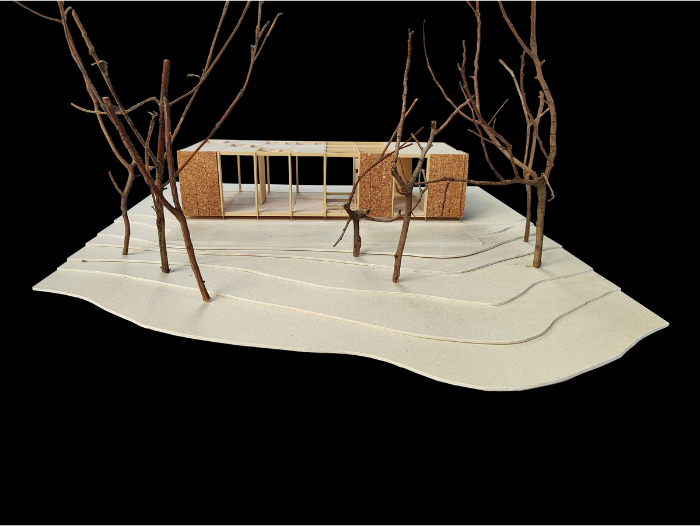
- The Casa Bosc project explores a lightweight, modular and prefabricated timber construction system designed to reduce the environmental impact of housing while making it easier to build and adapt to different contexts. The project has been developed by researchers from the Architectural Rehabilitation and Restoration Research Group (REARQ) at the Universitat Politècnica de Catalunya - BarcelonaTech (UPC) and the company ÀGORA.
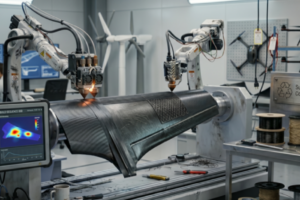
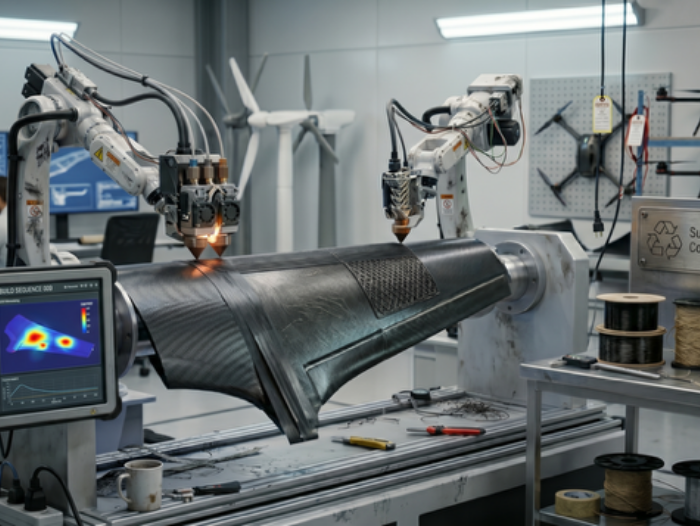
- The Control, Data and Artificial Intelligence (CoDAlab) research group at the Universitat Politècnica de Catalunya - BarcelonaTech (UPC) is taking part in the ATHENS project, which is developing recyclable thermoplastic composite materials with advanced real-time monitoring systems to improve the manufacture, safety and service life of lightweight structures.
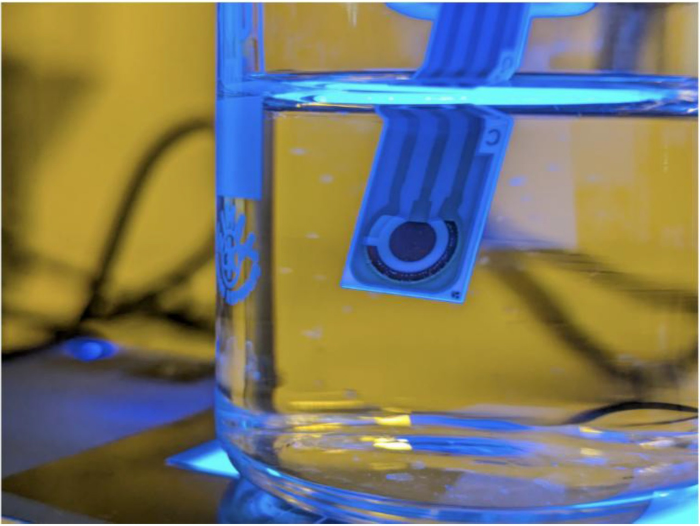
- The MICROTECH LAB - Microtechnology for the Industry research subgroup, part of the Centre for Advanced Technologies in Mechanics (CATMech) at the Universitat Politècnica de Catalunya - BarcelonaTech (UPC), is leading the technical development of a minimally invasive platform to monitor biomarkers and physiological indicators related to stress and emotional wellbeing.