

ICARIA: New tools to anticipate and reduce climate hazards affecting critical infrastructure and assets
April 13, 2026
A gravity-fed natural wastewater treatment plant with low energy consumption and zero waste
May 19, 202616/04/2026
Researchers from the Architecture, Energy and Environment research group (AiEM) and the Design and Analysis of Architectural Structures research group of the Department of Architectural Technology (DiCEA), which are part of the Centre for Research and Services for the Local Administration (CRAL) at the Universitat Politècnica de Catalunya - BarcelonaTech (UPC), have developed an innovative system for the structural strengthening of ceramic floor slabs using stress-activated timber, designed to intervene in occupied buildings in a fast, sustainable and replicable manner.
In Catalonia, there is a significant stock of housing built, mainly between the 1940s and the late 1960s, with ceramic floor slabs. These floors are part of the so-called autarkic slab systems, which became widespread in the post-war context, marked by restrictions on the use of steel following the 1941 decree and by the availability of ceramic materials. Today, it is estimated that there are around 130,000 dwellings with this construction typology, many of which are between 65 and 85 years old. The passage of time, material deterioration and accumulated damage make intervention necessary—not only to ensure structural safety, but also to be compatible with occupied buildings, where speed of execution, ease of access and minimisation of disruption to occupants are key factors.
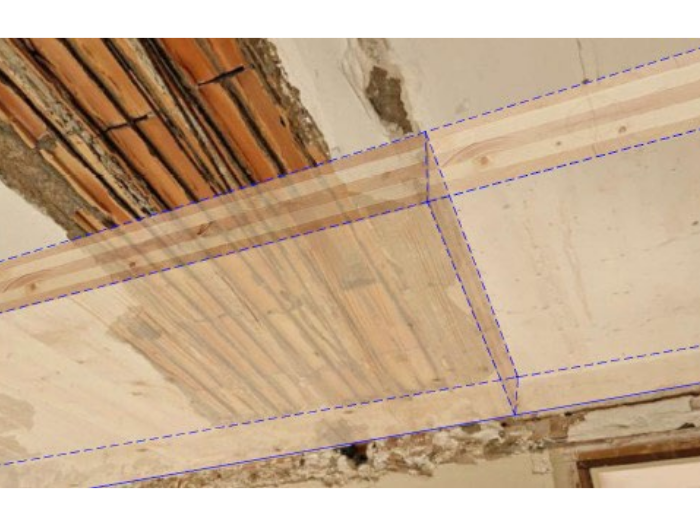
In this context, the RE-FESTA project (for its name in Catalan, REhabilitació amb Fusta EStructural TensoActivada) proposes an innovative alternative based on prestressed or stress-activated timber reinforcements applied to existing ceramic slabs. Through a controlled stressing process, the timber elements become structurally activated and begin to work in conjunction with the slab, improving its load-bearing capacity. The solution combines a renewable, low environmental impact material such as timber with a prestressing technique adapted to the specific characteristics of ceramic slabs.
This proposal adapts to different existing floor configurations, allows for rapid execution with minimal disruption during works and also contributes to improving the acoustic and thermal insulation of the upgraded buildings. In this way, it provides an integrated response to the structural, construction and environmental challenges associated with the rehabilitation of the existing building stock.
The result stands out for its potential for large-scale replication and its alignment with European objectives for building renovation and sector transition. The ability to operate in occupied buildings and the use of timber as the main structural material represent a significant advancement over conventional strengthening systems and open the door to new construction solutions with strong market potential.
Budget and Funding
RE-FESTA is part of the Industry of Knowledge 2024 call, under modality A. Llavor (2024 LLAV 00121), and has been funded by the Agency for Management of University and Research Grants (AGAUR) with a budget of €20,000. The project lasted six months (December 2024 – June 2025).
Related Projects
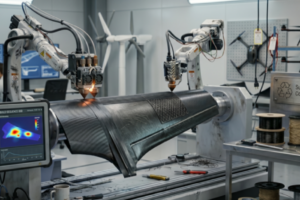
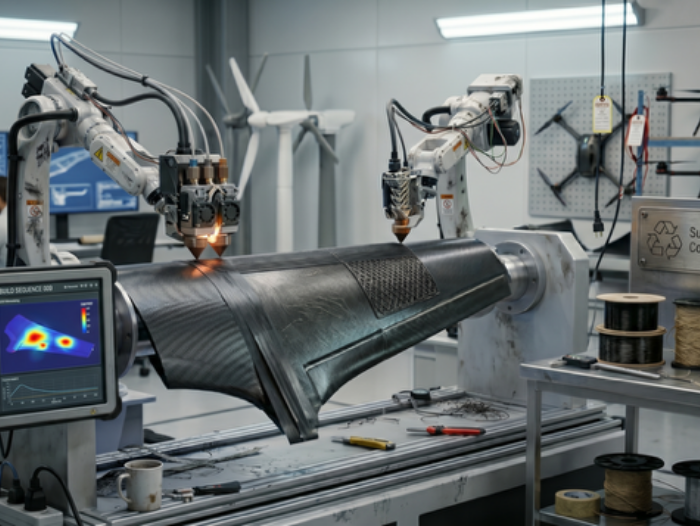
- The Control, Data and Artificial Intelligence (CoDAlab) research group at the Universitat Politècnica de Catalunya - BarcelonaTech (UPC) is taking part in the ATHENS project, which is developing recyclable thermoplastic composite materials with advanced real-time monitoring systems to improve the manufacture, safety and service life of lightweight structures.
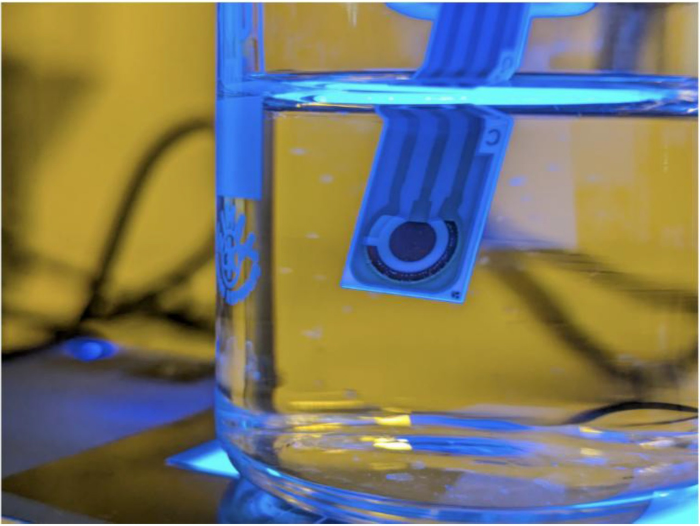
- The MICROTECH LAB - Microtechnology for the Industry research subgroup, part of the Centre for Advanced Technologies in Mechanics (CATMech) at the Universitat Politècnica de Catalunya - BarcelonaTech (UPC), is leading the technical development of a minimally invasive platform to monitor biomarkers and physiological indicators related to stress and emotional wellbeing.
- A research team from the Universitat Politècnica de Catalunya - BarcelonaTech (UPC) has participated in the M3LEC project, coordinated by the Centro de Astrobiología (CAB), a joint centre of the Spanish National Research Council (CSIC) and the Instituto Nacional de Técnica Aeroespacial (INTA), with the Universidad de Sevilla (US) / Instituto de Microelectrónica de Sevilla (IMSE) also participating. M3LEC aimed to contribute to the characterisation of the Martian atmosphere and meteorology, and to investigate new instrumentation for future planetary exploration missions.
- The Interdisciplinary Group on Building Science and Technology (GICITED) and the Energy, Catalysis, Process and Reaction Engineering (ENCORE) research group at the Universitat Politècnica de Catalunya - BarcelonaTech (UPC) are participating in the European ArchiSpace project, to develop infrastructure prototypes for human settlements in extraterrestrial environments using materials and conditions analogous to those on the Moon and Mars.