

FOREST MANAGEMENT
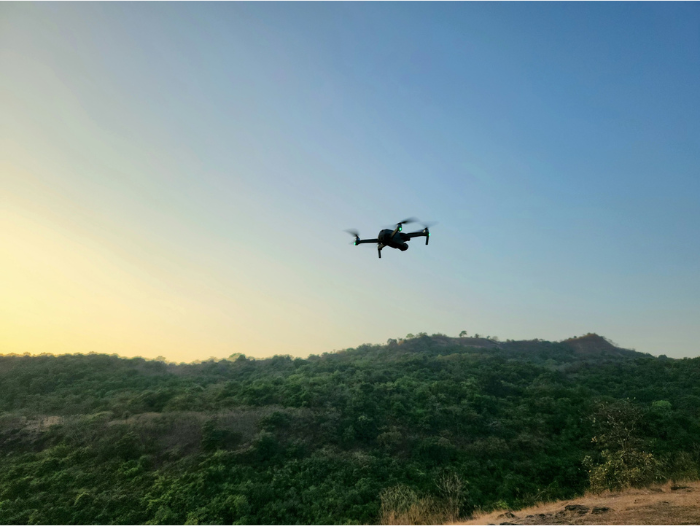
Territorial observation and environmental diagnosis
- Forest monitoring using satellite, radar and remote sensing
- Quantification of biomass and forest structure
- Detection of water stress, drought and soil degradation
- Identification of ecological points of no return
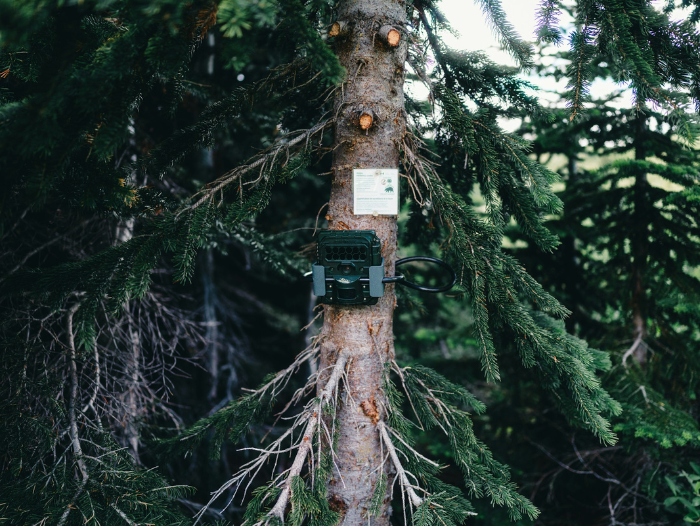
Vulnerability and self-protection in wildland-urban interfaces
- Assessment of building vulnerability to fire
- Neighbourhood self-protection protocols
- Risk management in wildland-urban interfaces and inhabited areas
- Assessment of the vulnerability of tourist establishments near forests
- Evacuation modelling in wildland-urban interface environments

Territorial analytics and decision support
- Integration of geospatial and environmental data for decision-making
- Decision-support systems for natural and technological risks
- Mapping of vulnerable elements

Preventive forest management and climate resilience
- Fire prevention strategies in forest ecosystems
- Extensive livestock farming to reduce undergrowth and fire risk
- Preventive management of the forest landscapes
- Climate resilience in forest ecosystems

Modelling of fires, pollutants and emergencies
- Prediction of fires and emergencies using artificial intelligence
- Simulation of the spread of fire and atmospheric pollutants
- Modelling using computational fluid dynamics
- Real-time emergency planning
FELLING AND FOREST UTILISATION
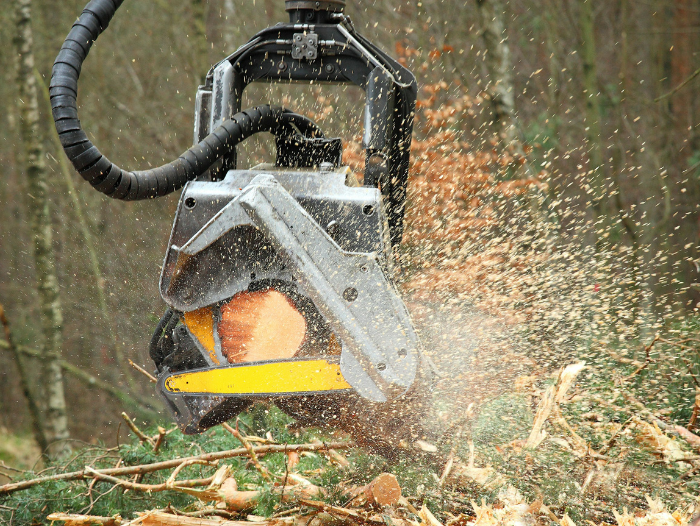
Utilisation and initial processing at source
- Intelligent and portable sawmills for advanced timber cutting
TRANSPORT AND LOGISTICS

Real-time optimisation of logistics routes
- Computational models for complex logistics routes
- Adaptive route optimisation
PRIMARY PROCESSING
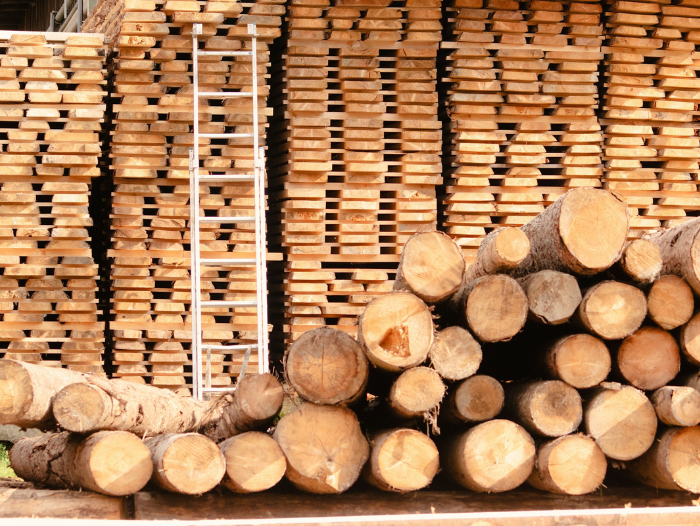
Automation of industrial equipment
- Development of industrial equipment and automation for the initial processing of timber
SECONDARY PROCESSING
Structural solutions and refurbishment
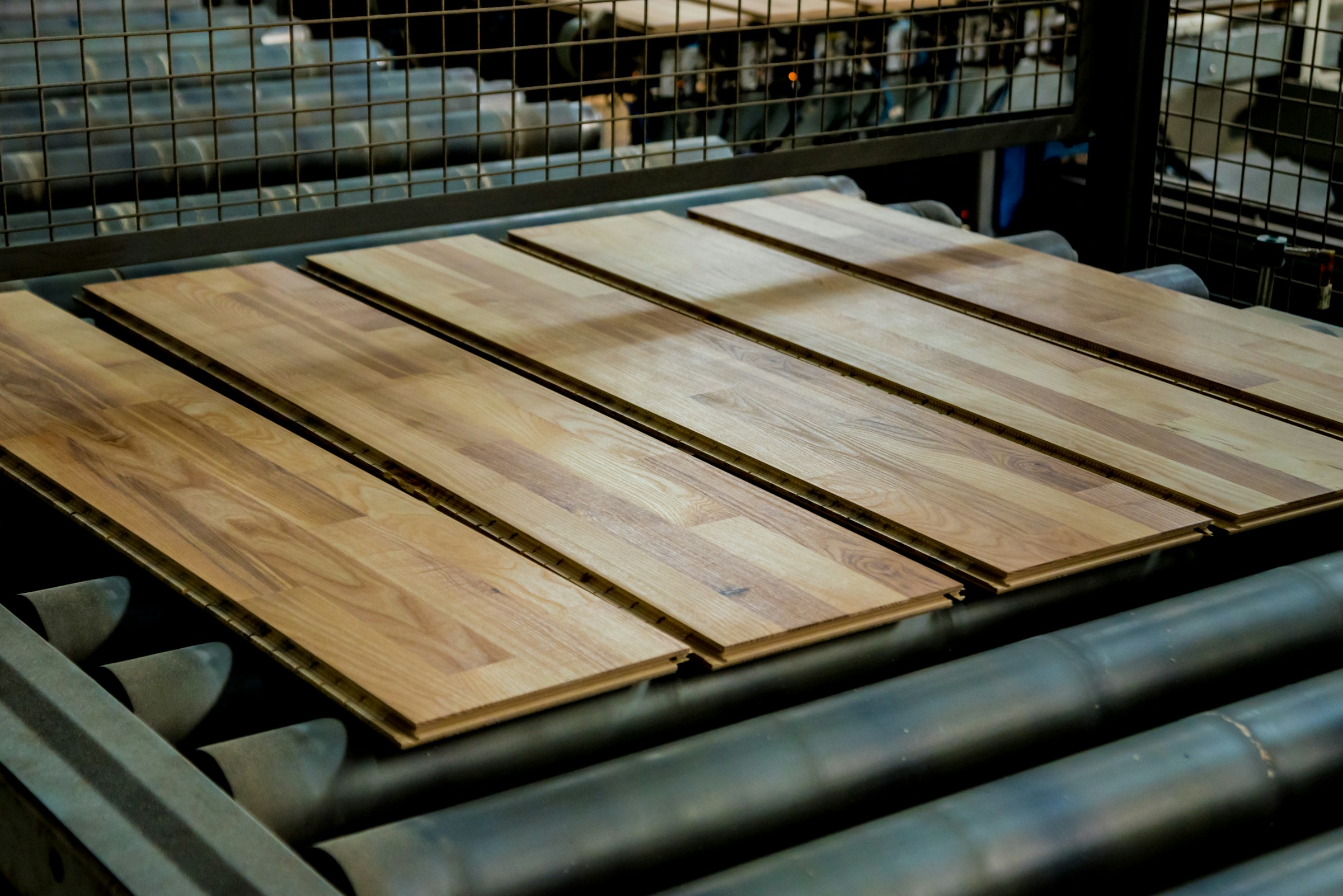
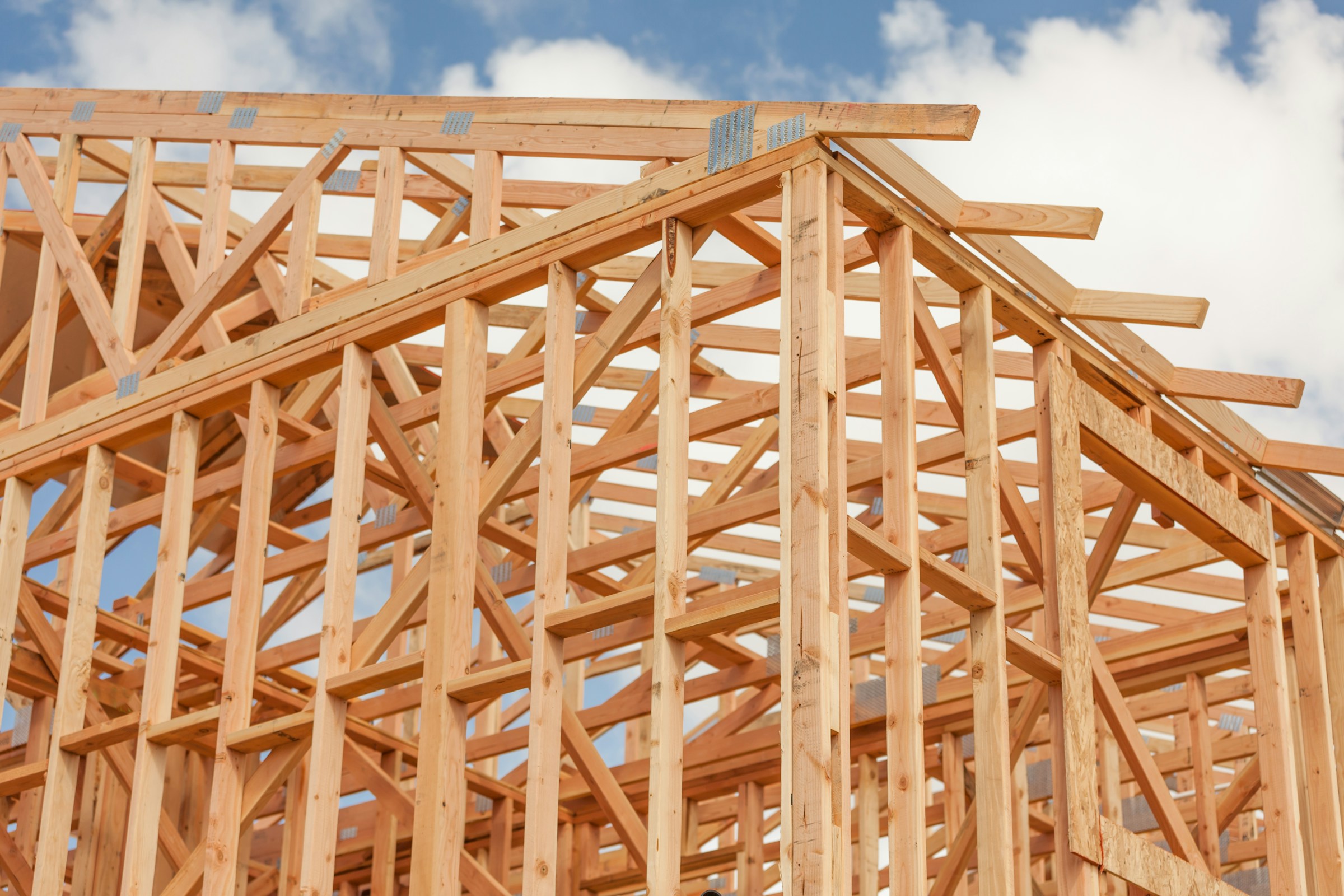
- Structural timber solutions for building construction
- Refurbishment of occupied floor slabs using prestressed and adaptable timber systems
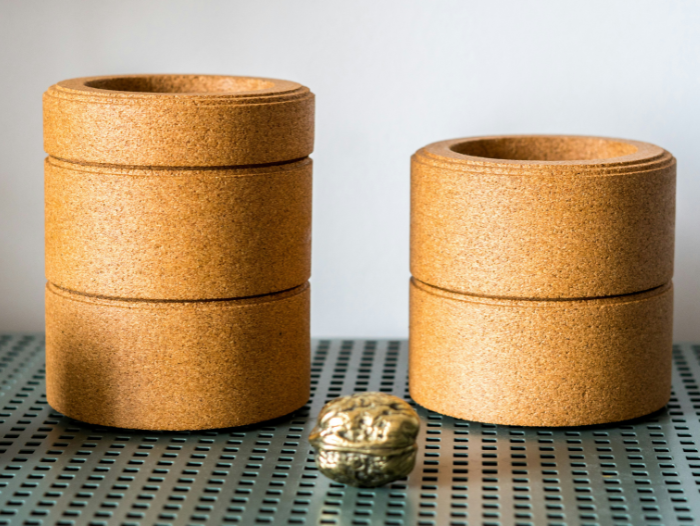
- Sustainable construction using wood- or cork-based materials
High-performance façades and envelopes
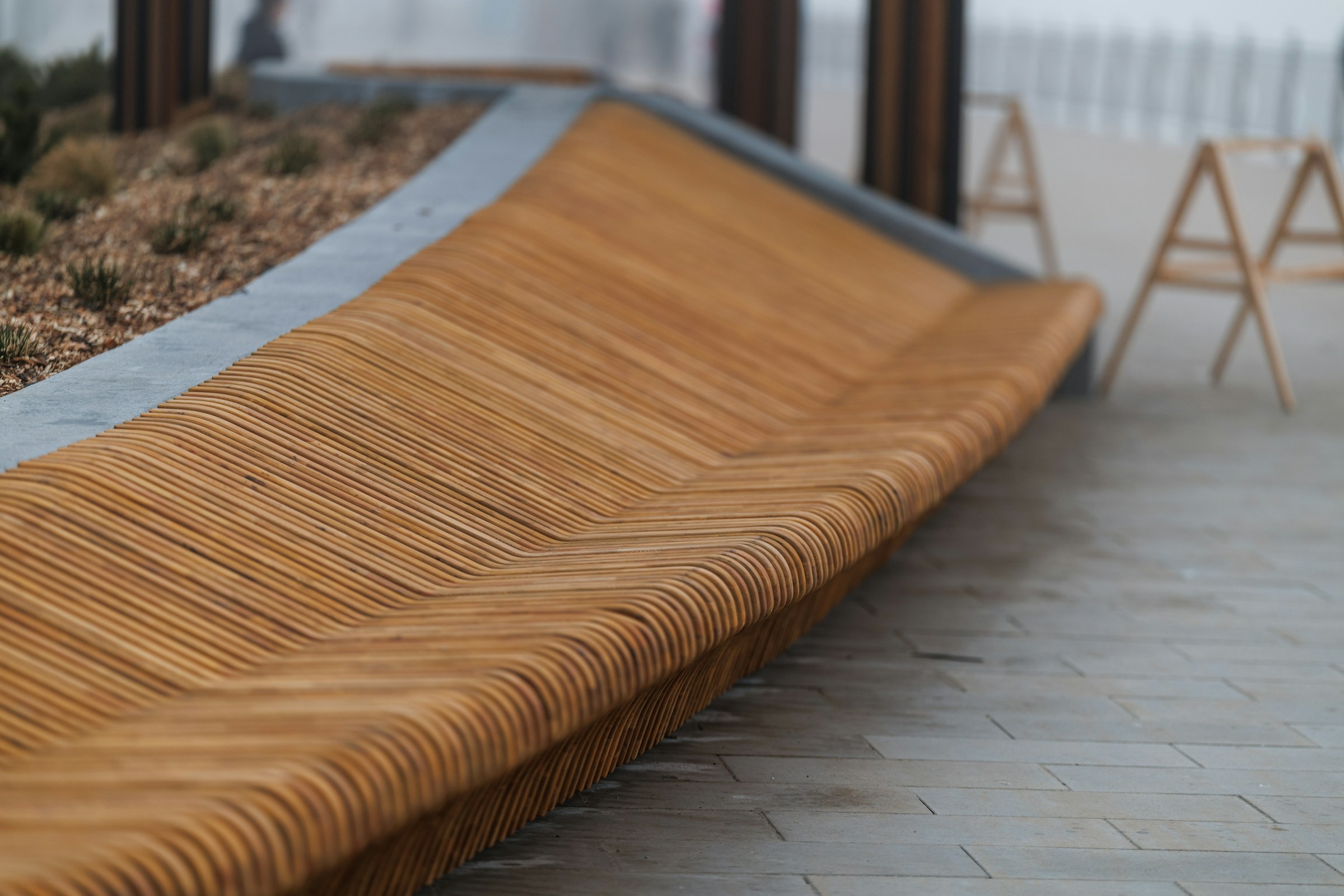
- Façade solutions with timber and biomaterials
- Impregnation of wood, bamboo and straw with natural retardants for façades with high fire resistance
- Façade solutions with urban acoustic absorption
- Modular timber façade system for intelligent climate regulation
Modular construction and bioclimatic refurbishment
- Self-supporting plug-in timber structures that can be attached to existing buildings
- Cistern, photovoltaic and vegetation kits to expand space and improve bioclimatic efficiency

Urban regeneration and green infrastructure
- Design and connection of urban green and blue infrastructure corridors
- Maximisation of biodiversity and local climate adaptation
- Urban regeneration with bio-based materials
- Regenerative architecture linked to decarbonisation and bioclimatic improvement
Intelligent selection of sustainable materials
- Machine-learning algorithms for selecting circular materials
- Simulation with virtual reality and life-cycle assessment at the design stage
Monitoring, durability and conservation of materials
- Submicroscopic analysis of the physicochemical degradation of heritage
- Use of FE-SEM and Synchrotron techniques in wood, ceramic and mural-painting heritage
- Recovery of traditional restoration techniques
RECYCLING AND VALORISATION

Circularity in building construction and material banks
- Robotic platforms and artificial intelligence to scan buildings undergoing demolition
- Quantification and cataloguing of recoverable components
- Creation of automatic BIM models to recover components as material banks
Cellulosic materials and biodegradable devices
- Printing of microcircuits on cellulose hydrogels
- Enzymatic manipulation with cellulases in cellulosic materials
- Transformation of cellulosic materials into advanced and eco-friendly bioproducts
Valorisation of waste, by-products and advanced biomaterials
- Biopolymers derived from forest waste for the manufacture of sustainable bituminous mixtures
- Replacement of cement and lime in roads with residual ash from paper mills
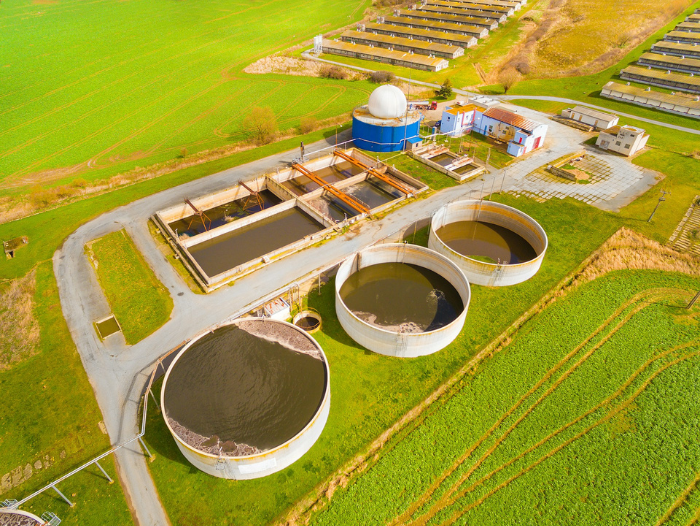
- Circular valorisation of cork waste for wastewater treatment and energy generation
- Synthesis of smart thermoplastic elastomers from cellulose nanocrystals
- Formulation of bio-based flame retardants
- Cooling materials based on natural rubber as an alternative to hydrofluorocarbons (HFCs)
- Natural and waste rubber compounds for sustainable cooling based on elastocaloric and barocaloric effects, with high fatigue resistance, compressibility and performance
- Sustainable natural rubber compounds with cellulose nanocrystals to improve fatigue and wear resistance, replacing carbon black
- Advanced valorisation of tyre waste through the development of high-performance recycled rubber blends and thermoplastic elastomers with improved impact resistance, fatigue resistance and elastocaloric properties
COMMERCIALISATION AND DISTRIBUTION

Product digitalisation, specification and transfer
- Structuring of data and ontologies to facilitate the integration of construction solutions in digital environments
- Architectural modelling and graphic design integrated into BIM
- BIM plug-in tools for the digital assessment of life cycle, energy efficiency, stored carbon and environmental footprint
- Digital twins in construction
- Training and adoption of timber-construction technologies
Related Projects:
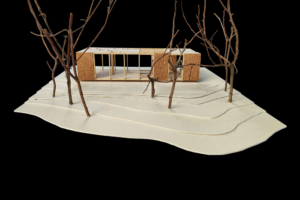
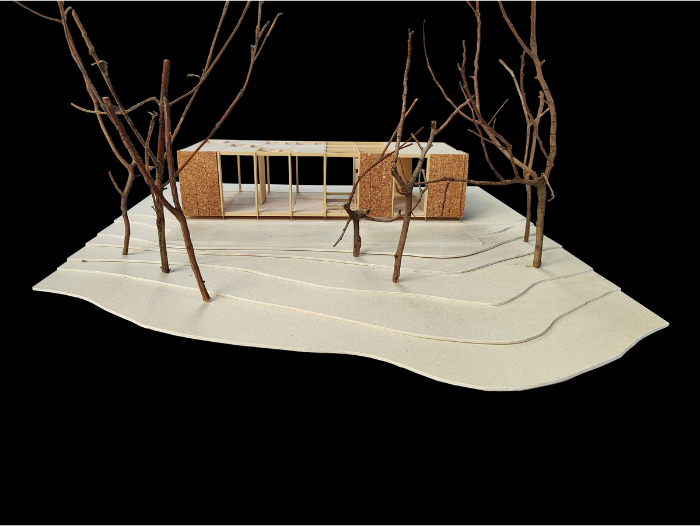
- The Casa Bosc project explores a lightweight, modular and prefabricated timber construction system designed to reduce the environmental impact of housing while making it easier to build and adapt to different contexts. The project has been developed by researchers from the Architectural Rehabilitation and Restoration Research Group (REARQ) at the Universitat Politècnica de Catalunya - BarcelonaTech (UPC) and the company ÀGORA.
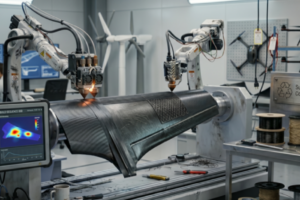
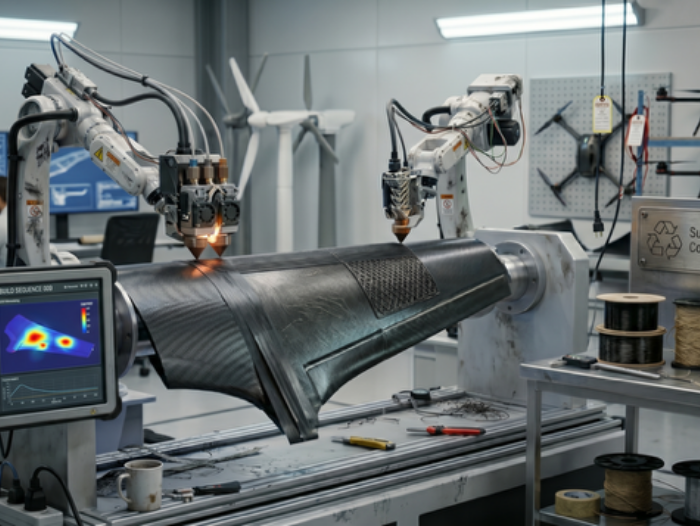
- The Control, Data and Artificial Intelligence (CoDAlab) research group at the Universitat Politècnica de Catalunya - BarcelonaTech (UPC) is taking part in the ATHENS project, which is developing recyclable thermoplastic composite materials with advanced real-time monitoring systems to improve the manufacture, safety and service life of lightweight structures.
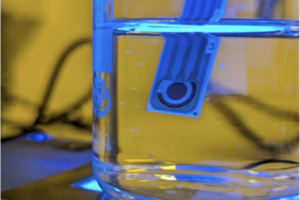
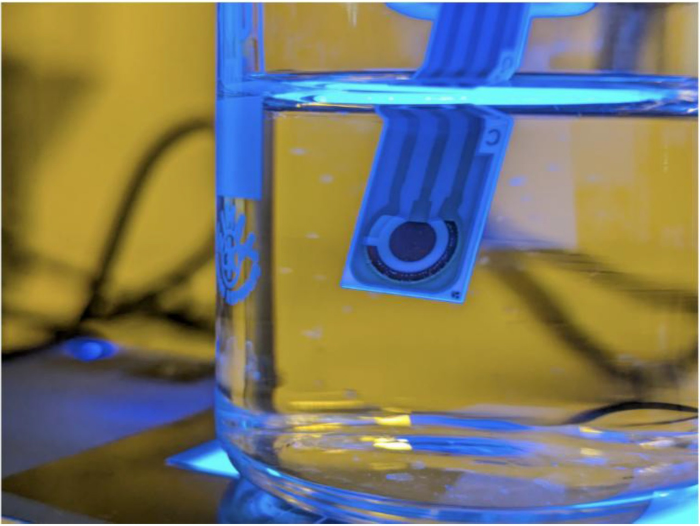
- The MICROTECH LAB - Microtechnology for the Industry research subgroup, part of the Centre for Advanced Technologies in Mechanics (CATMech) at the Universitat Politècnica de Catalunya - BarcelonaTech (UPC), is leading the technical development of a minimally invasive platform to monitor biomarkers and physiological indicators related to stress and emotional wellbeing.
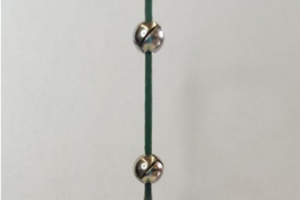
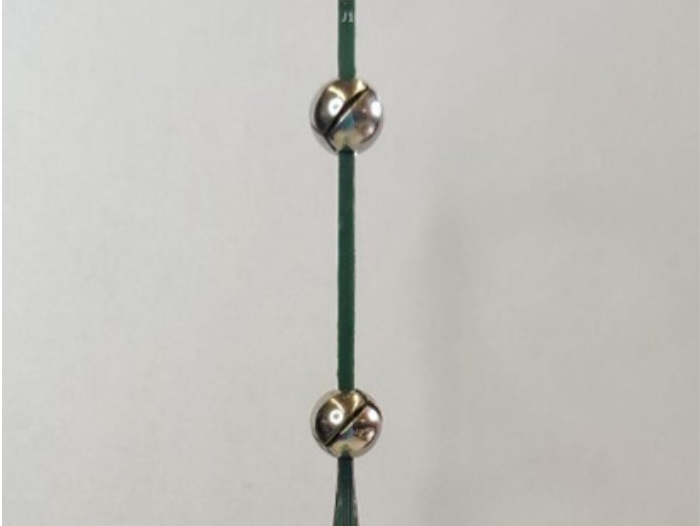
- A research team from the Universitat Politècnica de Catalunya - BarcelonaTech (UPC) has participated in the M3LEC project, coordinated by the Centro de Astrobiología (CAB), a joint centre of the Spanish National Research Council (CSIC) and the Instituto Nacional de Técnica Aeroespacial (INTA), with the Universidad de Sevilla (US) / Instituto de Microelectrónica de Sevilla (IMSE) also participating. M3LEC aimed to contribute to the characterisation of the Martian atmosphere and meteorology, and to investigate new instrumentation for future planetary exploration missions.