

VINNEA: Advanced digital technologies for more efficient and automated viticulture
July 9, 2026
MARIA: A portable, flexible and radiation-free device to improve the early detection of breast cancer
July 20, 202614/07/2026
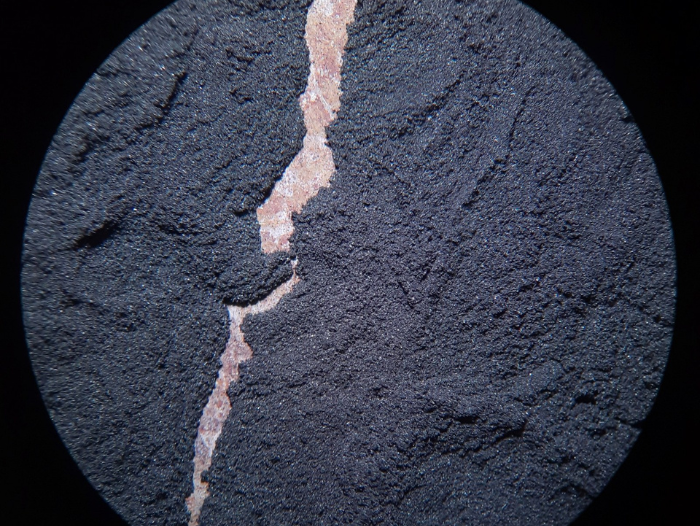
The Research Group in Smart and Sustainable Resources and Industries (RIIS) at the Universitat Politècnica de Catalunya - BarcelonaTech (UPC) is developing the ZeroCarbonPave project, which aims to assess the feasibility of incorporating biochar as filler and/or as the fine fraction of granular material in bituminous mixtures, with the objective of reducing the carbon footprint associated with the manufacture and laying of road pavements.
The decarbonisation of road infrastructure is a growing challenge for public authorities, construction companies and stakeholders involved in road maintenance. Bituminous mixtures remain a key material for pavement construction and maintenance, but their manufacture generates CO₂ emissions that need to be reduced. In this context, ZeroCarbonPave is exploring an innovative approach: using biochar produced through biomass pyrolysis as a substitute for conventional filler in bituminous mixtures.
Biochar is characterised by its high content of carbon of biogenic origin. If this carbon remains encapsulated and permanently stored within the pavement, it could help offset part of the emissions generated during the manufacture and laying of the mixtures. In addition, roads, as infrastructure under the permanent control of public authorities, could potentially act as repositories of embedded carbon and even open the way for its valorisation in voluntary carbon markets.
The project will study different types of biochar, as their behaviour may vary depending on the origin of the material. In an initial phase, they will be physically characterised by analysing properties such as specific surface area, bulk density, particle size and particle-size distribution. The optimal biochar content for manufacturing bituminous mixtures will then be determined using the UCL method (Universal Binder Characterisation method) under different test conditions: unconditioned, wet, short-term aged and long-term aged mixtures.
Once this optimal content has been established, the mechanical performance of the mixtures manufactured with biochar will be assessed. Their durability will be analysed, including resistance to water action, resistance to permanent deformation, the cracking process and fatigue performance. The behaviour of the mastic will also be studied using the EBADE test, developed at the Roads Laboratory of the UPC School of Civil Engineering. This involves subjecting a cylindrical mastic specimen to tension-compression cycles with increasing strain and assessing its fatigue resistance.
ZeroCarbonPave also includes an environmental characterisation of the designed mixtures. Leaching studies will be carried out to determine whether the biochars used may pose any environmental risk, together with a life-cycle assessment to quantify the environmental impact of the mixtures, taking into account pavement production, construction and service life. The permanence of the embedded carbon and its potential contribution to the new and reused mixtures will also be analysed.
RIIS contributes its expertise in assessing pavement failure and service life, as well as in developing more sustainable bituminous mixtures through emissions reduction, the recycling of aged materials, the reuse of waste and increased durability.
The project’s initial results have reduced the carbon footprint of bituminous mixture production by 72.5% using biochar produced through the pyrolysis of olive stones. These results have been published in the Journal of Cleaner Production.
Budget and Consortium
ZeroCarbonPave is a project funded by the Spanish State Research Agency and involves collaboration with Carboliva, Carbon Vivo or Livingchar, and Euthenia for the supply of biochar from different sources.
The project runs for three years, from September 2024 to August 2027, and has a total budget of €121,875.


Sector
You want to know more?
Related Projects
- The Center for Industrial Diagnostics (CDIF) and the Energy Processing and Integrated Circuits (EPIC) group at the Universitat Politècnica de Catalunya - BarcelonaTech (UPC) are participating in FLEXHYBAT (Design and control of flexible hydropower plants by hybridisation with second life batteries), a project exploring the hybridisation of hydropower plants with second-life batteries to improve their flexibility, efficiency and durability.
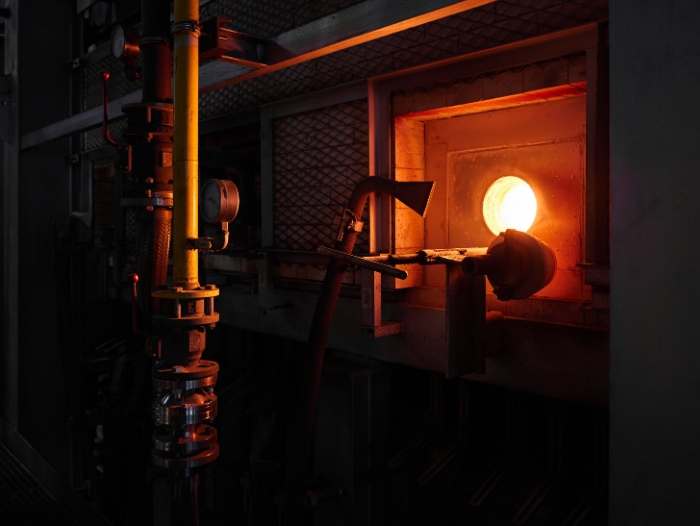
- The Centre for Technological Innovation in Static Converters and Drives (CITCEA) at the Universitat Politècnica de Catalunya - BarcelonaTech (UPC) participates in the H2GLASS project, which aims to accelerate decarbonisation in the glass industry through the development and application of the new technologies needed to achieve complete hydrogen (H₂) combustion in glass or steel production facilities.
- The Group of Construction Research and Innovation (GRIC) at the Universitat Politècnica de Catalunya - BarcelonaTech (UPC) leads the RESILIENT project, which develops advanced models and methodologies to assess climate-resilience strategies in buildings and optimise decision-making.
- A research team from the Sustainable Construction Engineering Group (ECS) at the Universitat Politècnica de Catalunya - BarcelonaTech (UPC), together with the Catalan company La Farga, a manufacturer of copper products and semi-finished copper products and a leader in copper recycling, has taken part in the development of a solution to use slag from the copper refining process as new materials and to optimise the use of natural resources in industry. Through this project, La Farga aims to valorise this slag for high added-value industrial applications, such as conductive cements used to manufacture road pavements or industrial sensing products.