

MARIA: A portable, flexible and radiation-free device to improve the early detection of breast cancer
July 20, 2026
M3SENS: Advanced sensors to characterise the surface and subsurface in planetary missions
September 2, 202601/09/2026
The Interdisciplinary Group on Building Science and Technology (GICITED) and the Energy, Catalysis, Process and Reaction Engineering (ENCORE) research group at the Universitat Politècnica de Catalunya - BarcelonaTech (UPC) are participating in the European ArchiSpace project, to develop infrastructure prototypes for human settlements in extraterrestrial environments using materials and conditions analogous to those on the Moon and Mars.
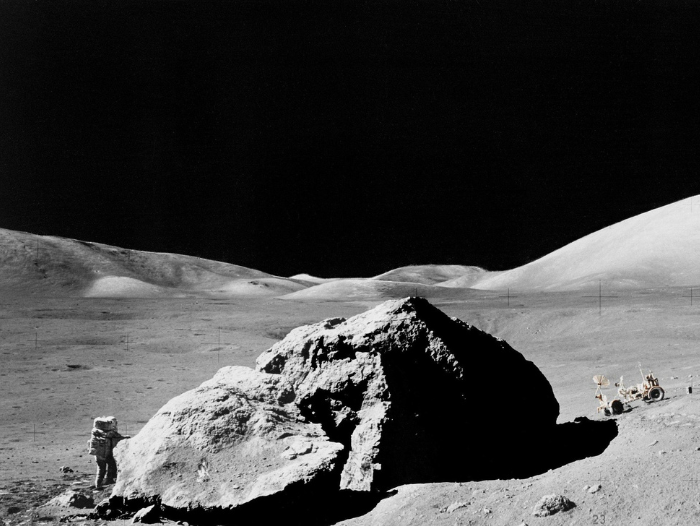
Humanity’s return to the Moon with a view to establishing a lasting presence poses a highly complex technological challenge: how to design safe, comfortable and functional habitats in extreme environments, with limited resources and geological, environmental and operational conditions that differ greatly from those on Earth. Future settlements on the Moon and Mars will need to protect astronauts from risks arising from extreme environmental conditions while also providing suitable spaces for work, everyday life and psychological wellbeing during long-duration missions.
In this context, the ArchiSpace project proposes a new way of approaching the design of space infrastructure: analysing geological and environmental settings to define the architectural and construction requirements of future habitats. The project will design and build prototypes of essential subsystems —such as walls, roofs, foundations and habitable spaces— based on the conditions in planetary analogue environments. These conditions will be simulated at terrestrial sites (in the Canary Islands and Morocco) whose characteristics are similar to those found on the Moon or Mars.
ArchiSpace’s innovation lies in integrating knowledge of geology, planetary science, architecture, engineering and advanced manufacturing from the outset of the design process. This approach makes it possible to adapt architectural solutions to the specific characteristics of the deployment site, taking into account factors such as ground conditions, the availability of local materials, mechanical durability, material behaviour, and the ergonomic and functional needs of future users. The project also explores the use of resources available within the environment itself and technologies such as 3D printing to reduce dependence on materials transported from Earth.
The UPC contributes expertise in resource exploration, construction materials, building technology and sustainable construction solutions. In particular, the expertise associated with GICITED and the EPSEB-UPC Materials Laboratory is relevant to analysing the mechanical and structural behaviour of materials, studying low-impact alternatives and helping to define construction criteria applicable both to extreme environments and to new models of sustainable building on Earth. In parallel, ENCORE researchers have recognised experience in space exploration missions and in processing planetary resources to develop construction solutions. This capability is directly linked to one of the project’s objectives: developing space habitats through lighter, lower-cost operations with a reduced environmental impact.
Beyond space exploration, ArchiSpace aims to generate knowledge that can be transferred to terrestrial sectors operating in extreme conditions or under strict sustainability criteria, such as construction in remote areas, emergency architecture, building with local materials and reducing the environmental impact of construction systems.
Budget and Consortium
ArchiSpace is funded by the Horizon Europe programme under the Marie Skłodowska-Curie Actions – Staff Exchanges. It will run for 48 months (November 2024-October 2028) and has a budget of €1,485,800. The project is coordinated by IRSPS SRL (Italy) and, in addition to the UPC, includes TU Delft (the Netherlands), Universidade Portucalense Infante D. Henrique (Portugal), Université Claude Bernard Lyon 1 (France), HUN-REN Csillagászati és Földtudományi Kutatóközpont (Hungary), Università degli Studi “Gabriele d’Annunzio” di Chieti-Pescara (Italy), the Canary Islands Volcanology Institute (INVOLCAN) and Université Cadi Ayyad (Morocco).


This project has received funding from the European Union’s Horizon 2023 research and innovation programme under HORIZON-MSCA-2023-SE-01 grant agreement No 101183089. This website reflects only the author's view. The Research Executive Agency (REA) is not responsible for any use that may be made of the information it contains.
Copyright © 2026 ArchiSpace | Powered by ArchiSpace
Related Projects
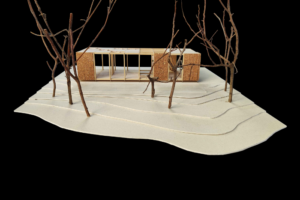
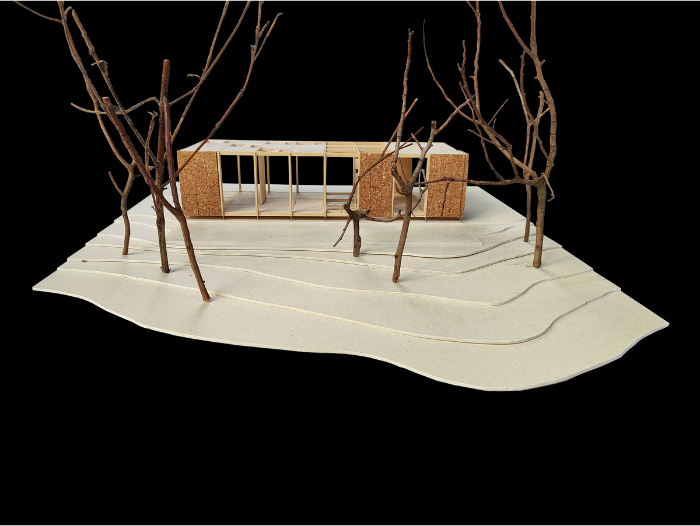
- The Casa Bosc project explores a lightweight, modular and prefabricated timber construction system designed to reduce the environmental impact of housing while making it easier to build and adapt to different contexts. The project has been developed by researchers from the Architectural Rehabilitation and Restoration Research Group (REARQ) at the Universitat Politècnica de Catalunya - BarcelonaTech (UPC) and the company ÀGORA.
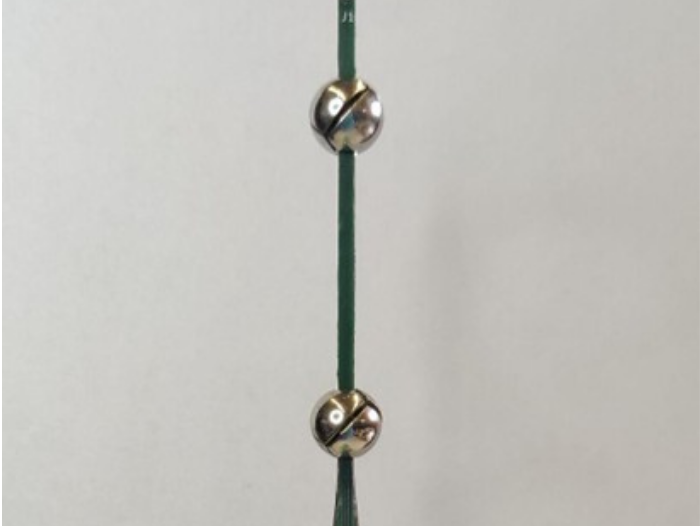
- A research team from the Universitat Politècnica de Catalunya - BarcelonaTech (UPC) has participated in the M3LEC project, coordinated by the Centro de Astrobiología (CAB), a joint centre of the Spanish National Research Council (CSIC) and the Instituto Nacional de Técnica Aeroespacial (INTA), with the Universidad de Sevilla (US) / Instituto de Microelectrónica de Sevilla (IMSE) also participating. M3LEC aimed to contribute to the characterisation of the Martian atmosphere and meteorology, and to investigate new instrumentation for future planetary exploration missions.
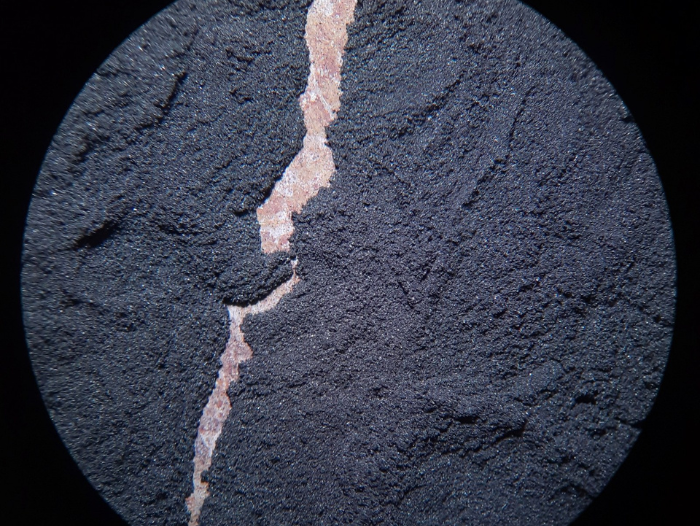
- The Research Group in Smart and Sustainable Resources and Industries (RIIS) at the Universitat Politècnica de Catalunya - BarcelonaTech (UPC) is developing the ZeroCarbonPave project, which aims to assess the feasibility of incorporating biochar as filler and/or as the fine fraction of granular material in bituminous mixtures, with the objective of reducing the carbon footprint associated with the manufacture and laying of road pavements.
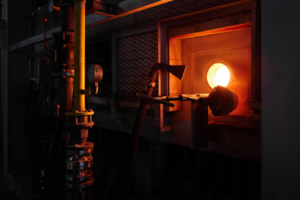
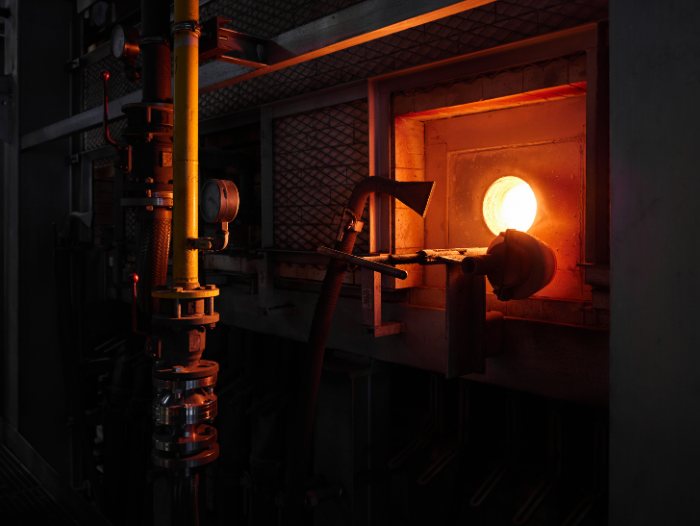
- The Centre for Technological Innovation in Static Converters and Drives (CITCEA) at the Universitat Politècnica de Catalunya - BarcelonaTech (UPC) participates in the H2GLASS project, which aims to accelerate decarbonisation in the glass industry through the development and application of the new technologies needed to achieve complete hydrogen (H₂) combustion in glass or steel production facilities.