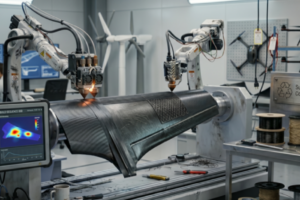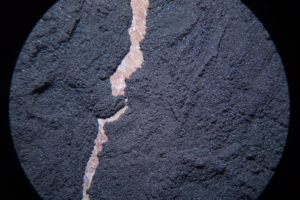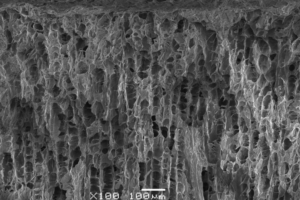


Materials which are formed by the joining of two materials to achieve the combination of properties that cannot be obtained in the original materials. These materials offer the great advantage, a significant design flexibility. This means that there is the possibility to design and manufacture the material according to the exact specifications required. This possibility is much more important than it might seem at first, since it implies that, starting from the most efficient design (ex aerospace structures, a car, the hull of a boat or an electric motor), can manufacture material likely to build such a device. These compounds can be selected to achieve unusual combinations of stiffness, strength, weight, high temperature performance, corrosion resistance, conductivity or hardness.
Typical composite materials are:
- Composite building materials (concrete, concrete, ...)
- Fiber Reinforced Plastics
- Metal compounds
- Ceramic Composites
Composite materials are used in the automotive, marine, aviation, aerospace, electronics, orthopedic surgery, sports equipment and construction, replacing metals and other materials in many applications.
CIT UPC we provide companies and institutions our knowledge and experience in the field of composite materials, in Materials Technology, offering:
- The study of structure and structural integrity, reliability and service performance of metal matrix composites, ceramic matrix composites and ceramic nanocomposite.
- Coatings and multilayer materials (thermal barriers, piles of solid oxide fuel, ...).
- Development of new characterization techniques in micro and nano mechanics.
- Development of nano-structured compounds.
- Foams multifunctional.
- Bio compounds. Design and characterization of biomaterials for replacement, regeneration and / or repair tissue and organ function, and controlled drug release.
RELATED PROJECTS
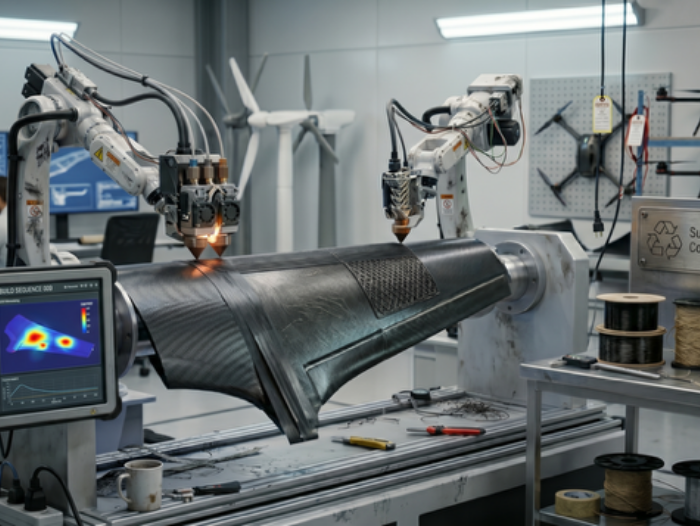
- The Control, Data and Artificial Intelligence (CoDAlab) research group at the Universitat Politècnica de Catalunya - BarcelonaTech (UPC) is taking part in the ATHENS project, which is developing recyclable thermoplastic composite materials with advanced real-time monitoring systems to improve the manufacture, safety and service life of lightweight structures.
- The Research Group in Smart and Sustainable Resources and Industries (RIIS) at the Universitat Politècnica de Catalunya - BarcelonaTech (UPC) is developing the ZeroCarbonPave project, which aims to assess the feasibility of incorporating biochar as filler and/or as the fine fraction of granular material in bituminous mixtures, with the objective of reducing the carbon footprint associated with the manufacture and laying of road pavements.
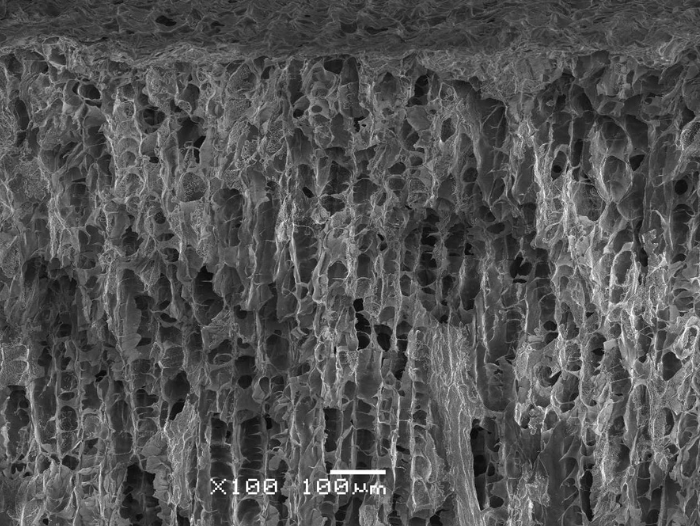
- The e-PLASCOM research group at the Universitat Politècnica de Catalunya - BarcelonaTech (UPC) is developing a solution based on biodegradable sodium alginate and gelatin aerogels for the purification of non-potable water and desalination using solar energy.
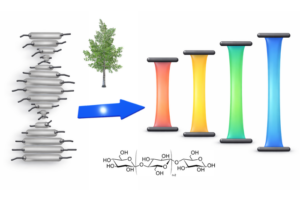
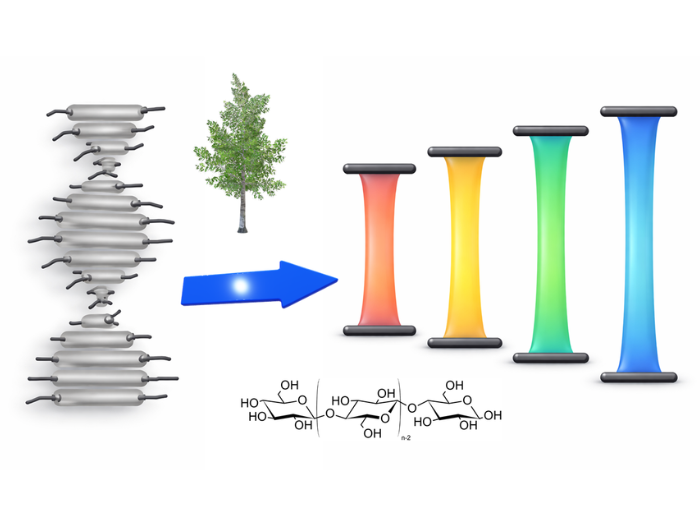
- The Materials Interfaces and Colloid Engineering group (INTERCOLL) at the Universitat Politècnica de Catalunya - BarcelonaTech (UPC), in collaboration with the Life Cycle Thinking group at the University of the Basque Country (EHU), are taking part in the BIOCHOLESTEROID project to develop new bio-based smart materials with optical response for advanced applications.