

GroPeRBot: An autonomous robotic system to detect soil humidity using georadar technology
December 20, 2022
MARLIT: Improve protection, monitoring and prevention in the face of risks of ocean storms with a high impact on the coast
December 21, 202220/12/2022
Climate change is dramatically affecting coastal zones. Storms are altering beaches and urban installations on the coastline, producing serious damage to marine ecosystems caused by pollution.
In this regard, the establishment of artificial reefs has been found to be an effective technology to protect the coastline and restore the damaged ecosystems. The materials that are used to construct artificial reefs include rocks, ash blocks or even old wood and tyres. Today, several companies are specialised in the design, manufacture and deployment of long-lasting artificial reefs that tend to be constructed with limestone, steel and concrete.
Currently, some waste materials are causing a great environmental problem. This is the case of waste such as slag that is generated in steel production. It is also the case of the millions of tonnes of dust, sand and gravel that are generated in quarries and cannot be sold. This waste ends up in landfill, which worsens the environmental problem.
White slag (waste from secondary metallurgy, also called the refining stage, during steel production) cannot be used in the construction industry, mainly due to its low structural strength. Instead, it is possible to develop a concrete mix from this waste that can be used in 3D manufacturing on a large scale to produce artificial reefs.
In this context, the Technological Development Centre for Remote Acquisition and Data Processing Systems (SARTI) and the CATMech group of the UPC are participating in the SLAGREEF project (3D slag concrete manufacturing solutions for marine biotopes). SLAGREEF proposes the use of a slag-concrete compound obtained from waste from the Spanish steel production industry. This compound can be used to produce a mix that can be 3D printed at large scale.
SARTI’s contribution is focused on the development of advanced ecological monitoring systems and methods of simulation and statistical analysis for assessing the potential of artificial reefs in the OBSEA submarine observatory. CATMech will research the ideal composition of the mix that will then be 3D printed for the construction of artificial biotopes.
Expected results
A new material will be developed, formed of concrete with aggregates of slag from the steel industry and limestone waste from quarries. This material will enable artificial reefs to be produced for marine biotopes. The subaquatic behaviour of the submerged structure will be monitored through new technologies that do not have an impact on the ecosystems, such as video cameras and environmental sensors.
In this way, the following will be achieved:
- Address a circular economy solution for slag from furnaces and quarry waste.
- Promote automation of 3D printing on a large scale and digital solutions.
- Develop new seabed structures that are compatible with advanced ecological monitoring systems, and tools for assessing the potential of artificial reefs in restoration.
- Protect costal environments from climate change.
Budget and funding
The total budget for the project is €189,520, funded by the Ministry of Economy, Industry and Competitiveness. SLAGREEF started in December 2022 and will end in November 2024.
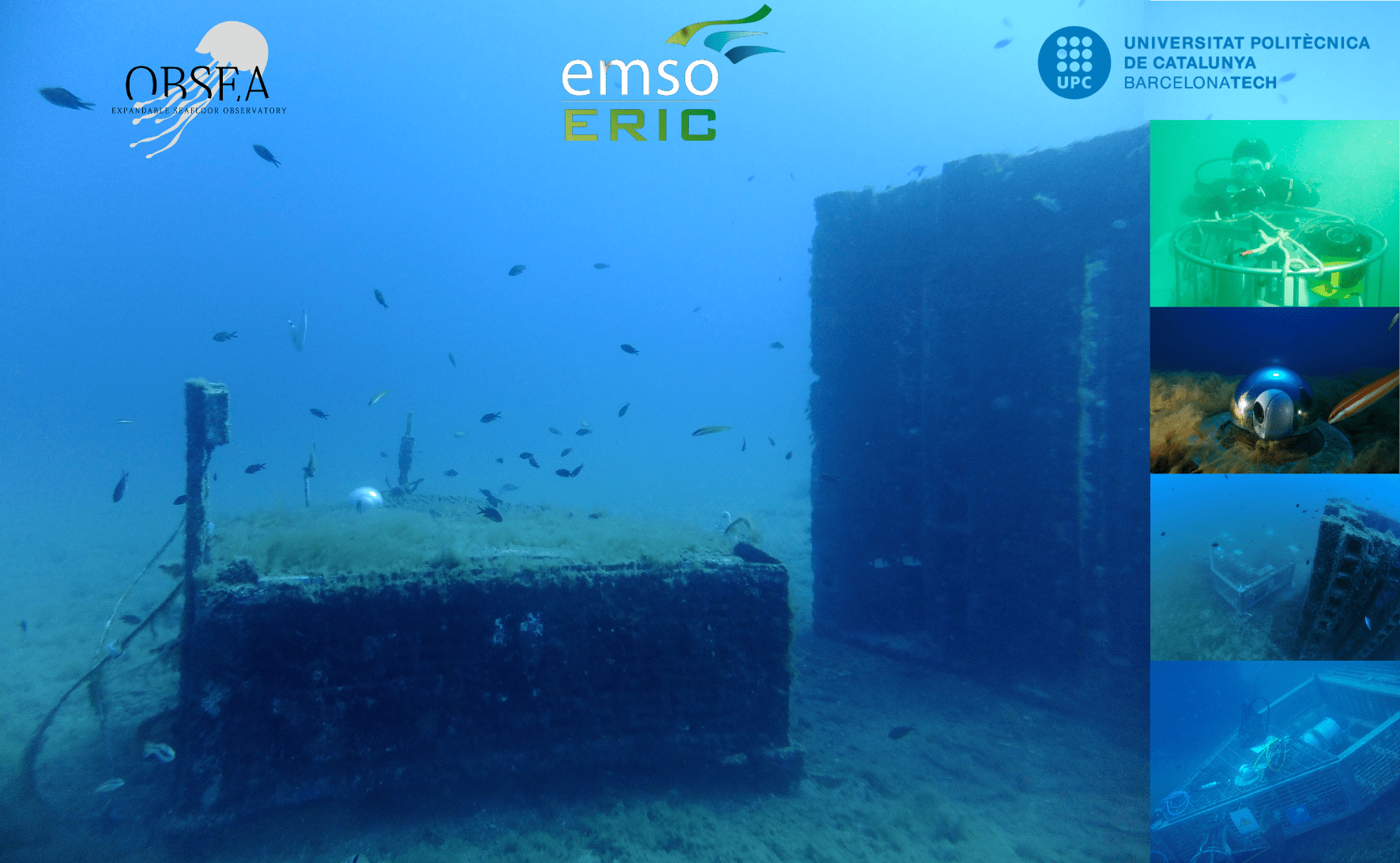
Installation of the OBSEA of the UPC.

Facilities for 3D printing of the UPC.
You want to know more?
Related Projects
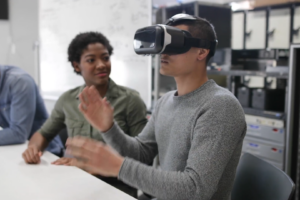
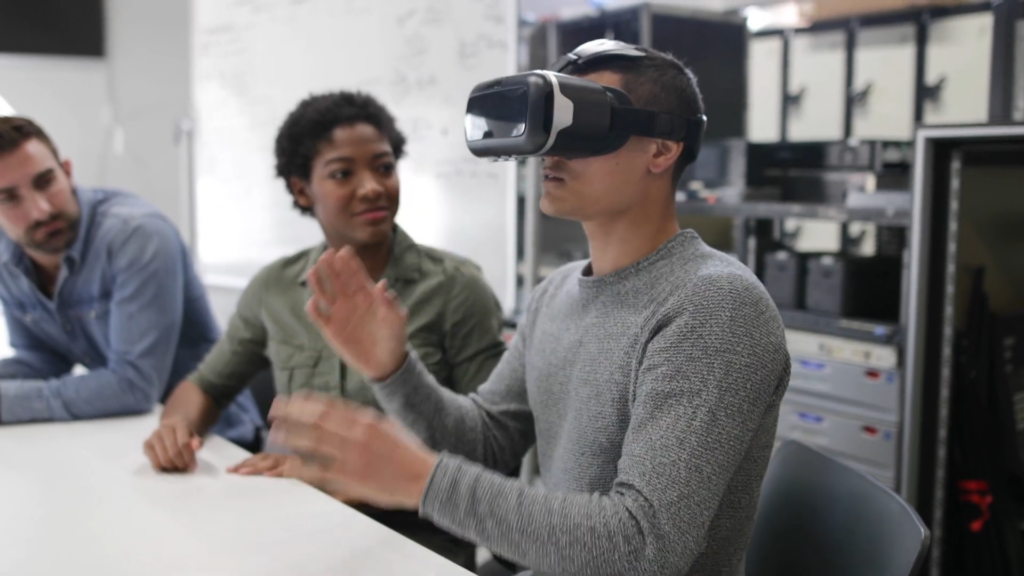
- The Visualisation, Virtual Reality and Graphic Interaction Research Group (ViRVIG) at the Universitat Politècnica de Catalunya - BarcelonaTech (UPC) has participated in the XR4ED project, an initiative that connects the educational technology (EdTech) and Extended Reality (XR) sectors, with the aim of transforming learning and training across Europe.
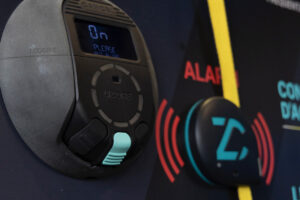
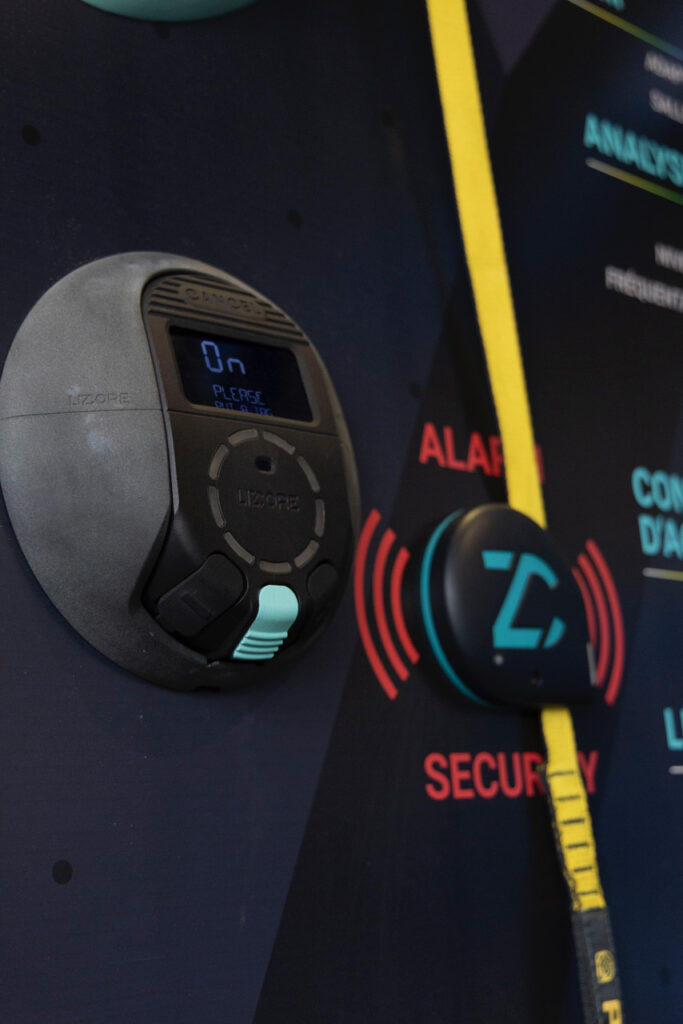
- The inLab FIB at the UPC has collaborated with Lizcore® for the development of a proof of concept based on artificial intelligence to improve safety in climbing with autobelay devices. The system allows the automatic and accurate detection of risk situations before starting a route.
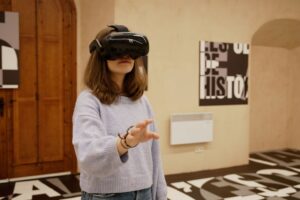
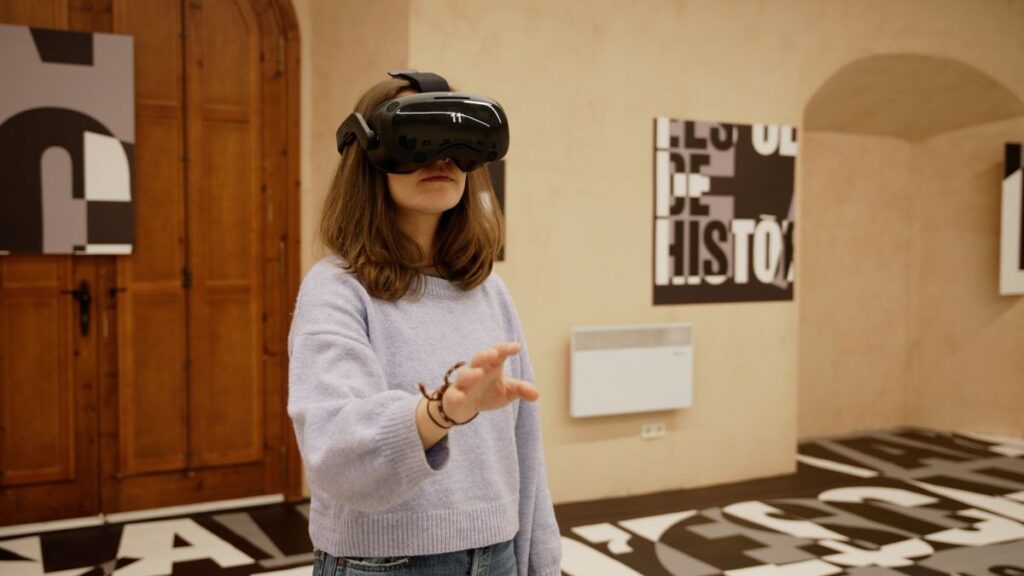
- Researchers from the Centre for Image and Multimedia Technology of the UPC (CITM) and from the DiCode research group (Digital Culture and Creative Technologies Research Group) of the Universitat Politècnica de Catalunya – BarcelonaTech (UPC) have worked on the project The Eyes of History, an initiative of the Catalan Agency for Cultural Heritage that offers an immersive view of Catalan cultural heritage. It is especially aimed at the first and second cycles of secondary education and was created to bring heritage into the classroom. Its goal is to bring the history and monuments of Catalonia closer in a vivid and innovative way, using tools such as virtual reality and new museographic narratives.
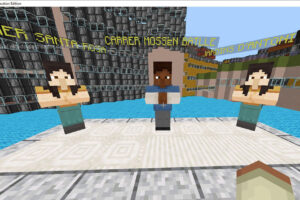
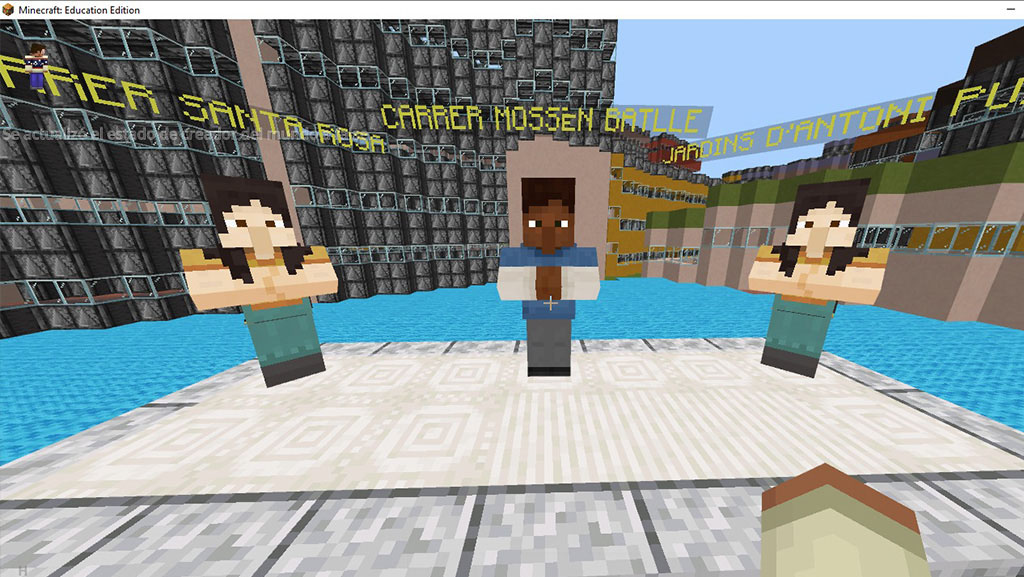
- City and Play is a social action project coordinated by researchers from the Centre for Image and Multimedia Technology (CITM) and the DiCode research group (Digital Culture and Creative Technologies Research Group) of the Universitat Politècnica de Catalunya – BarcelonaTech (UPC), the Universitat Oberta de Catalunya (UOC) and the University of Barcelona (UB), and funded by Barcelona City Council. The aim of the project is to promote civic competences and reflection on the urban environment among adolescents through the creation of an open framework that uses methodologies based on play, co-creation and storytelling.