

OCEAN: Application for Optimising Energy Consumption in High-Power Electrical Devices
May 8, 2025
HARMONIZE: Enhanced membrane distillation and crystallisation technologies for added-value ammonia products recovery approaching zero waste
May 13, 202512/05/2025
The digitalisation of human senses has advanced significantly in areas such as vision, hearing and touch. However, smell and taste continue to present a technological challenge, as their analysis relies on the identification of volatile or dissolved chemical compounds. While there are various sensors on the market capable of detecting specific gases and substances, they often lack the versatility required for comprehensive recognition of complex odours, showing limitations in adapting to different combinations of compounds.
In the field of artificial olfactory detection, various technologies have been explored that make use of the interaction between volatile compounds and sensing surfaces, generating changes in electrical properties such as conductivity. These phenomena—affected by factors like temperature and compound concentration—provide data that can be analysed to identify odours.
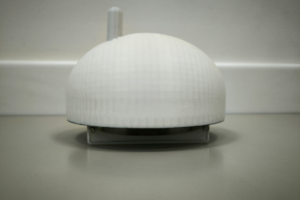
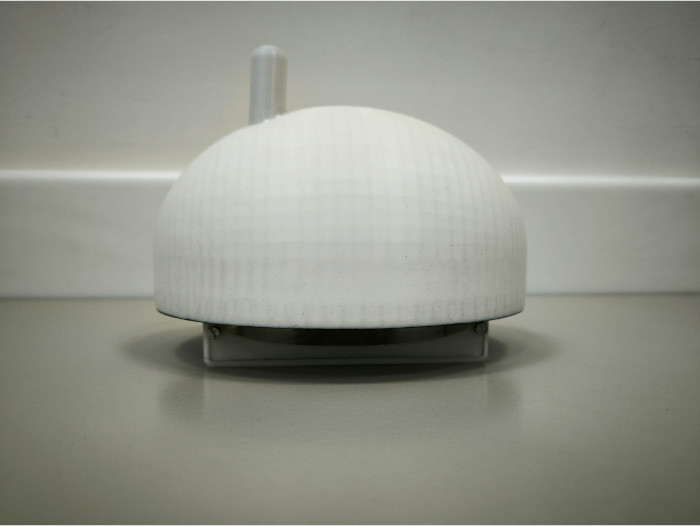
In this context, an innovative solution has been developed to offer greater flexibility and transparency in odour recognition using artificial intelligence. This approach focuses on the ability to easily and adaptively integrate new odours into the identification system. Furthermore, being an open-source solution, it gives users the freedom to customise and adapt it to their specific needs, fostering innovation and collaboration in the advancement of artificial olfaction.
The architecture of this solution is based on the use of efficient neural networks designed to run on low-cost microcontrollers. This enables the implementation of odour recognition systems in a wide range of devices and applications. A key feature of the solution is its ability to process sensory information in an optimised way, even allowing the sequential application of multiple AI models on the same acquired data. This feature opens the door to recognising a considerable number of odours using limited computational resources, enhancing the efficiency and versatility of olfactory detection systems.

Technology
You want to know more?
Related Projects
- Researchers from the Computer Networks and Distributed Systems (CNDS) research group at the Universitat Politècnica de Catalunya - BarcelonaTech (UPC) are developing new artificial intelligence-based solutions to obtain more accurate and reliable data from IoT sensor networks, with applications in air quality monitoring, anomaly detection and industrial predictive maintenance.
- The Casa Bosc project explores a lightweight, modular and prefabricated timber construction system designed to reduce the environmental impact of housing while making it easier to build and adapt to different contexts. The project has been developed by researchers from the Architectural Rehabilitation and Restoration Research Group (REARQ) at the Universitat Politècnica de Catalunya - BarcelonaTech (UPC) and the company ÀGORA.
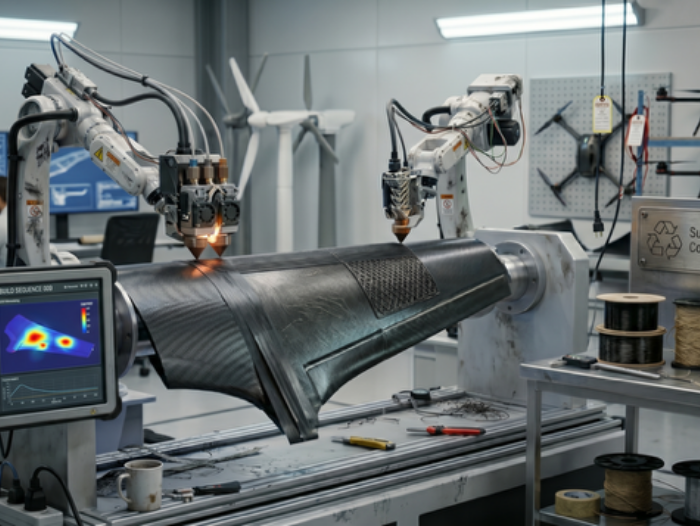
- The Control, Data and Artificial Intelligence (CoDAlab) research group at the Universitat Politècnica de Catalunya - BarcelonaTech (UPC) is taking part in the ATHENS project, which is developing recyclable thermoplastic composite materials with advanced real-time monitoring systems to improve the manufacture, safety and service life of lightweight structures.
- The MICROTECH LAB - Microtechnology for the Industry research subgroup, part of the Centre for Advanced Technologies in Mechanics (CATMech) at the Universitat Politècnica de Catalunya - BarcelonaTech (UPC), is leading the technical development of a minimally invasive platform to monitor biomarkers and physiological indicators related to stress and emotional wellbeing.