


Hospitals 4.0 with more effective management due to machine learning algorithms
May 2, 2022
Minimise the environmental impact of construction with walls of corn and sunflower stalks
May 25, 2022The latest forecasts on the increase of connected devices (IoT paradigm) and the traffic exchanged between them makes it clear that there is a need to optimize the resources available in wireless networks. To address this problem, the TELCO4IOT project has emerged, led by the Research Group on Cellular Communications Networks (GRXCA) of the Universitat Politècnica de Catalunya.
The location of mobile devices as essential data
Most network devices can obtain their position, but this process tends to represent a considerable effort in terms of energy resources and network traffic. In addition, this information needs to be constantly updated, which applied to all devices connected to the network. This further increases consumption in terms of energy and available capacity.
The current trend of diversifying and densifying access networks to absorb the expected growth in traffic, boosts the possibilities of geo-positioning solutions: improving accuracy, reducing latency, improving the robustness of the system, among other advantages. However, it also generates redundancy that leads intrinsically to two clear challenges:
- The management of a vast amount of data in devices and network equipment.
- The management of the network infrastructure in an efficient and flexible way, in order to minimize the impact caused by energy waste and CO2 emissions.
Challenges and potential, the keywords of TELCO4IOT
The project constitutes a considerable challenge and is part of an area that has still not been explored, so it offers enormous potential in the field of research.
First, this project proposes the design of collaborative positioning algorithms for mobile devices that will enable the service quality to be maximised, energy consumption to be minimised and the positioning system to be scaled to settings where the reception of the GPS signal is not good.
The research group therefore faces a complex scenario, as each of the achievable objectives tends to be detrimental to the others. For example, maximizing accuracy means increasing the device’s energy consumption and often limiting the scalability of the system.
In second place, the aim is to use the concept of location middleware to deal with the massive and constant positioning of IoT devices, the management of data and its accessibility from the Internet (Internet of Data). For this reason, machine learning algorithms and data mining are applied to estimate the present and future positions of the network nodes, as well as to generate social and/or economic knowledge and identify patterns of mobility.
Third, the location of IoT nodes can be used to study a geocasting solution that combines minimum latency in the delivery of data, robustness to changes in the network topology, low error rate and minimum power consumption.
Finally, the solutions that have been proposed will be implemented in real equipment and test scenarios will be prepared to test, evaluate and validate the solutions presented in the project.

Project with state support 2019–2022
Thanks to the Ministry of Science and Innovation’s State Programme for Knowledge Generation and Scientific and Technological Strengthening of the R+D+I System, the research group GRXCA, which is focused on the area of resource planning in cellular and ad hoc wireless networks has funding of 55,660 EUR for this project.
Currently, the group is in the final stretch of the project, which will come to a close on 30 September 2022.
Tecnología
Vols saber més?
Proyectos Relacionados
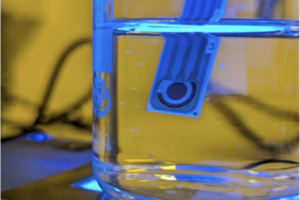
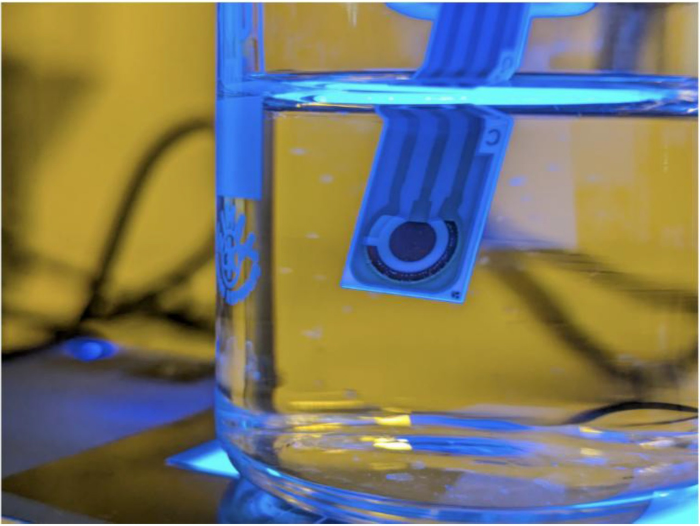
- The MICROTECH LAB - Microtechnology for the Industry research subgroup, part of the Centre for Advanced Technologies in Mechanics (CATMech) at the Universitat Politècnica de Catalunya - BarcelonaTech (UPC), is leading the technical development of a minimally invasive platform to monitor biomarkers and physiological indicators related to stress and emotional wellbeing.
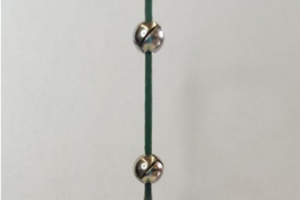
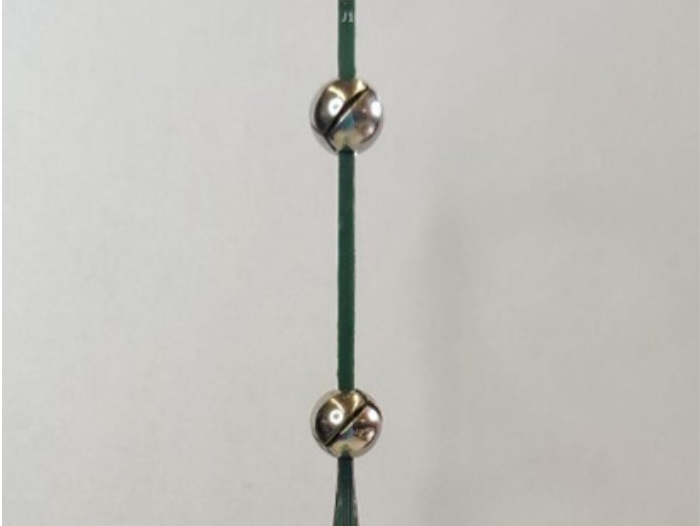
- A research team from the Universitat Politècnica de Catalunya - BarcelonaTech (UPC) has participated in the M3LEC project, coordinated by the Centro de Astrobiología (CAB), a joint centre of the Spanish National Research Council (CSIC) and the Instituto Nacional de Técnica Aeroespacial (INTA), with the Universidad de Sevilla (US) / Instituto de Microelectrónica de Sevilla (IMSE) also participating. M3LEC aimed to contribute to the characterisation of the Martian atmosphere and meteorology, and to investigate new instrumentation for future planetary exploration missions.
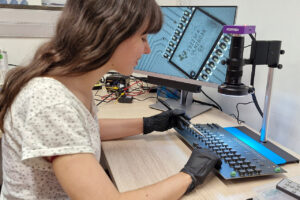
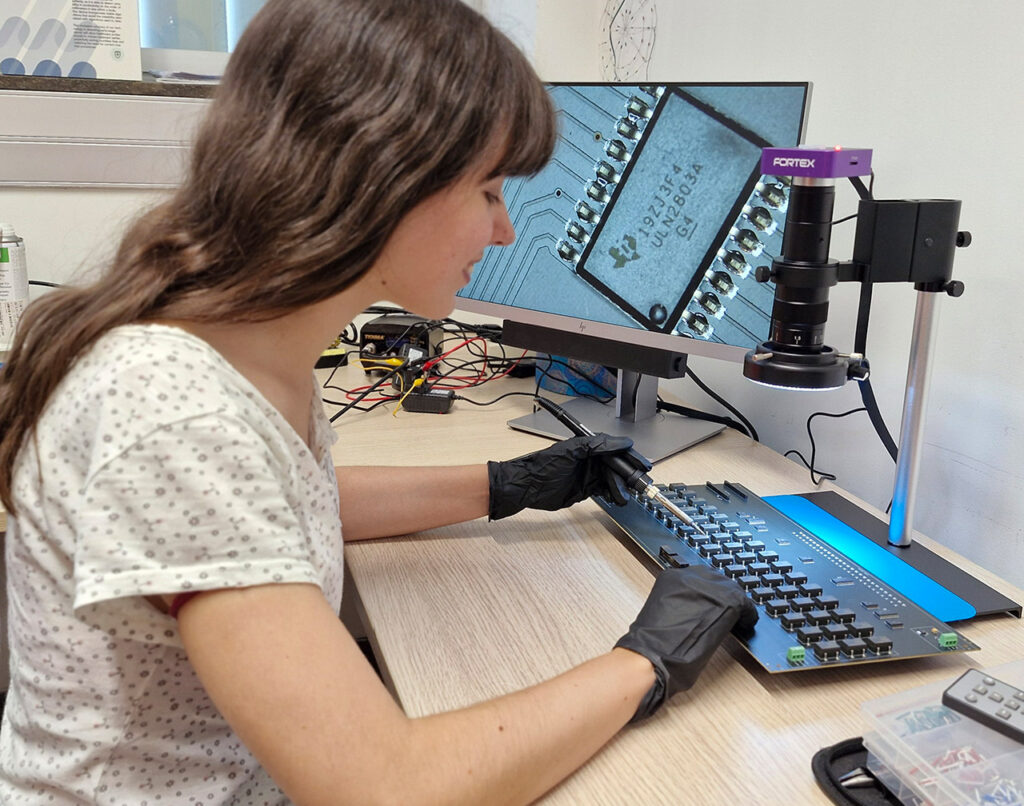
- A team from the Matrix Analysis and Discrete Potential Theory (MAPTHE) research group at the Universitat Politècnica de Catalunya - BarcelonaTech (UPC), and the Department of Mathematics at CUNEF Universidad in Madrid, have participated in the development of MARIA, a prototype of a portable, flexible and radiation-free device designed to improve the early detection of breast cancer. The device can identify tumours through electrical conductivity, with the aim of enabling its future use in primary care settings.
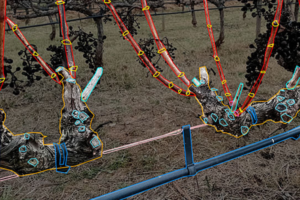
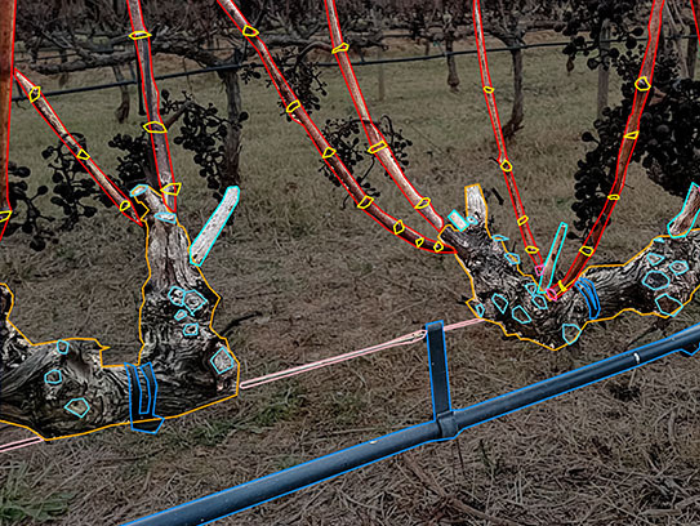
- The Center for Industrial Equipment Design (CDEI-UPC) at the Universitat Politècnica de Catalunya - BarcelonaTech (UPC) is participating in a cross-border project aimed at promoting the use of advanced digital technologies in viticulture in regions on both sides of the Pyrenees. The initiative seeks to improve specialist training, technical advice and decision-making in vineyard management.