

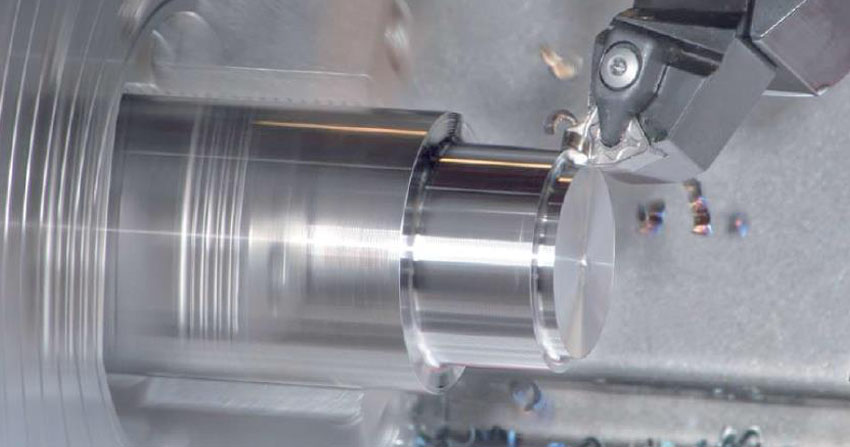
AVINT: machining strategies and prediction of roughness for optimal surface integrity
June 22, 2022
Blockchain technology to boost circular economy in the textile sector
July 7, 2022The Automatic Hyperspectral Pest Counter, a project developed by the Centre for Sensors, Instruments and Systems Development (CD6) of the Universitat Politècnica de Catalunya (UPC) , has been completed successfully.
This project, which started in 2021, is in line with a trend based on an automated strategy that is environmentally friendly. One of the great challenges of agriculture is to achieve sustainable production. With this aim in mind, the system that has been developed uses multispectral image technology to obtain images of georeferenced insect traps and provide automatic counts in real time.
Algorithms and machine learning
Through efficient algorithms based on automatic learning (machine learning), the systems can identify the type of insect associated with the pest and process large amounts of data.
This technological innovation enables agriculturalists to achieve maximum performance against small insect pests. The solution optimises the time resources dedicated to monitoring and control systems for current pests that mainly require periodic, manual readings and counts.

Pilot adaptation to the citric sector
The Automatic Hyperspectral Pest Counter has been optimised first to detect California red scale that affect the production of citric crops. In this sector, Spain produces approximately 25% of the total output in the European Union.
The system developed has been patented and licensed for use. Now that the project has ended, tasks are being carried out to extend its use to other pests.
Project with European support
The project was cofinanced by the European Union through the European Regional Development Fund (ERDF) and was supported by the Secretary of Universities and Research of the Government of Catalonia’s Department of Business and Knowledge.
The team was comprised of four people and the total budget was approximately 200,000 euros.
Topic
Would you like to know more?
Related Projects
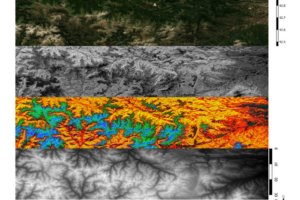
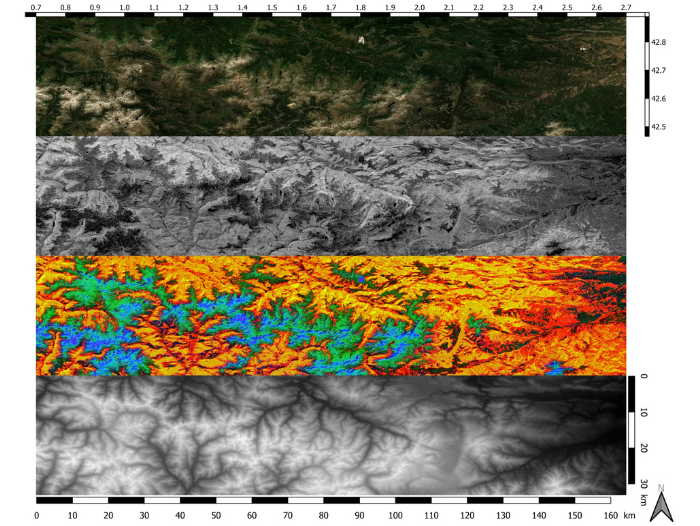
- Un equip de recerca de la UPC, integrat pel CommSensLab-UPC i el Remote Sensing Lab (RSLAB) de la Universitat Politècnica de Catalunya - BarcelonaTech (UPC), juntament amb l’Institut d’Estudis Espacials de Catalunya (IEEC), ha participat en el projecte AI4EO, amb l’objectiu d’impulsar solucions i posar en pràctica eines d’intel·ligència artificial aplicades a dades d’observació de la Terra en diversos casos d’ús sobre el territori català.
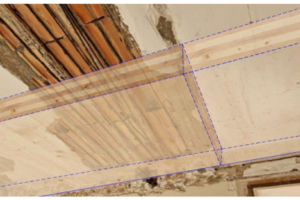
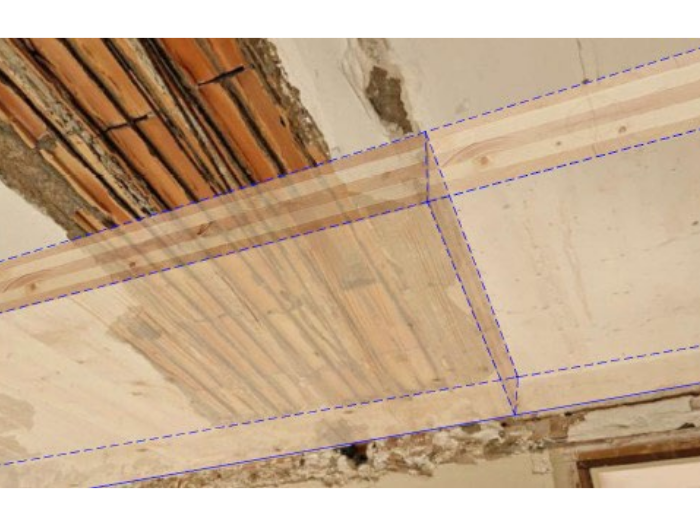
- Researchers from the Architecture, Energy and Environment research group (AiEM) and the Design and Analysis of Architectural Structures research group of the Department of Architectural Technology (DiCEA), which are part of the Centre for Research and Services for the Local Administration (CRAL) at the Universitat Politècnica de Catalunya - BarcelonaTech (UPC), have developed an innovative system for the structural strengthening of ceramic floor slabs using stress-activated timber, designed to intervene in occupied buildings in a fast, sustainable and replicable manner.
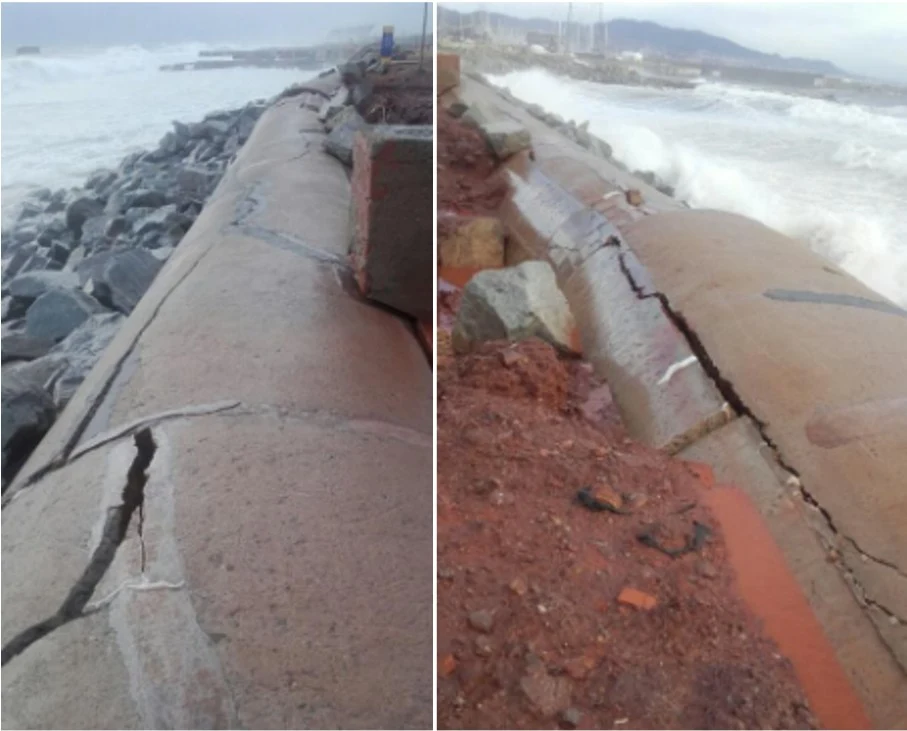
- A team of researchers led by the FLUMEN Research Institute at the Universitat Politècnica de Catalunya - BarcelonaTech (UPC) has participated in the European ICARIA project. Its aim is to develop tools and risk maps that enable public authorities and infrastructure managers to anticipate the impacts of extreme climate events and make adaptation decisions on a more robust technical basis.
- The project is led by a team from the Rehabilitation and Architectural Restoration (REARQ) at the Universitat Politècnica de Catalunya - BarcelonaTech (UPC), in collaboration with the Interdisciplinary Group on Building Science and Technology (GICITED), also from UPC, and CONSTRAULA.