

Dyed irrigation water to study the impact of freshwater on bivalve aquaculture in the Delta
December 3, 2021
GOPHYTOVID: Optimisation of the use of plant health products based on plant vigour maps
January 11, 2022The Agricultural Machinery Unit (UMA) of the UPC is coordinating the national project Smart Spraying for Sustainable Vineyards and Olive Trees (PIVOS). The aim of the project is to demonstrate the benefits of smart spraying of plant health products for sustainable use of pesticides in vineyards and olive trees. These benefits include maintaining biological efficacy and reducing economic and environmental costs.

New technologies in the application of plant health products have had a low impact in comparison with the technology that is available for commodity crops. As a result, the high amount of plant health products used, the high risk of contamination and the additional operating costs are the main aspects that characterise the protection of these high value crops.
In this context, the PIVOS project will develop new technologies that will help to improve the process of applying plant health products, through a new smart system of management of the spraying. First, the vegetation will be characterized in a smart way through ground and aerial sensors in the crops. A protocol will be developed to obtain prescription maps of the volume to be applied and the volume of air, which can be used to automatically adjust the quantities to apply. Finally, the results obtained will be tested in the field for validation and quantification of the benefits at agronomic, economic and environmental level.
The project is comprised of a consortium of four universities: the University of Córdoba, the Universitat Politècnica de València, the University of Zaragoza and the Universitat Politècnica de Catalunya - BarcelonaTech (UPC).
PIVOS is funded by the State Research Agency of the Ministry of Science, Innovation and Universities, and has a duration of three years (June 2020 to May 2023).
Related Projects
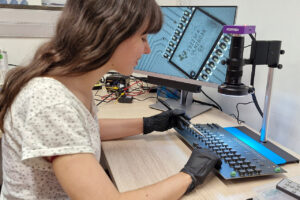
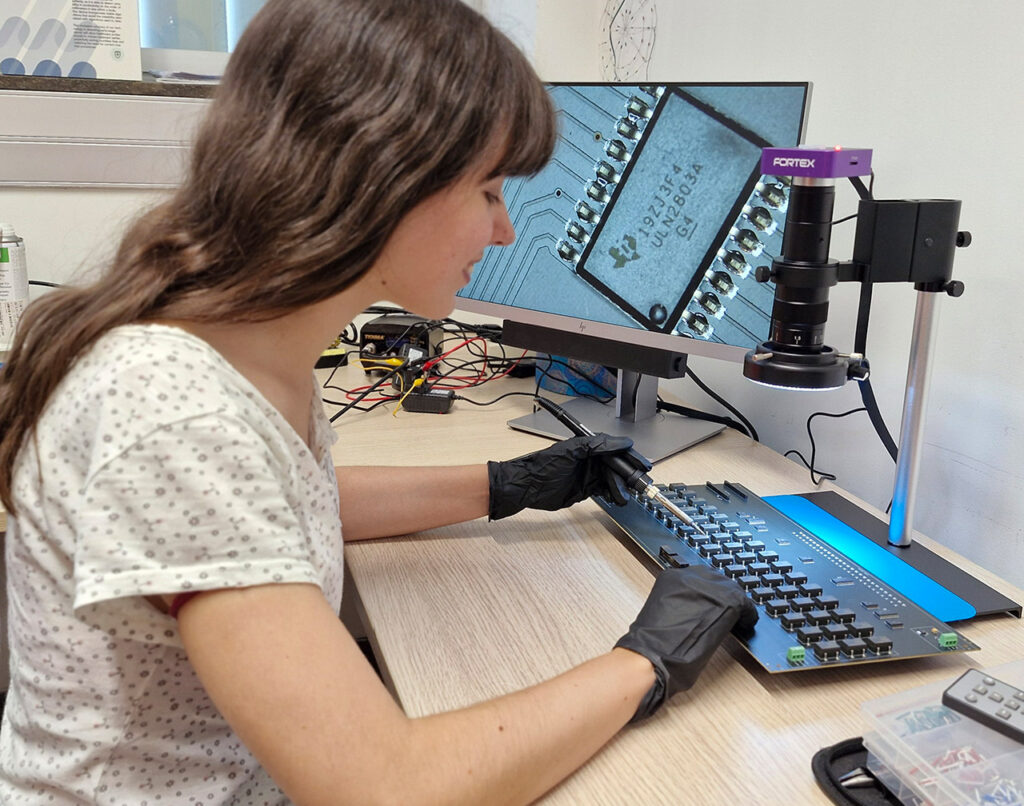
- A team from the Matrix Analysis and Discrete Potential Theory (MAPTHE) research group at the Universitat Politècnica de Catalunya - BarcelonaTech (UPC), and the Department of Mathematics at CUNEF Universidad in Madrid, have participated in the development of MARIA, a prototype of a portable, flexible and radiation-free device designed to improve the early detection of breast cancer. The device can identify tumours through electrical conductivity, with the aim of enabling its future use in primary care settings.
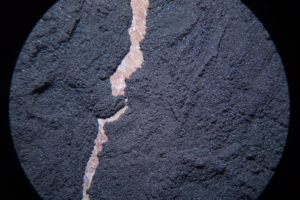
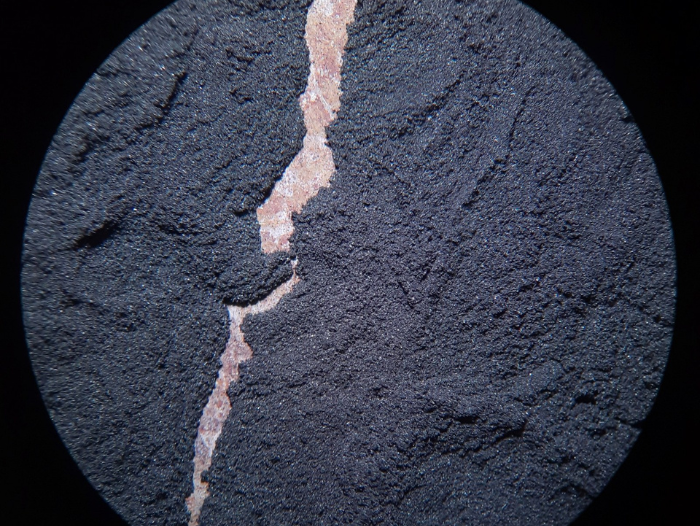
- The Research Group in Smart and Sustainable Resources and Industries (RIIS) at the Universitat Politècnica de Catalunya - BarcelonaTech (UPC) is developing the ZeroCarbonPave project, which aims to assess the feasibility of incorporating biochar as filler and/or as the fine fraction of granular material in bituminous mixtures, with the objective of reducing the carbon footprint associated with the manufacture and laying of road pavements.
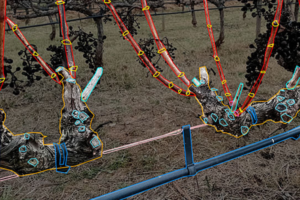
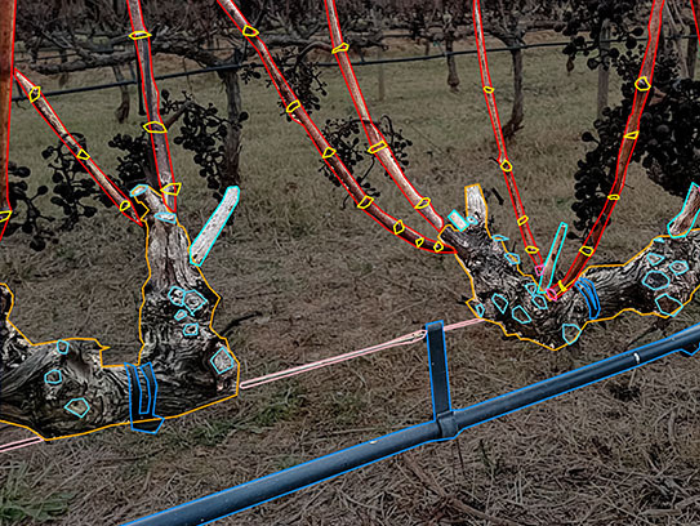
- The Center for Industrial Equipment Design (CDEI-UPC) at the Universitat Politècnica de Catalunya - BarcelonaTech (UPC) is participating in a cross-border project aimed at promoting the use of advanced digital technologies in viticulture in regions on both sides of the Pyrenees. The initiative seeks to improve specialist training, technical advice and decision-making in vineyard management.
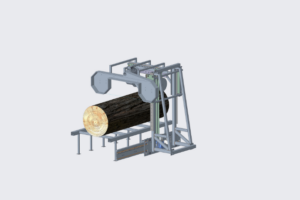
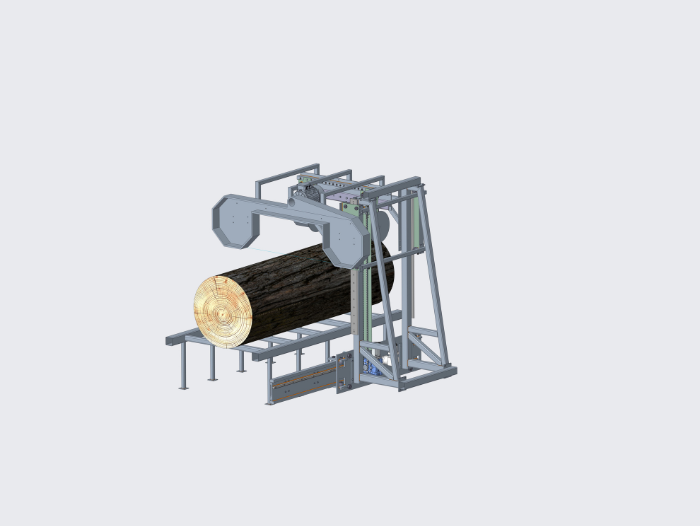
- The Centre for Industrial Equipment Design (CDEI) at the Universitat Politècnica de Catalunya - BarcelonaTech (UPC), together with the IRI, Institut de Robòtica i Informàtica Industrial (CSIC-UPC), is participating in the development of a pre-commercial prototype of an automatic portable sawmill that integrates computer vision, artificial intelligence and computer numerical control to improve productivity, efficiency and safety in local wood processing for the company Envall Coop. S.L.