

eBRT2030: A new generation of high-performance buses (BRT) in Europe for more sustainable, environmentally friendly transport
August 28, 2023
SEASLAG: A new biomaterial to regenerate marine ecosystems based on byproducts of the steel and agrifood industries
September 19, 202306/09/2023
A team of UPC researchers is working to develop a solution to standardise and improve quality control in fermentation processes in the Agrotech area.
Food fermentation is a processing technology that uses the growth and metabolic activity of microorganisms to transform foods. Fermentation is undertaken to stabilise perishable agricultural products. In addition, the process has evolved to become a key tool to optimise quality in food production. One example is a process based on the reuse of waste in which CO2 is captured and used in processes of product carbonisation (mainly of fermented drinks), and as a mechanism to exert counterpressure on fermentation tanks in order to empty them. Direct real-time monitoring of the production chain (whether at-line or in-line) can be used to ensure standardisation and carry out optimum adjustments to the biochemical fermentation process, to ensure the quality and high organoleptic properties of the final product.
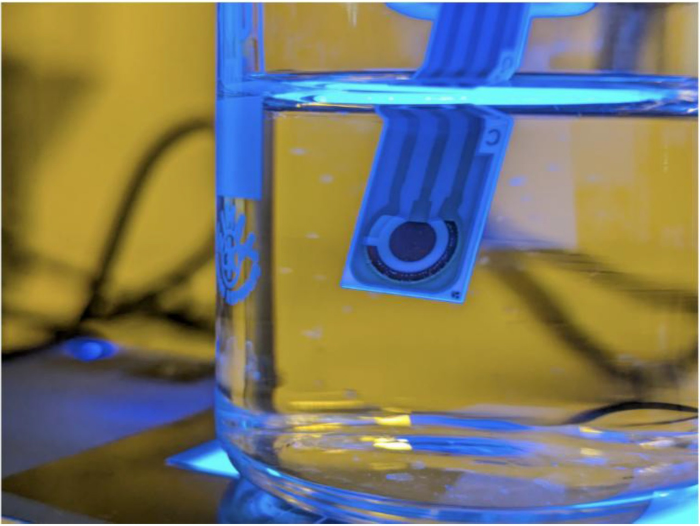
The sensQ project, in which researchers from the AntennaLab research group of CommSensLab-UPC at the Universitat Politècnica de Catalunya - BarcelonaTech (UPC) participate, enables real-time, at-line/in-line monitoring of the metabolic activity of microorganisms in fermentation processes of the agri-food sector, through optical magnetometry sensing technologies.
This sensing obtains results faster and more directly than current laboratory methods that have a latency of 24 hours (or more) to obtain the results. Therefore, by using sensQ the (food and drink) agri-food sector can verify more precisely the standardisation of fermentation processes to ensure the quality of products and optimise the recovery of waste generated to be reused in other processes.
Budget and funding
SensQ has a Budget of €50,000 through a subsidy from the Rural Development Programme of Catalonia 2014-2022 of the Department of Climate Action, Food and Rural Agenda (Catalan Government). The period of execution of the project is from December 2021 to June 2024.




Activity financed through Operation 01.02.01 for Technology Transfer of the Rural Development Programme of Catalonia 2014-2022.
Related Projects
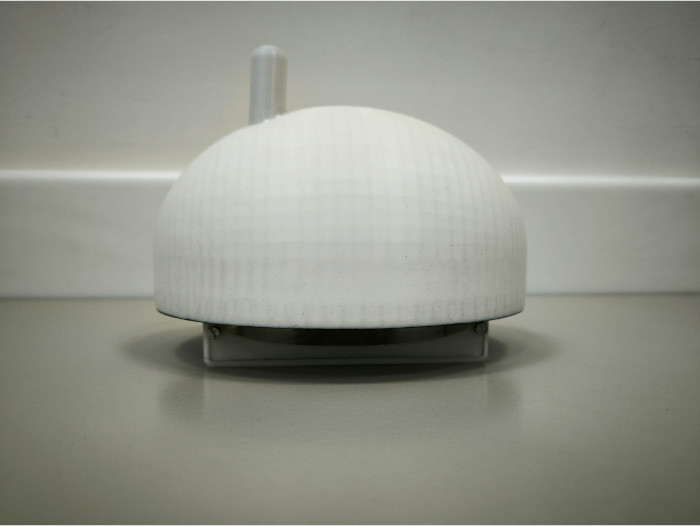
- Researchers from the Computer Networks and Distributed Systems (CNDS) research group at the Universitat Politècnica de Catalunya - BarcelonaTech (UPC) are developing new artificial intelligence-based solutions to obtain more accurate and reliable data from IoT sensor networks, with applications in air quality monitoring, anomaly detection and industrial predictive maintenance.
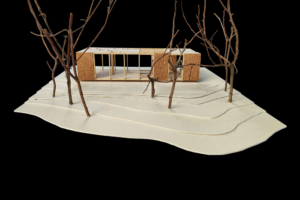
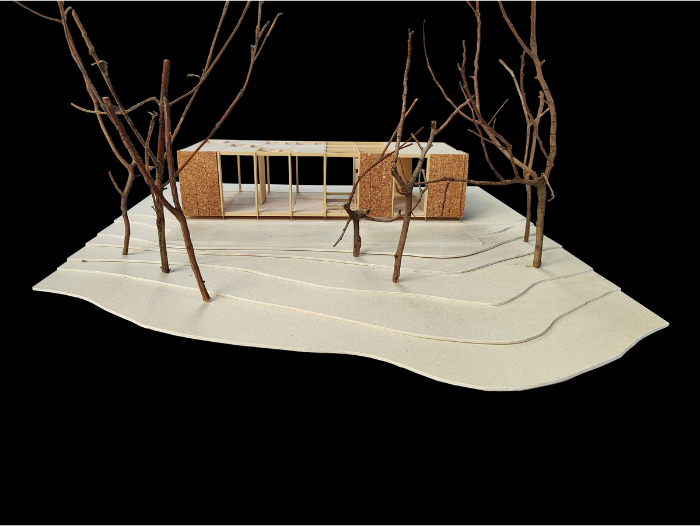
- The Casa Bosc project explores a lightweight, modular and prefabricated timber construction system designed to reduce the environmental impact of housing while making it easier to build and adapt to different contexts. The project has been developed by researchers from the Architectural Rehabilitation and Restoration Research Group (REARQ) at the Universitat Politècnica de Catalunya - BarcelonaTech (UPC) and the company ÀGORA.
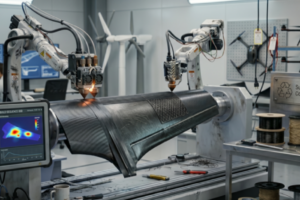
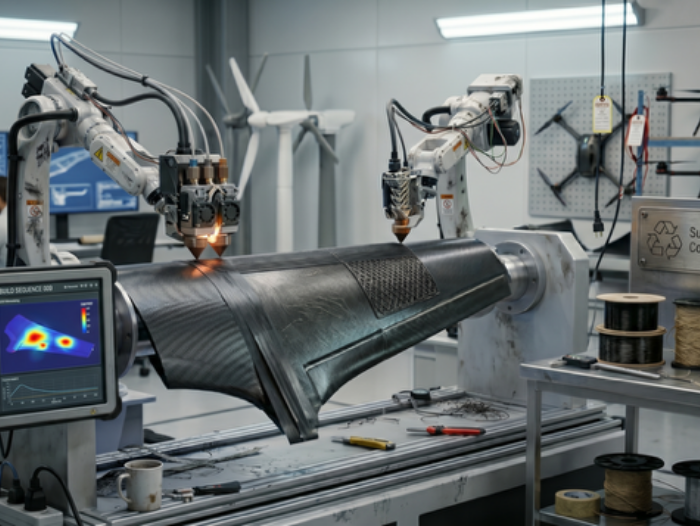
- The Control, Data and Artificial Intelligence (CoDAlab) research group at the Universitat Politècnica de Catalunya - BarcelonaTech (UPC) is taking part in the ATHENS project, which is developing recyclable thermoplastic composite materials with advanced real-time monitoring systems to improve the manufacture, safety and service life of lightweight structures.
- The MICROTECH LAB - Microtechnology for the Industry research subgroup, part of the Centre for Advanced Technologies in Mechanics (CATMech) at the Universitat Politècnica de Catalunya - BarcelonaTech (UPC), is leading the technical development of a minimally invasive platform to monitor biomarkers and physiological indicators related to stress and emotional wellbeing.