

CULTISENSOR: Agricultural sensing machinery for mapping physical terrain conditions
April 29, 2024
GIRASOL II: Digital twin of photovoltaic solar power plants
May 3, 202408/05/2024
The Radio Frequency Identification and Flexible Electronics (RFLEX) group of the Universitat Politècnica de Catalunya - BarcelonaTech (UPC) is participating in the TELEBREATH project to better address the demand for long-term care in vulnerable groups, such as elderly and dependent people.
The project focuses on searching for scientific and technical solutions based on the application of electronic textile sensors for monitoring, tracking and controlling respiratory diseases (such as asthma, pneumonia, chronic obstructive pulmonary disease and pulmonary edema). It also centres on the early detection of diseases related to alterations in breathing patterns (diabetes, heart failure, anxiety and emotional stress) in a minimally invasive way.
To achieve this, textile sensors and integrated electronic systems are being developed in comfortable clothing. The sensors can be used to control respiratory rate just by wearing a garment, which minimises the impact on users.
The main purpose of the project is to research and develop a complete platform for teleassistance and monitoring of respiratory patterns using smart fabrics (e-textiles). It includes fully integrated sensing in fabrics, the development of algorithms to detect respiratory anomalies, an interface for data transmission to the cloud and its corresponding management through a software platform.
Budget and funding
The project is funded by the State Plan for Scientific and Technical Research and Innovation 2017-2022 of the State Research Agency’s Programme for Knowledge Generation. It has a budget of €114,655 and a duration of three years (2022-2024).

Sector
Topic
You want to know more?
Related Projects
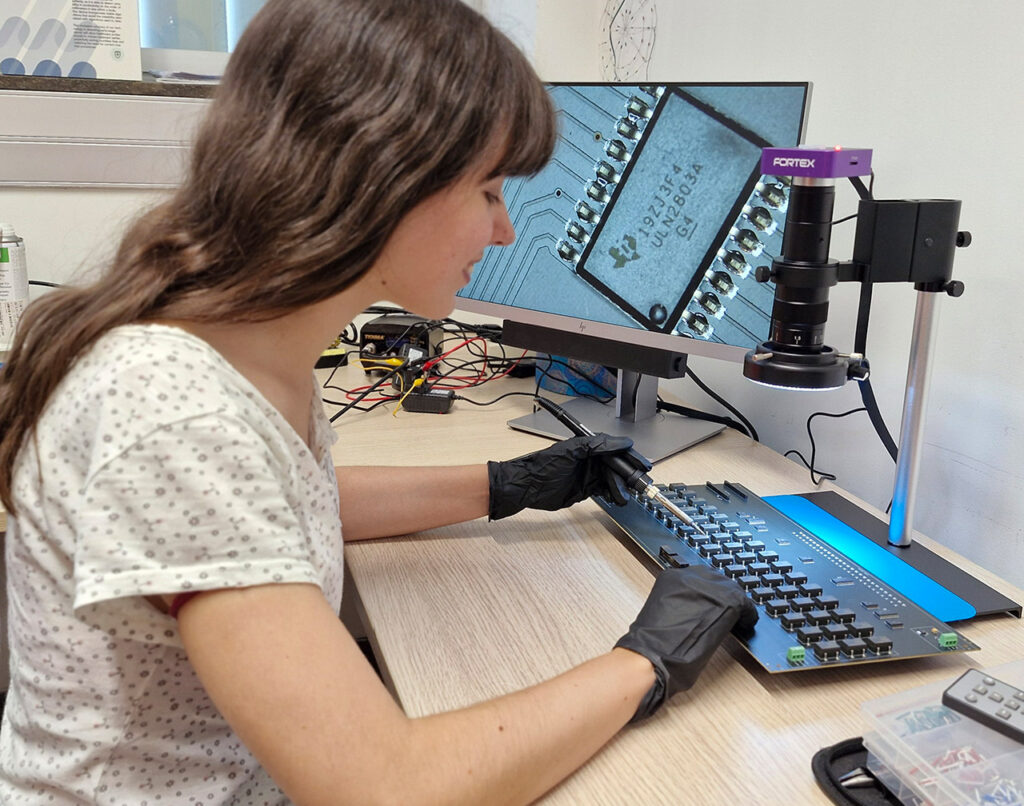
- A team from the Matrix Analysis and Discrete Potential Theory (MAPTHE) research group at the Universitat Politècnica de Catalunya - BarcelonaTech (UPC), and the Department of Mathematics at CUNEF Universidad in Madrid, have participated in the development of MARIA, a prototype of a portable, flexible and radiation-free device designed to improve the early detection of breast cancer. The device can identify tumours through electrical conductivity, with the aim of enabling its future use in primary care settings.
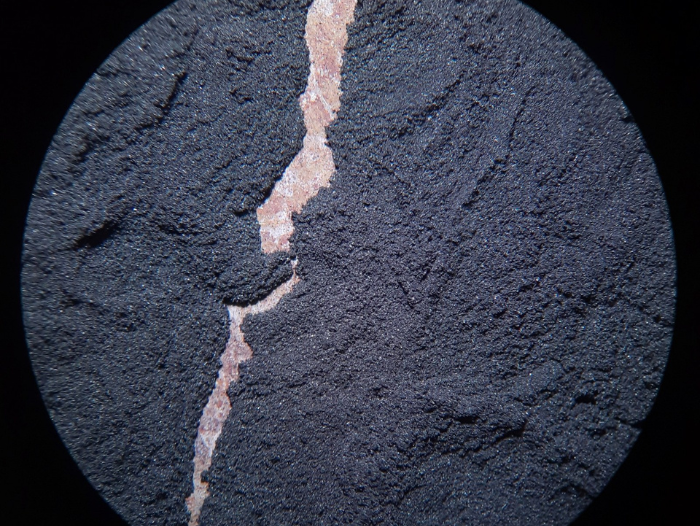
- The Research Group in Smart and Sustainable Resources and Industries (RIIS) at the Universitat Politècnica de Catalunya - BarcelonaTech (UPC) is developing the ZeroCarbonPave project, which aims to assess the feasibility of incorporating biochar as filler and/or as the fine fraction of granular material in bituminous mixtures, with the objective of reducing the carbon footprint associated with the manufacture and laying of road pavements.
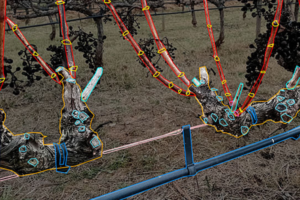
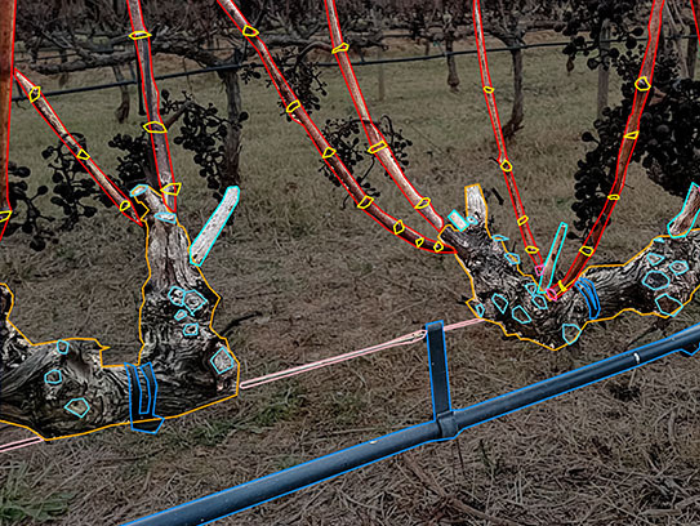
- The Center for Industrial Equipment Design (CDEI-UPC) at the Universitat Politècnica de Catalunya - BarcelonaTech (UPC) is participating in a cross-border project aimed at promoting the use of advanced digital technologies in viticulture in regions on both sides of the Pyrenees. The initiative seeks to improve specialist training, technical advice and decision-making in vineyard management.
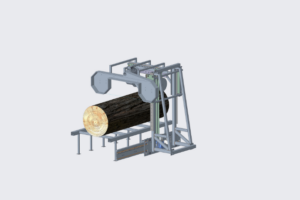
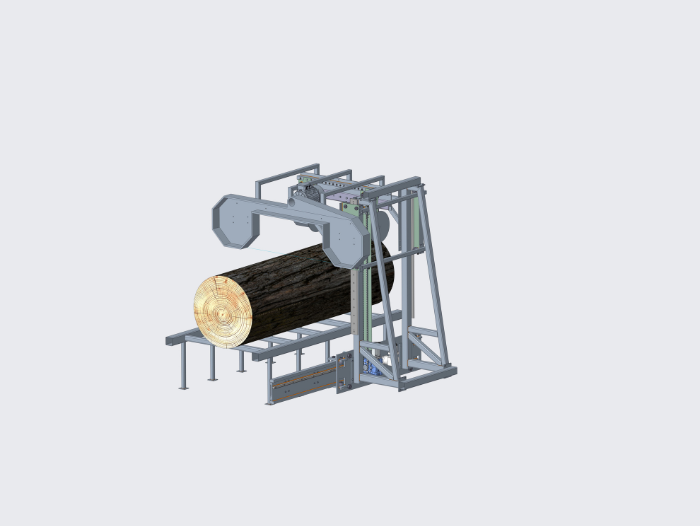
- The Centre for Industrial Equipment Design (CDEI) at the Universitat Politècnica de Catalunya - BarcelonaTech (UPC), together with the IRI, Institut de Robòtica i Informàtica Industrial (CSIC-UPC), is participating in the development of a pre-commercial prototype of an automatic portable sawmill that integrates computer vision, artificial intelligence and computer numerical control to improve productivity, efficiency and safety in local wood processing for the company Envall Coop. S.L.