

A platform for identifying new antibiotics designed to combat multidrug-resistant bacteria
July 9, 2021
An app is developed based on intangible cultural heritage to prevent memory loss in elderly people
July 21, 2021Researchers from the Construction Engineering (EC) research group, the Architecture and Technology Group (GAT), the Laboratory of Innovation and Technology in Architecture (LiTA), and the Construction and Road Materials (MATCAR) group have developed a methodology to improve the management of urban heritage, addressing essential aspects in the process of reinforcement or repair, as well as during its lifespan.
One of the most common options for reinforcing structural elements is spraying cementitious materials, which form an adhered layer on the reinforced structural element. Although this technique holds great potential for rehabilitation, its widespread and efficient use has limitations. MAPPU aims to improve existing knowledge of the material, technical, and structural calculation methods required to carry out reinforcements using a single sprayed layer that safely meets all the specified requirements.
The technological breakthrough that MAPPU has achieved in the sprayed reinforcement method is based on four key factors. First, the improvement of the materials used through the development of lightweight structural sprayed mixtures, with low permeability, compensated shrinkage, and more sustainable properties, which allow for easier application and enhanced reinforcement. Second, by developing structural calculation models that take into account the specific characteristics of the sprayed material (whether lightweight or of normal density), optimizing the design in terms of adhesion to reinforcements and creep (i.e., the increase in deformation of the sprayed layer under constant load, which over time leads to an increase in the load absorbed by the reinforced structure).
Third, through the improvement of quality control techniques used to assess the behavior of the sprayed material at the beginning of its lifespan. Finally, integrated durability models that allow for the design and analysis of the lifespan of the structure should be proposed, considering both the reinforcement and the existing structure.

As a result of all this, the potential risks due to material degradation have been reduced, and the safety of the structures has been increased. New models have also been proposed that are not yet available in the standards for the structural design of sprayed layers. This will expand the application scope of the technique, reduce material costs, and decrease the consumption of natural resources.
MAPPU has lasted four years (from December 2016 to December 2020), was part of the State R&D&I Program oriented towards Societal Challenges of MINECO, and had a budget of €96,800.
Related Projects
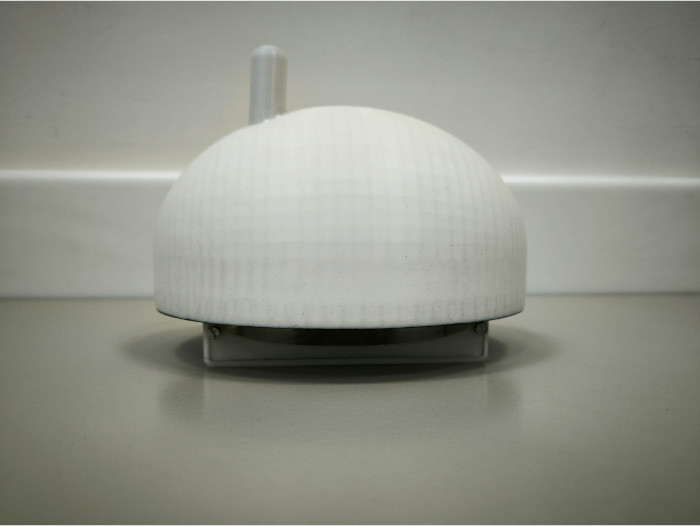
- Researchers from the Computer Networks and Distributed Systems (CNDS) research group at the Universitat Politècnica de Catalunya - BarcelonaTech (UPC) are developing new artificial intelligence-based solutions to obtain more accurate and reliable data from IoT sensor networks, with applications in air quality monitoring, anomaly detection and industrial predictive maintenance.
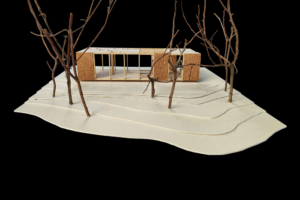
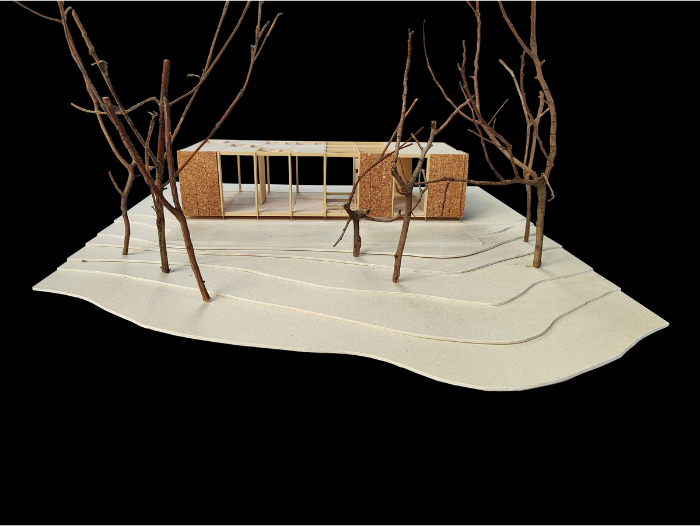
- The Casa Bosc project explores a lightweight, modular and prefabricated timber construction system designed to reduce the environmental impact of housing while making it easier to build and adapt to different contexts. The project has been developed by researchers from the Architectural Rehabilitation and Restoration Research Group (REARQ) at the Universitat Politècnica de Catalunya - BarcelonaTech (UPC) and the company ÀGORA.
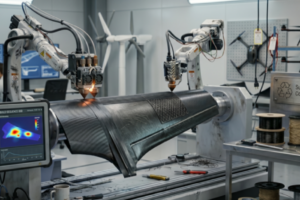
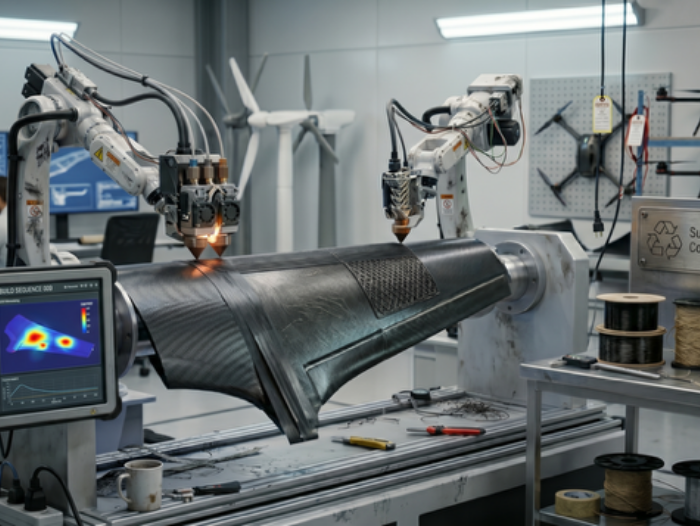
- The Control, Data and Artificial Intelligence (CoDAlab) research group at the Universitat Politècnica de Catalunya - BarcelonaTech (UPC) is taking part in the ATHENS project, which is developing recyclable thermoplastic composite materials with advanced real-time monitoring systems to improve the manufacture, safety and service life of lightweight structures.
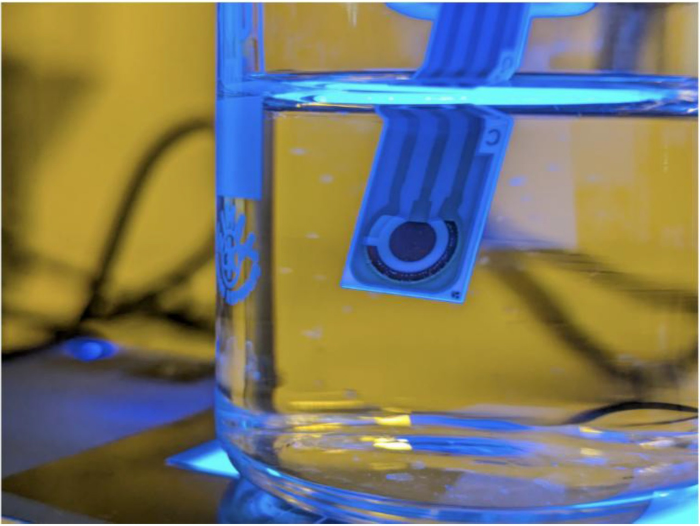
- The MICROTECH LAB - Microtechnology for the Industry research subgroup, part of the Centre for Advanced Technologies in Mechanics (CATMech) at the Universitat Politècnica de Catalunya - BarcelonaTech (UPC), is leading the technical development of a minimally invasive platform to monitor biomarkers and physiological indicators related to stress and emotional wellbeing.