

AGISTIN: Transformation of Irrigation Systems into Energy Storage for a Sustainable Energy Transition
February 17, 2025
Cyan2Bio: Sustainable production of bioplastics and natural pigments from cyanobacteria in wastewater effluents
March 3, 202520/02/2025
Neurodegenerative diseases, such as Parkinson's disease, Alzheimer's, and age-related disorders, have been widely studied due to their significant impact on individuals and society. So far, these are incurable and debilitating diseases that lead to progressive degeneration and death of nerve cells, resulting in cognitive and mobility impairments. Tremors, mainly at rest, slowness of movement (bradykinesia), limb rigidity, and issues with gait and balance are typical motor disorders related to Parkinson’s disease. Additionally, due to progressive muscle atrophy, these issues can lead to falls, which in turn result in further complications and risks to quality of life.
Therefore, it is important to understand the characteristic gait abnormalities in patients with Parkinson’s disease, even when these abnormalities occur sporadically and intermittently, and appear randomly and inexplicably. This is particularly the case with what is known as “Freezing of Gait” (FOG), which is considered one of the most severe and debilitating motor symptoms of Parkinson’s disease, yet one of the least understood.
In addition to the motor aspects, these neurodegenerative diseases and their treatments show symptoms at the level of the person’s cardiovascular system.
In this context, the Instrumentation, Sensors and Interfaces Group (ISI) at the Universitat Politècnica de Catalunya - BarcelonaTech (UPC), in collaboration with the HowLab group at the Universidad de Zaragoza, has developed a smart insole capable of measuring force and movement to characterise gait, as well as the ballistocardiogram (BCG) or impedance plethysmogram (IPG), to estimate the variability of a Parkinson’s disease patient’s cardiovascular status. This insole can provide objective data on the patient’s progress and help doctors prescribe a more personalised and effective treatment, thus improving the quality of life for patients.
The insoles integrate a system with advanced algorithms that ensure high-quality data collection and long-lasting battery life. The design of the electronic systems that perform the measurements has been optimised to reduce both the number and cost of components and energy consumption.
The algorithms have been designed to detect, quantify, and record in real-time the main gait dysfunctions of Parkinson’s disease: tremors, bradykinesia, limb rigidity, foot dragging, loss of balance, and freezing of gait, as well as to measure the main cardiovascular parameters of the person. The integration of these parameters represents an innovative breakthrough, as it is a key tool for the long-term monitoring and effective management of patients.
Clinical specialists have supervised and validated this system with patients to assist doctors in personalising treatments based on objective data. This allows, for example, the precise adjustment of the number of repetitions of an exercise according to the patient’s fatigue or adapting medication dosages. These adjustments, which present a significant challenge with the currently available clinical data, can thus be addressed more effectively. The new insoles will help prevent falls and freezing of gait, as well as improve the effectiveness of physiotherapeutic and pharmacological treatments in patients with Parkinson’s disease.
Budget and Funding
The project has a duration of 4 years (2021-2025) and has a budget of €101,640, funded through the State Plan for Scientific and Technical Research and Innovation 2017-2020 within the State R&D&I Programme aimed at societal challenges, Research Challenges: R&D&I projects.

Sector
Topic
You want to know more?
Related Projects
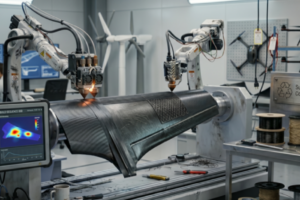
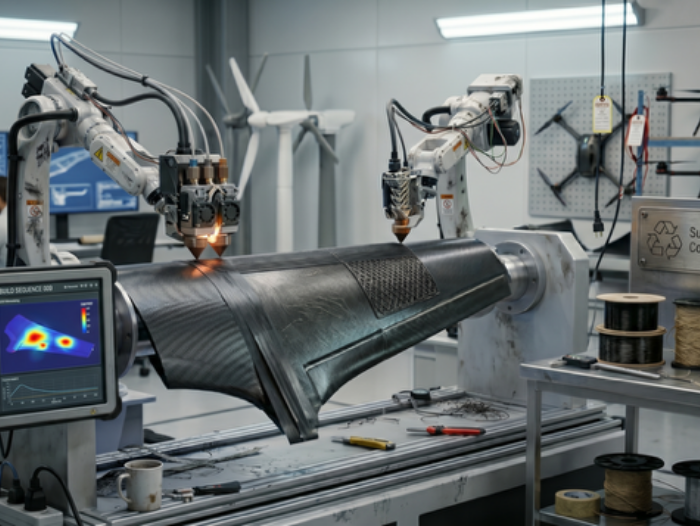
- The Control, Data and Artificial Intelligence (CoDAlab) research group at the Universitat Politècnica de Catalunya - BarcelonaTech (UPC) is taking part in the ATHENS project, which is developing recyclable thermoplastic composite materials with advanced real-time monitoring systems to improve the manufacture, safety and service life of lightweight structures.
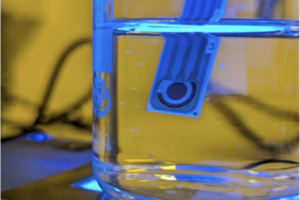
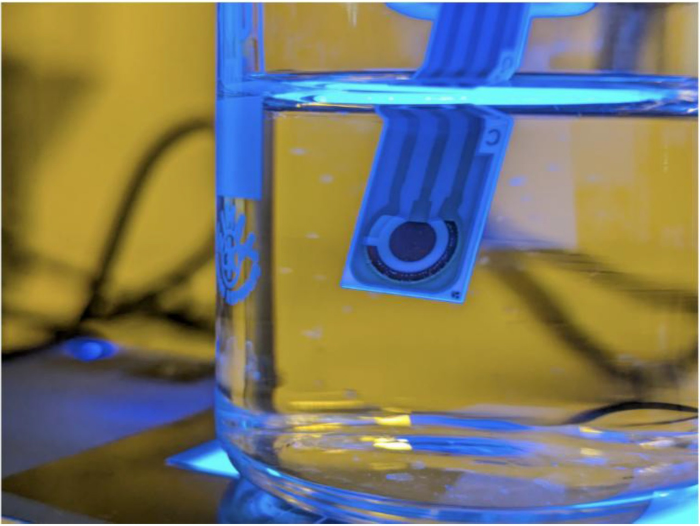
- The MICROTECH LAB - Microtechnology for the Industry research subgroup, part of the Centre for Advanced Technologies in Mechanics (CATMech) at the Universitat Politècnica de Catalunya - BarcelonaTech (UPC), is leading the technical development of a minimally invasive platform to monitor biomarkers and physiological indicators related to stress and emotional wellbeing.
- A research team from the Universitat Politècnica de Catalunya - BarcelonaTech (UPC) has participated in the M3LEC project, coordinated by the Centro de Astrobiología (CAB), a joint centre of the Spanish National Research Council (CSIC) and the Instituto Nacional de Técnica Aeroespacial (INTA), with the Universidad de Sevilla (US) / Instituto de Microelectrónica de Sevilla (IMSE) also participating. M3LEC aimed to contribute to the characterisation of the Martian atmosphere and meteorology, and to investigate new instrumentation for future planetary exploration missions.
- The Interdisciplinary Group on Building Science and Technology (GICITED) and the Energy, Catalysis, Process and Reaction Engineering (ENCORE) research group at the Universitat Politècnica de Catalunya - BarcelonaTech (UPC) are participating in the European ArchiSpace project, to develop infrastructure prototypes for human settlements in extraterrestrial environments using materials and conditions analogous to those on the Moon and Mars.