

A catalyst for obtaining industrial chemical products from greenhouse gases
December 18, 2025
Els ulls de la història: An immersive perspective on Catalan cultural heritage
January 14, 202614/01/2025
Through the creation of an open framework designed for teachers and educators, adolescents co-create urban design proposals from the perspective of how public spaces in the city are used.
The framework structures the methodology around three core axes with pedagogical elements already tested in several schools in Barcelona:
1. Identifying urban challenges
Understanding and analysing real challenges in the urban space (mobility, accessibility, sustainability, safety, etc.) and how they affect citizens. Emphasis is placed on three cross-cutting perspectives: ecological, gender and intercultural.
Using an ideation card game, students generate imaginary urban scenarios linked to real neighbourhood problems (such as mobility, green spaces and public uses). This game stimulates speculative imagination and encourages debate.
2. Co-creation workshops
Participatory activities in which students explore, imagine and propose solutions. These combine:
- Speculative storytelling: imagining futures and telling stories about possible cities.
- Game-based learning: using games and playful dynamics to learn about the city and citizenship.
- Collaborative co-creation: peer-to-peer discussion and idea building.
Participants build digital versions of real spaces in their neighbourhoods inside Minecraft, using maps based on real neighbourhood data, allowing them to visualise and collaboratively experiment with possible future urban transformations.
3. Fostering civic competences
The framework defines specific competences to be developed, such as awareness of the right to the city, futures literacy (the ability to imagine and anticipate possible futures), ecological commitment, and gender and intercultural perspectives.
After creating the scenarios and prototypes, students take part in guided discussions to reflect on and debate how to address urban challenges.
Researchers from CITM co-designed the card game and identified the main urban challenges in the areas where the workshops were held through citizen participation platforms such as Decidim. They also evaluated and validated the co-creation methodology using ethnographic methods (including workshop observations, diaries, group interviews with students and interviews with experts).
The results showed that:
- The combination of play, co-creation and storytelling was effective as an educational methodology for fostering civic competences in adolescents.
- The project enabled strong links to real contexts, addressing genuine urban issues and giving young people a voice.
- Interaction in digital environments such as Minecraft facilitated collaborative and creative participation.
A freely accessible resource kit has been developed so that teachers can apply this methodology in the classroom.


Related Projects
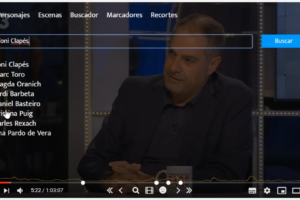
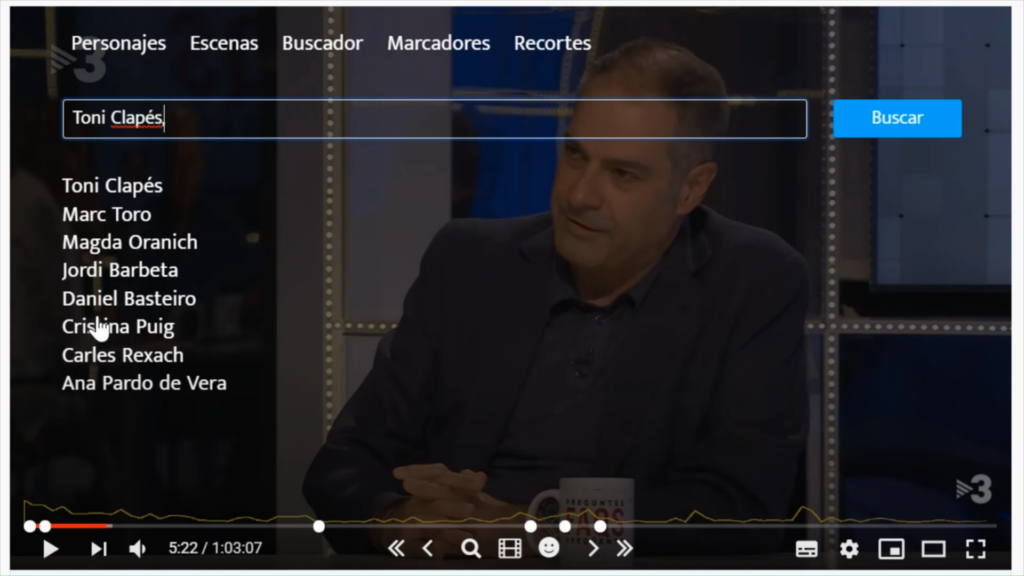
- The AgroTech research group at UPC, in collaboration with its spin-off Ugiat Technologies, has developed uPlayer, a new multimedia player concept that enables more intuitive video navigation and viewing, intelligently enhancing the user experience, especially on YouTube and other platforms, by integrating as a plugin or advanced player.
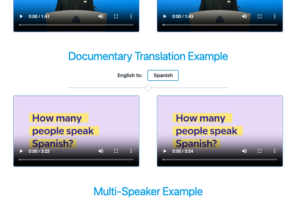
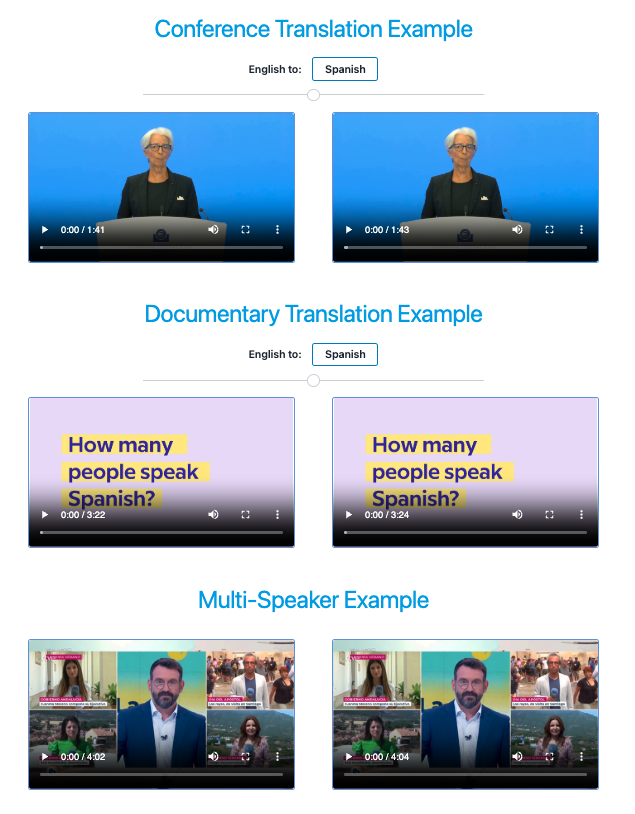
- The AgroTech research group at the Universitat Politècnica de Catalunya – BarcelonaTech (UPC), together with its spin-off Ugiat Technologies, have driven DoblAI, an AI platform that integrates transcription, translation, subtitling and video dubbing into a single workflow. The solution, which uses deep learning technology and cloned or default voice models, is specifically designed for the journalism and communications sector.
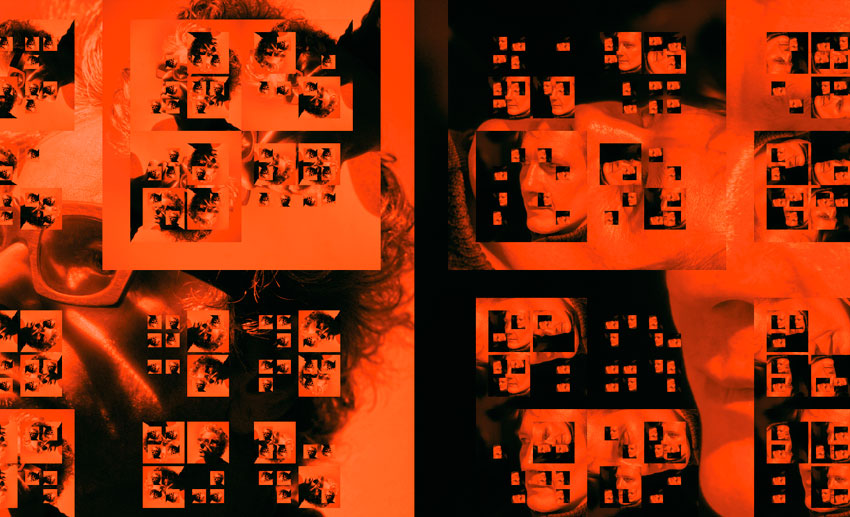
- The Image and Video Processing Group (GPI), part of the IDEAI-UPC research group, and the Digital Culture and Creative Technologies Research Group (DiCode) from the Image Processing and Multimedia Technology Center (CITM) at the Universitat Politècnica de Catalunya – BarcelonaTech (UPC), have co-organised the AI and Music Festival (S+T+ARTS) together with Sónar+D and Betevé, to explore the creative use of artificial intelligence in music.
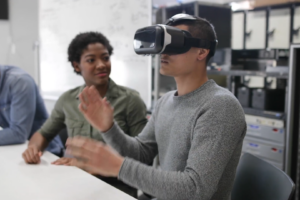
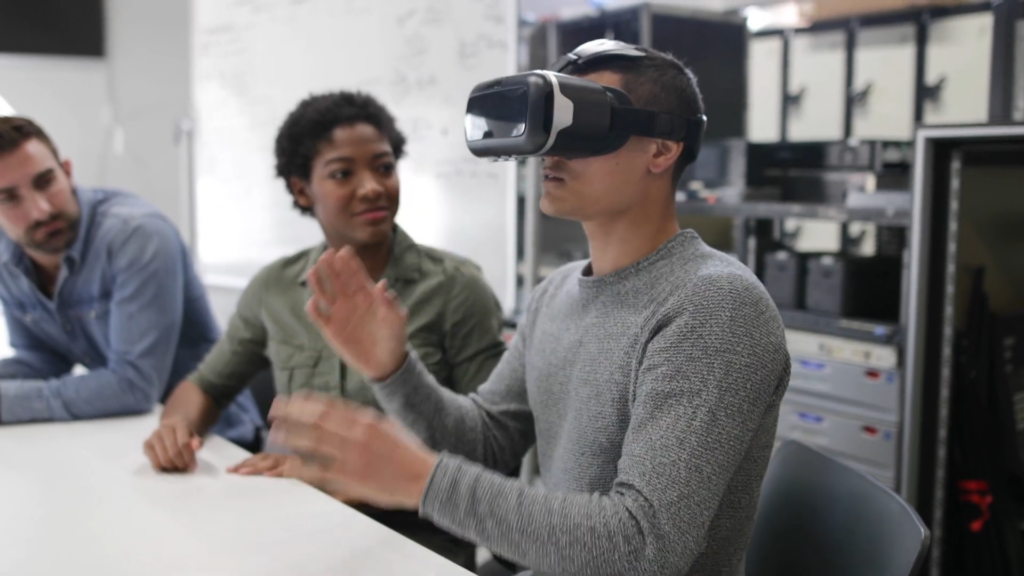
- The Visualisation, Virtual Reality and Graphic Interaction Research Group (ViRVIG) at the Universitat Politècnica de Catalunya - BarcelonaTech (UPC) has participated in the XR4ED project, an initiative that connects the educational technology (EdTech) and Extended Reality (XR) sectors, with the aim of transforming learning and training across Europe.