

RE-FESTA: A new reinforcement system using tension-activated timber for the rapid, safe and sustainable refurbishment of ceramic floor slabs
April 16, 2026
Natural biopolymer aerogels for purifying water with solar energy
May 20, 202619/05/2026
A research team from the Group of Environmental Engineering and Microbiology (GEMMA), and the Department of Civil and Environmental Engineering, at the Universitat Politècnica de Catalunya - BarcelonaTech (UPC), has collaborated with Raimat on the development of an innovative water treatment system based on natural processes, requiring minimal, almost zero, energy consumption and generating no waste.
The project has enabled the Lleida winery to take another step in its sustainability strategy and improve its environmental efficiency through the creation of wetlands in the middle of its vineyards, purifying 80,000 litres of water per day while also enhancing the biodiversity of the surrounding area.
The wine sector faces a key challenge in advancing sustainability and competitiveness: reducing the environmental impact of its production processes without compromising operational efficiency. In this context, water management and wastewater treatment are strategic areas, especially for wineries seeking to consolidate circular economy models, reduce emissions and optimise costs.
The UPC, together with Raimat, a Lleida winery in the DO Costers del Segre, a pioneer in regenerative viticulture and B Corp certified, and part of the Raventós Codorníu group, has promoted a pioneering gravity-fed natural wastewater treatment system in the heart of its vineyards, requiring minimal energy consumption and generating no waste.
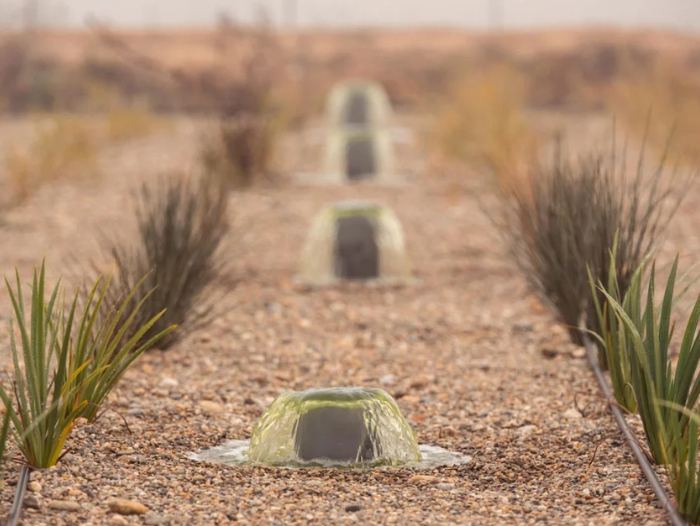
The project has been brought to life through the creation of 40,000 m² of wetlands, considered the largest in Europe of this type. These facilities have the capacity to purify 80,000 litres of water per day with virtually no energy use, taking advantage of the natural slopes of the land. It is estimated that, once they reach full performance in approximately one year, they will reduce energy consumption by around 200,000 kWh, preventing the emission of 65.6 tonnes of CO₂ per year, equivalent to the daily consumption of around 30,000 cars in circulation.
It is a vertical flow wetland system designed to treat the winery's wastewater, which reaches the treatment plant, located about six kilometres away, via a pipeline. The system works by passing water through filtering beds planted with around 200 reeds, which act as purifying agents without the need to use any type of chemical product. In addition to energy and cost savings, this system helps to improve the biodiversity of the area, as the plants used encourage the creation of new natural habitats. The system also requires no permanent maintenance staff beyond weekly water quality checks at different control points: at the inlet and outlet of the treatment plant and at the discharge point towards the Raimat stream, an arm of the irrigation ditch that drains naturally and flows into the Segre River.
This project, which has already become a benchmark due to both its innovative nature and its scale and scope, is a clear example of collaboration between business and university to transform a process, reduce its environmental impact and generate value. It is a model that can be replicated in other wineries, provided they have sufficient land area, as it is particularly well suited to vineyard environments and to the characteristics of their wastewater, which has a high biodegradable component.
Budget and Funding
The project, funded by Raimat, had a total budget of €250,000 and lasted nearly two years (October 2024 - December 2025).
You want to know more?
Related Projects
- The Research Group in Smart and Sustainable Resources and Industries (RIIS) at the Universitat Politècnica de Catalunya - BarcelonaTech (UPC) is developing the ZeroCarbonPave project, which aims to assess the feasibility of incorporating biochar as filler and/or as the fine fraction of granular material in bituminous mixtures, with the objective of reducing the carbon footprint associated with the manufacture and laying of road pavements.
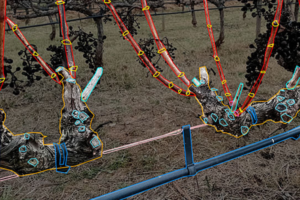
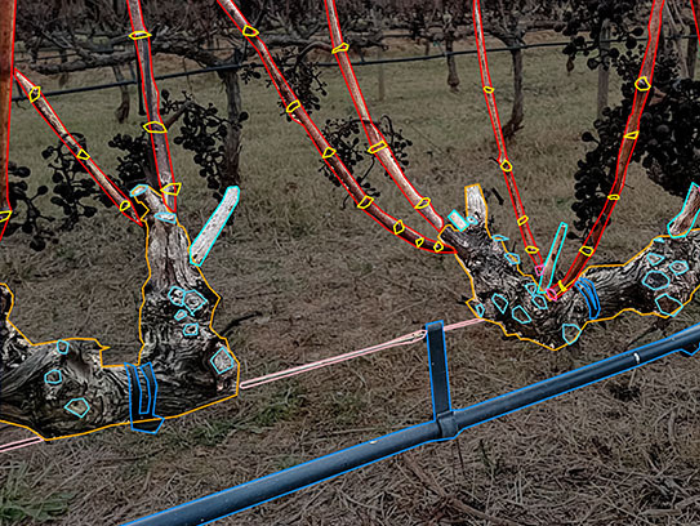
- The Center for Industrial Equipment Design (CDEI-UPC) at the Universitat Politècnica de Catalunya - BarcelonaTech (UPC) is participating in a cross-border project aimed at promoting the use of advanced digital technologies in viticulture in regions on both sides of the Pyrenees. The initiative seeks to improve specialist training, technical advice and decision-making in vineyard management.
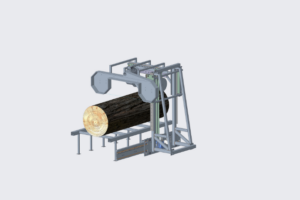
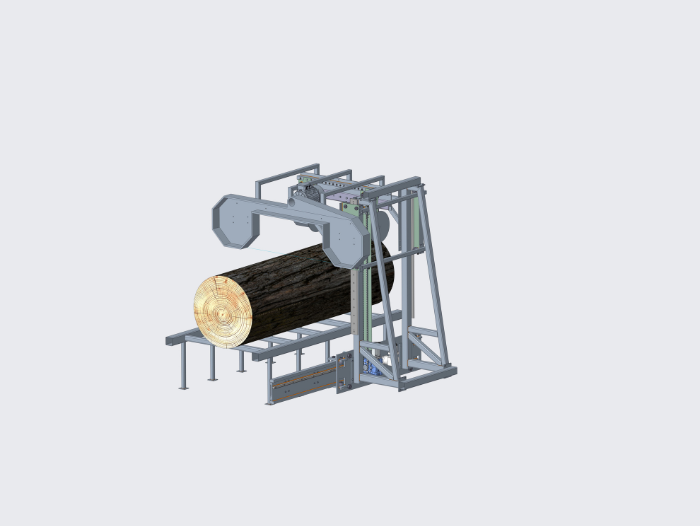
- The Centre for Industrial Equipment Design (CDEI) at the Universitat Politècnica de Catalunya - BarcelonaTech (UPC), together with the IRI, Institut de Robòtica i Informàtica Industrial (CSIC-UPC), is participating in the development of a pre-commercial prototype of an automatic portable sawmill that integrates computer vision, artificial intelligence and computer numerical control to improve productivity, efficiency and safety in local wood processing for the company Envall Coop. S.L.
STOR-HY: More flexible, efficient and resilient hydropower storage for the European electricity grid
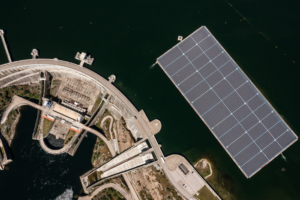
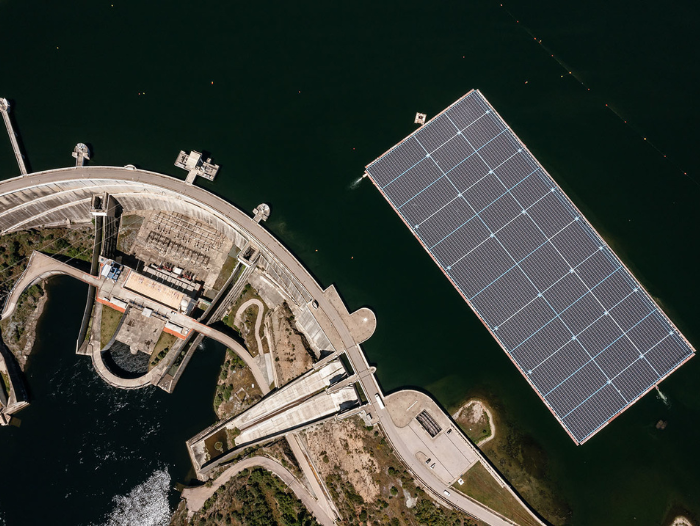
The Center for Industrial Diagnostics (CDIF) at the Universitat Politècnica de Catalunya - BarcelonaTech (UPC) coordinates the European STOR-HY project, which develops digital tools, monitoring systems and advanced models to optimise the operation of pumped-storage hydropower plants and reduce their investment and maintenance costs.