


PROPULSION SYSTEMS
- Advanced electric propulsion systems (electromobility) and hybrids
- Electricity storage
- Fast charge (wired and wireless)
- Alternative fuels (hydrogen, synthetic). Use of hydrogen for heavy transport.
- High efficiency thermoelectric systems
- Optimisation of ion engines in combustion
- Acoustics and analysis of the vibration signal
- Advanced cooling systems
- Catalysts for the elimination of methane emissions in vehicles propelled by natural gas
- Catalysts for the elimination of soot and carbon monoxide in vehicles propelled by petrol and diesel
- Synthetic fuels for the automobile industry
- Combustibles sintéticos para automoción
ADVANCED MATERIALS
- Advanced replacement materials: recycled and recyclable materials
- Multifunctional nanomaterials
- Multi-material design
- Light and resistant materials
- Surface coatings
- Tribology
- Material forming technologies
- Resistance of materials and deformable solid mechanics
- Highly resistant metal alloys due to microstructural design
- Functionalisation of materials for mechanical resistance, electrical conductivity, biocompatibility and weldability
- Replacement of scarce materials. Recovery of rare earths.
- Sustitución de materiales escasos. Recuperación de tierras raras.

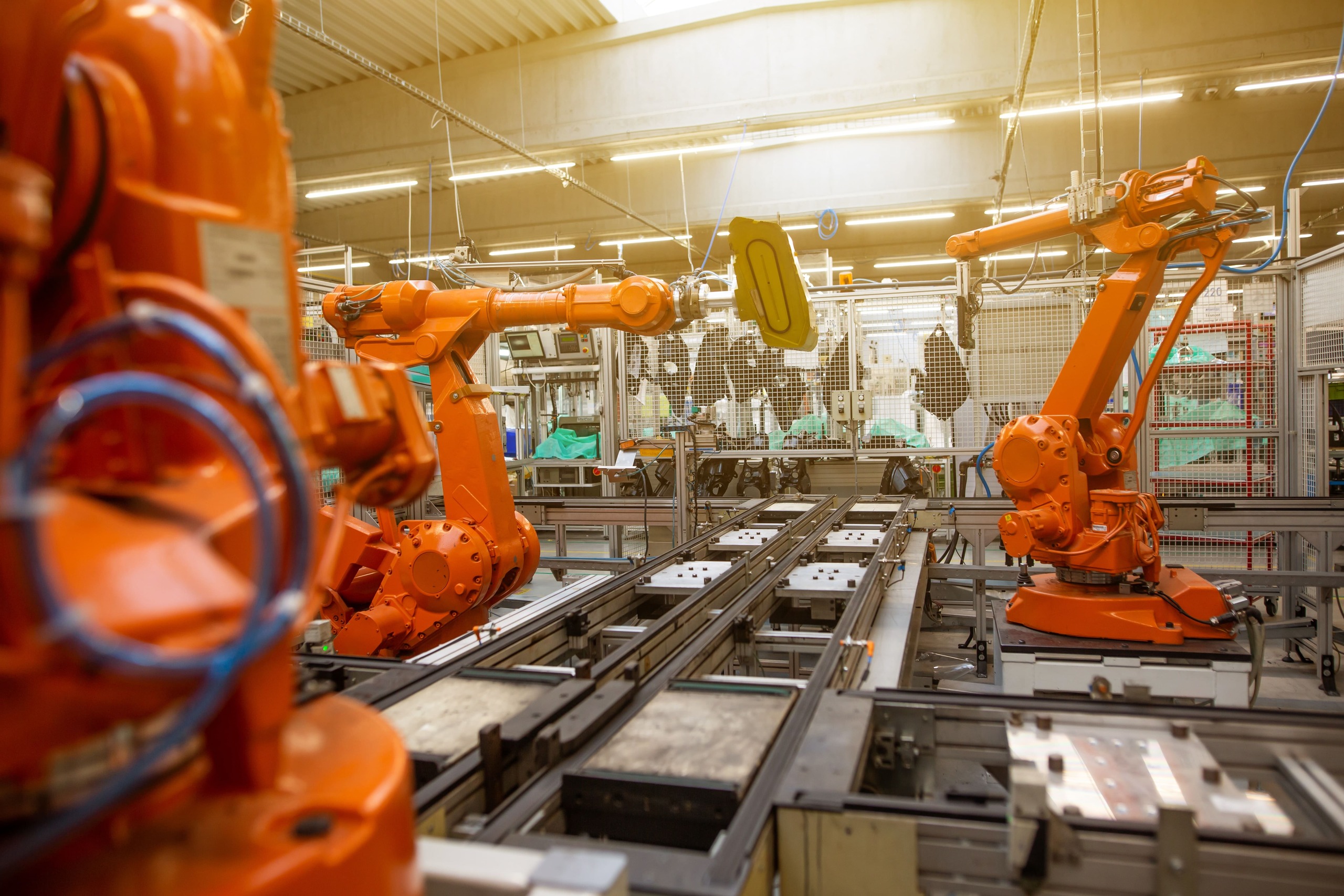
SIMULATION
- Computational fluid dynamics (aerodynamics, aeroacoustics, heat transfer, etc.)
- Simulation of traffic management
- Structural computational mechanics (collision, rigidity, dynamics, durability, vibroacoustics, etc.)
- Evaluation of the thermal and fluid dynamic behaviour of components
- Fuel and energy consumption
- Characterisation of light sources and design of illumination systems
- Ergonomics
- Component design by computational fluid dynamics (CFD) and computational solid mechanics (CSM)
ADVANCED MANUFACTURING
- Flexible manufacturing
- Design for circular manufacturing
- Efficiency in manufacturing processes
- Computer-assisted technologies
- Smart logistics systems
- Quality control
- Additive manufacturing process of metal materials
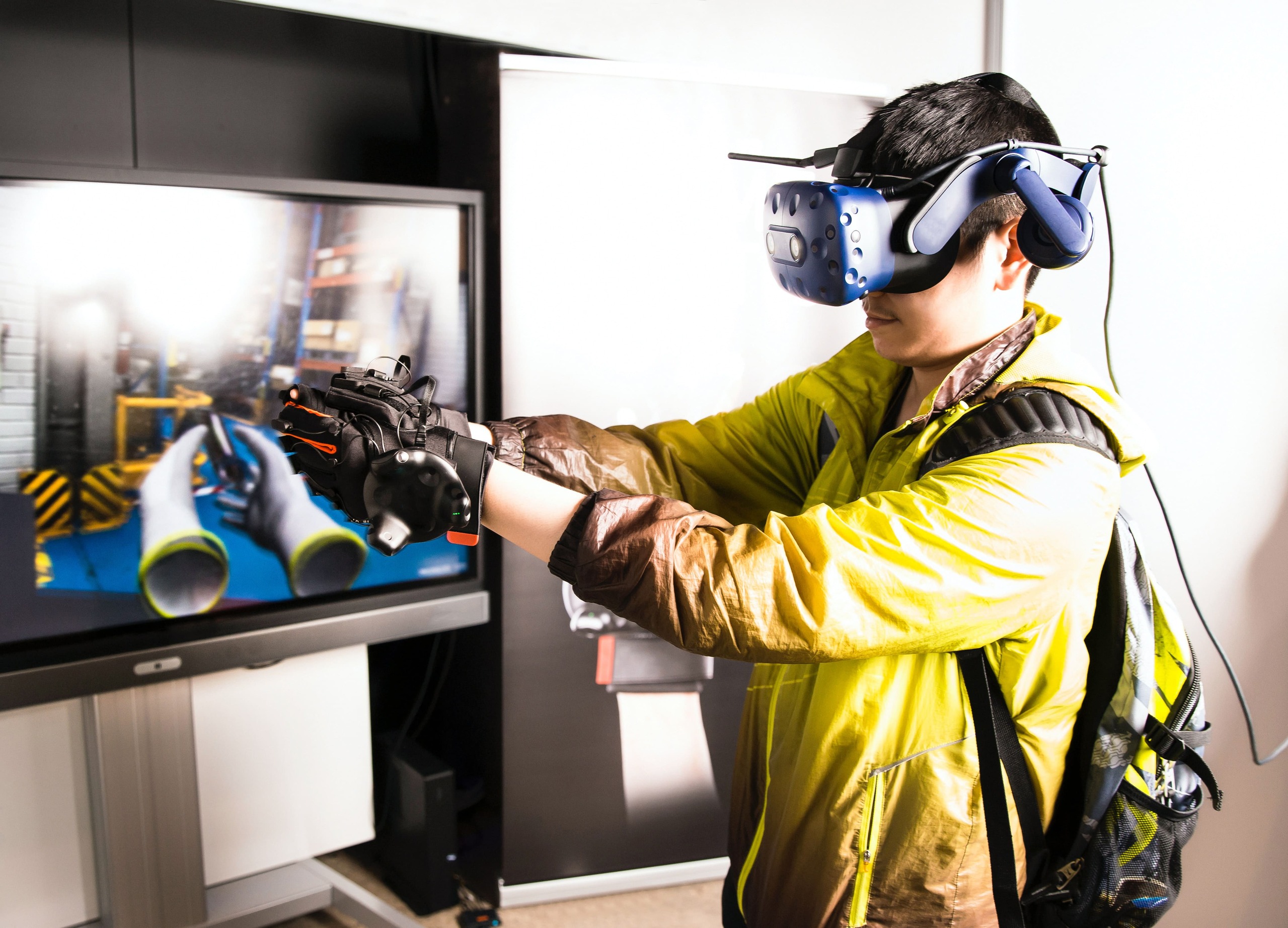

SECURITY AND COMFORT
- Active and passive security
- Structural integrity and reliability
- Biomechanics
- Adaptive and integrated control interface
- Rear vision systems
- Machine-to-machine connectivity
- Smart vision systems
- Sensors
- Infotainment and telematics
- Assisted systems for autonomous driving
- Haptic interfaces
- Advanced display systems (virtual and augmented reality)
- Acoustic comfort: noise, vibrations and stridency
ELECTRICITY, ELECTRONICS
- Human-machine interfaces (HMI)
- Software for smart management of electric vehicle components
- Smart antenna systems for wireless systems
- High-voltage and energy distribution systems
- Energy management
- Smart batteries with innovative materials, designs and technologies
- Bidirectional charging
- Electromagnetic compatibility
- Power electronics
- Driver assistance systems (advanced driver assistance systems, ADAS)


SMART MOBILITY
- Sustainable urban mobility
- Dynamic traffic models
- Applications for active management and traffic information
- Networks of flexible routes
- Adaptive traffic signals
- Autonomous driving
- Urban logistics
- Route algorithms
- Integration for smart cities
- Development of protocols/V2I (Vehicle-to-Infrastructure) and V2V (Vehicle-to-Vehicle) communication devices
- Management of shared electric vehicles
- Machine learning to analyse data captured with IoT devices
ELECTRIC VEHICLE
- Drive systems (morphologies of reluctance electric motors and permanent magnet motors, hybrid systems, axial flow engines, etc.)
- Modelling and control of electric motors
- Design and development of chargers and V2G (vehicle-to-grid)/V2H (vehicle-to-home) systems based on proprietary and standard protocols
- Definition of specifications for charging stations
- Design of ultrafast charging stations
- Battery chargers
- Battery management systems. Smart batteries. Life cycle and second life.
- New EMC requirements of electric vehicles
- Connectivity of electric vehicles with their surrounding environment
- Aeronautics and noise generation
- Analysis of the impact of electric vehicles in electric networks
- Analysis of new business models for electric vehicles
- Smart grids
- Energy control and management for electric vehicles in hybrid fuel cells
RELATED PROJECTS
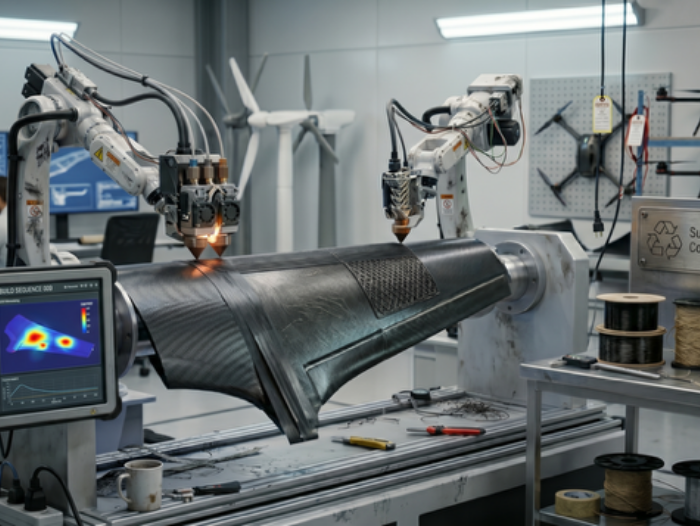
- The Control, Data and Artificial Intelligence (CoDAlab) research group at the Universitat Politècnica de Catalunya - BarcelonaTech (UPC) is taking part in the ATHENS project, which is developing recyclable thermoplastic composite materials with advanced real-time monitoring systems to improve the manufacture, safety and service life of lightweight structures.
- Researchers at the Universitat Politècnica de Catalunya - BarcelonaTech (UPC) have developed a unique infrastructure serving the UPC, research centres and companies for the experimentation and validation of technologies and services using next-generation networks. This platform enables the validation of 5G solutions in real-world scenarios and leads research towards 6G, facilitating technology transfer to the market.
- The Biological Treatment of Gaseous Pollutants and Odours Group (BIOGAP) at UPC is participating in the BIOMETCRI project, which aims to implement an innovative biotechnological process to recycle batteries from electric and hybrid vehicles, recovering valuable metals such as cobalt, lithium, nickel, and manganese.
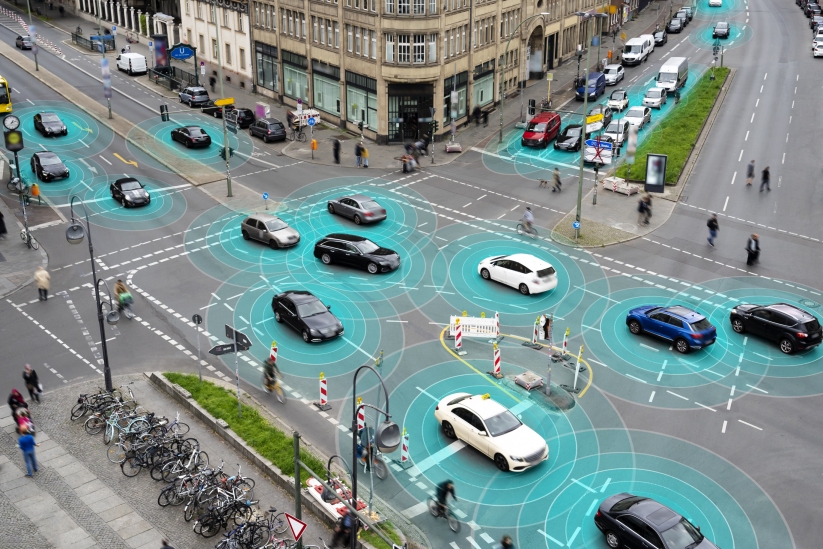
- A multidisciplinary team at the Universitat Politècnica de Catalunya - BarcelonaTech (UPC) is working on the European project AI - Enhanced Fibre -Wireless Optical 6G Network in Support for Connected Mobility (6G-EWOC) to develop technologies and a 6G optical network that will combine artificial intelligence with 6G technologies, remote sensing systems and optical communication (wireless and by optical fibre). The result will be a network that will enable autonomous and human-driven vehicles to circulate safely, avoiding accidents in zones that have a lot of traffic or are very busy.