

TECHNOLOGICAL CAPABILITIES

OCEAN ENERGY
- Tidal power, wave power, offshore wind power, ocean thermal energy conversion, energy form currents and blue energy or salinity gradient energy.

MARITIME TRANSPORT
- Energy saving, reduction of contamination and improvement in management of energy quality and emissions.

PORT ACTIVITIES
- Studies of the traffic of boats in ports and air quality, using data from the automatic identification system (AIS) during manoeuvres.
- Production and maintenance of shipyards.

MARINE LIVING RESOURCES
- Prediction of hydro-morphodynamic and ecological evolution.
- Management of coastal bays.
- Monitoring of estuaries.
- Use of meteo-oceanographic conditions.
- Automatic learning. Modelling and display of marine agriculture data.
- Integrated multi-trophic aquaculture (MTA) techniques.
- Analysis and effect of meteorological and seasonal variables on the breeding system.
- Systematic studies of localization and monitoring of marine species to understand their behaviour.
- Measure of surface circulation forced by waves breaking. Monitoring habitat degradation.

INFRASTRUCTURE
- Addressing the negative impact of coastal construction on biodiversity.
- Reduction of the acoustic impact and vibrations from these constructions.
- Establishment of standards for terminology and methodology.
- Control of wind turbines and electricity substations and numerical modelling to take advantage of wave energy.

THE BLUE BIOECONOMY & BIOTECHNOLOGY
- Studies of natural pressures on the sea and those derived from humans.
- Development of a European system for ocean observation.
- Estimations of the amount of plastic floating on the surface of the ocean.
- Comprehensive modelling to trace the movement of plastic over the ocean.

SHIPBUILDING AND REPAIR
- Manufacture of vessels. Efficient, digitalized, automated and modular production of boats.
- Integration of the industrial internet of things (IIoT).

MARINE NON-LIVING RESOURCES
- Supply of critical raw materials.
- Improvement in underwater capture equipment (collectors).
- Seawater processing techniques and desalination.

COASTAL TOURISM
- Improvement in coverage in time and space, and in the resolution and quality of marine observations.
- Water management with innovative systems to manage reserves and the planning of trips.
RELATED PROJECTS
- The UPC Department of Computer Architecture coordinates the European project Vitamin-V, in which a complete set of hardware-software is developed for cloud services, based on the latest open-source technologies for RISC-V processors.
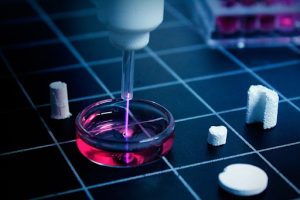
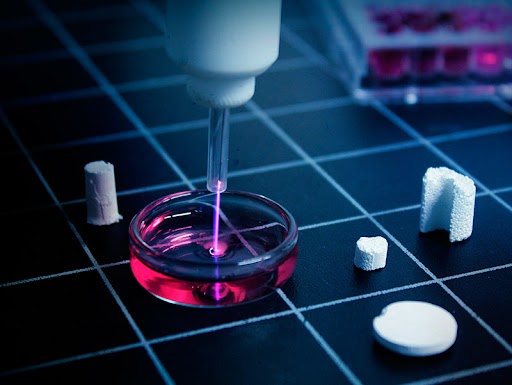
- Researchers from the Plasmas for BioMedical Applications Laboratory (PlasmaMED Lab) of the Department of Materials Science and Engineering of the Universitat Politècnica de Catalunya - BarcelonaTech (UPC), are working to develop a new treatment for bone cancer, which avoids the secondary effects of conventional treatments – such as chemotherapy – and enables bone regeneration when the tumour has been surgically resected.
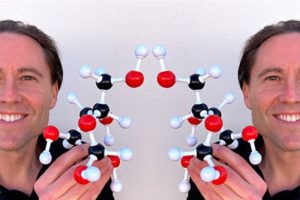
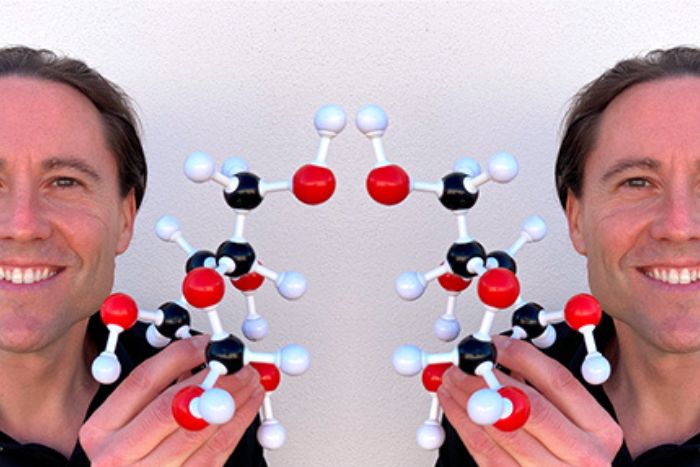
- The research group Polyfunctional Polymeric Materials (POLY2) of the Universitat Politècnica de Catalunya - BarcelonaTech (UPC) will work on the project CELICOIDS - Nanohelicoid metamaterials templated by cellulose nanocrystals with end-tethered polymers. As part of this project, it will develop new metamaterials −materials designed to have a property that is not found in nature – that can increase the spectroscopic sensitivity to distinguish molecular chirality.
- The research group Barcelona Fluids & Energy Lab (IFLUIDS) and the Centre for Technological Innovation in Static Converters and Drives (CITCEA) of the UPC participate in the European project H-HOPE, which is focused on the development of solutions to produce clean energy based on water sources that have still not been exploited, such as pipes and water channels.