


TECHNOLOGICAL CAPABILITIES
DIGITAL INFRASTRUCTURE
BIG DATA AND DATA ANALYSIS
- Management and processing of large quantities of data in real time
- Parallel distributed processing
- NoSQL database
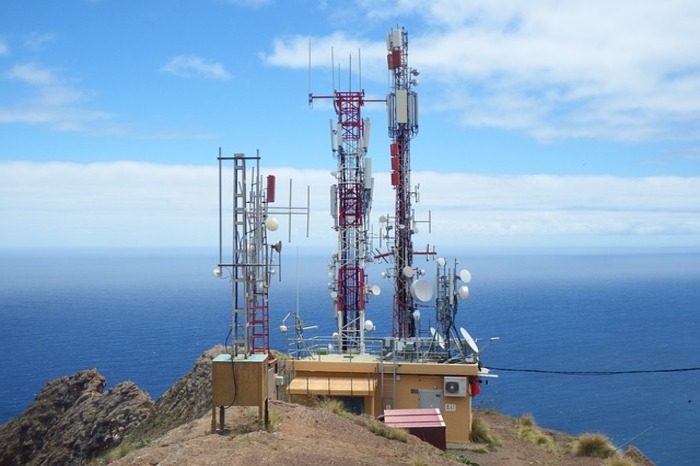
MOBILE TECHNOLOGIES
- 5G/6G
- Antenna Systems
- New processors
- Cognitive networks
- Satellite communications
- Mobile IoT
- Geolocation and location-based services
- LoRa Mesh
- Satellite remote sensing (terrestrial, oceanic)
CYBERSECURITY
- Privacy and data protection
- Security of infrastructure, networks and communications
- Development of digital identity systems
- Biometry and encryption
COLLABORATIVE INTERNET
- Integration of social networks
- P2P distribution systems
- Multimedia information systems
AUTOMATION
MANUFACTURING
- Smart monitoring and optimisation of industrial and logistics processes
- Improvement in industrial communications
- Quality control through computer vision and sensors
- Water management systems
- Additive manufacturing
ARTIFICIAL INTELLIGENCE
- Edge computing
- Machine learning
- Modelling
- Neural networks
- Computer vision
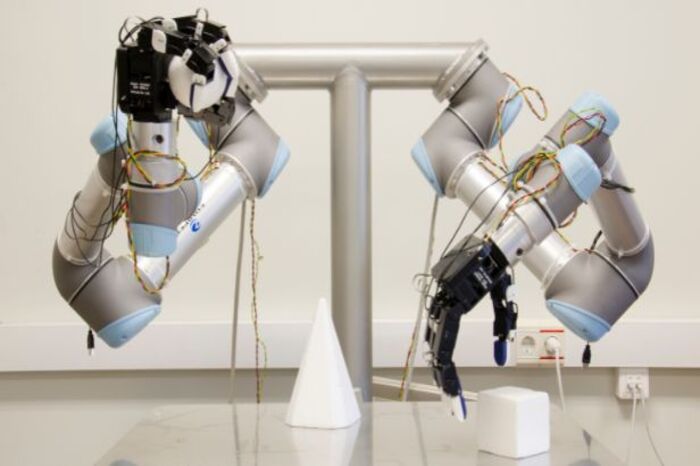
ROBOTICS
- Speech synthesis and automatic language processing
- Vision perception and control systems and guide robots
- Automated customer services
- Smart, cowork and assistance robots
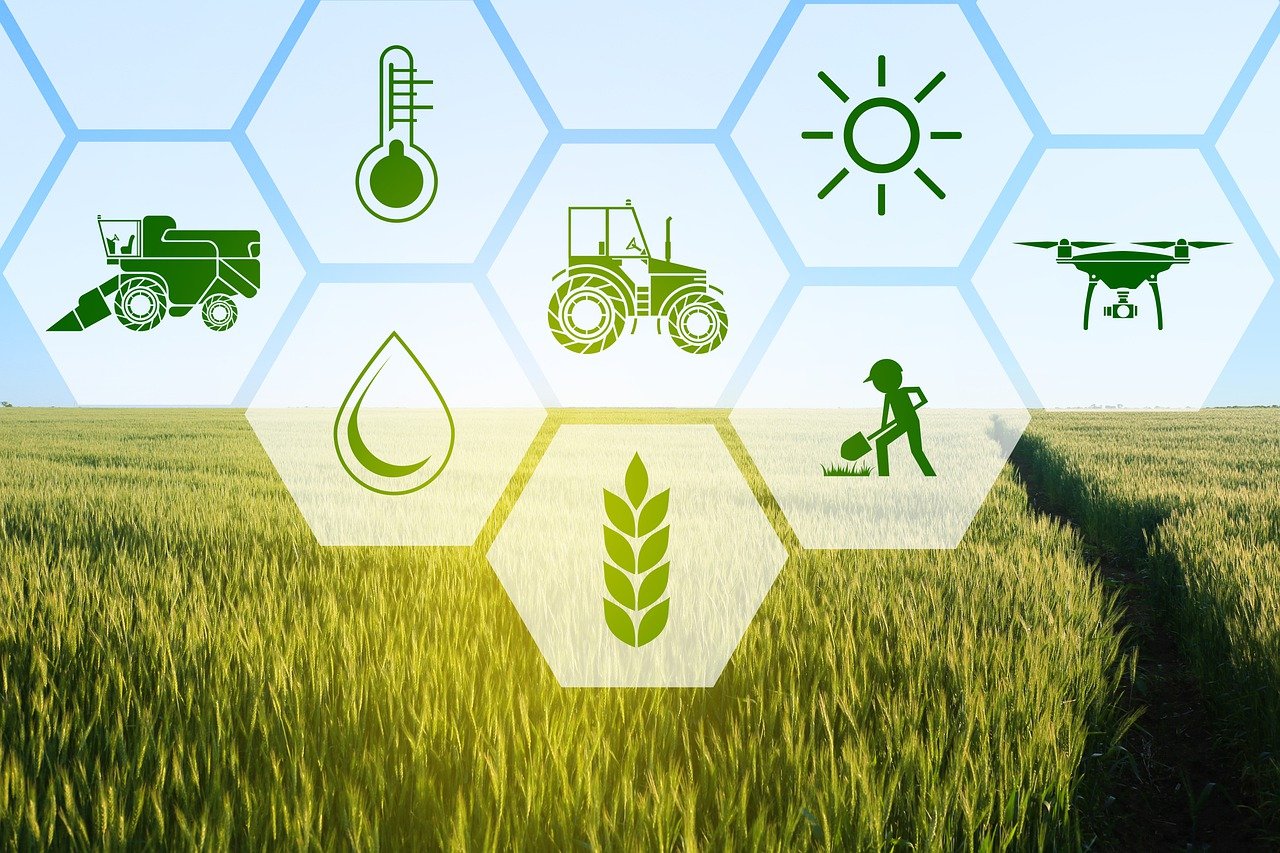
e-AGRICULTURE
- Precision agriculture (smart farming)
- Agriculture 4.0
USER ORIENTATION

IMMERSIVE TECHNOLOGIES/USER EXPERIENCE
- Virtual reality
- Augmented reality
- Metaverse
DIGITAL HEALTH / eHEALTH
- Mobile devices / wearables
- Apps for monitoring of biomedical signals and “remote care” services

SMART CITIES
- Simulation and optimisation of energy efficiency
- Traffic management and smart resources
- Waste reduction
APPLICATION SECTORS

AERONAUTICS

AUTOMOTION

INFRASTRUCTURES

HEALTH

MANUFACTURING

TEXTILES
RELATED PROJECTS
- Energy consumption in training and inference of artificial intelligence (AI) models, such as large language models (LLMs) like GPT-4, has become a critical challenge due to its environmental impact and the costs associated with high-performance computing (HPC). The energy required to train these models and interact with them increases significantly as the models grow in size and complexity.
- The adoption of 6G applications will have a positive impact on a broad range of innovations set to transform our society in the future. These include autonomous vehicles that reduce accidents, more efficient emergency services, and connected drones that expedite the delivery of medical supplies between healthcare centres, to name a few examples. These and other emerging solutions continue to evolve, driven by the constant technological advancements in communications. The implementation of these new technologies requires a process that inevitably involves testing in environments as true to real-life conditions as possible.
- As part of the USEFUL project, the Centre for Sensor, Instrumentation and Systems Development (CD6) at the Universitat Politècnica de Catalunya - BarcelonaTech (UPC) has equipped a low-emission vehicle that will drive through the streets of Terrassa with optical sensors integrated into a complex system for data computing, visualisation, and storage. This car will collect and store thousands of anonymous driving data points, which will be used to develop more accurate algorithms for autonomous driving.
- The Remote Sensing Acquisition Systems Development Centre (SARTI UPC) has developed a new model of buoys to record ocean currents and temperatures as part of the European project Multi-Sensor Extra Light Oceanography Apparatus (MELOA). This is a DRIFTER, or a low-cost, low-power surface drifting buoy, which is easy to use, impact-resistant, multi-purpose, multi-sensorial, and very lightweight. It is designed to be used in all aquatic environments, from the deep sea to inland waters, including coastal areas, river plumes, and wave-breaking zones.


