


TECHNOLOGICAL CAPABILITIES
DIGITAL INFRASTRUCTURE
BIG DATA AND DATA ANALYSIS
- Management and processing of large quantities of data in real time
- Parallel distributed processing
- NoSQL database
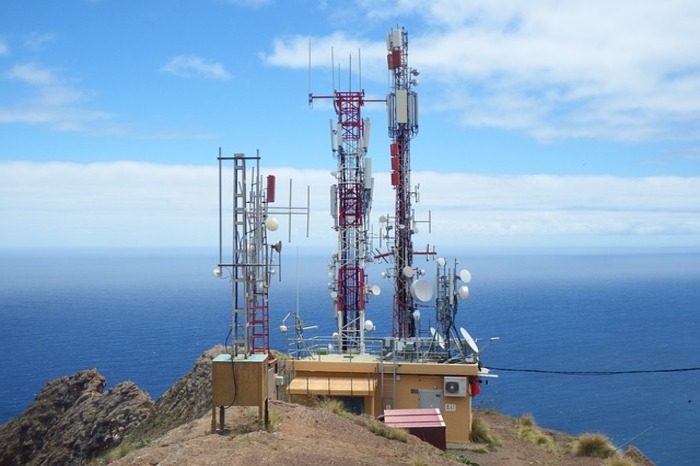
MOBILE TECHNOLOGIES
- 5G/6G
- Antenna Systems
- New processors
- Cognitive networks
- Satellite communications
- Mobile IoT
- Geolocation and location-based services
- LoRa Mesh
- Satellite remote sensing (terrestrial, oceanic)
CYBERSECURITY
- Privacy and data protection
- Security of infrastructure, networks and communications
- Development of digital identity systems
- Biometry and encryption

COLLABORATIVE INTERNET
- Integration of social networks
- P2P distribution systems
- Multimedia information systems
AUTOMATION

MANUFACTURING
- Smart monitoring and optimisation of industrial and logistics processes
- Improvement in industrial communications
- Quality control through computer vision and sensors
- Water management systems
- Additive manufacturing
ARTIFICIAL INTELLIGENCE
- Edge computing
- Machine learning
- Modelling
- Neural networks
- Computer vision
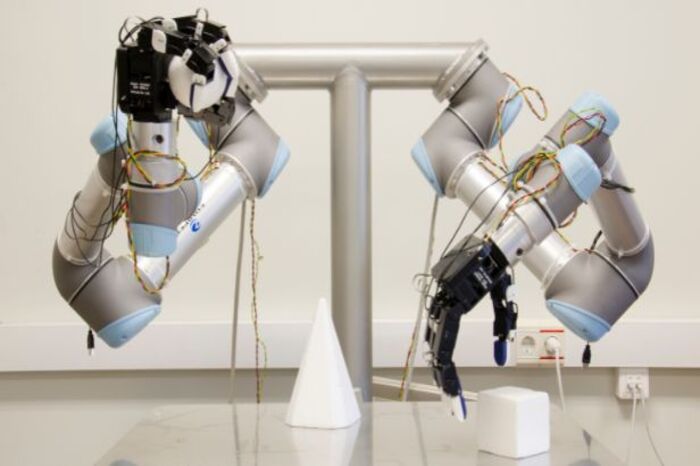
ROBOTICS
- Speech synthesis and automatic language processing
- Vision perception and control systems and guide robots
- Automated customer services
- Smart, cowork and assistance robots
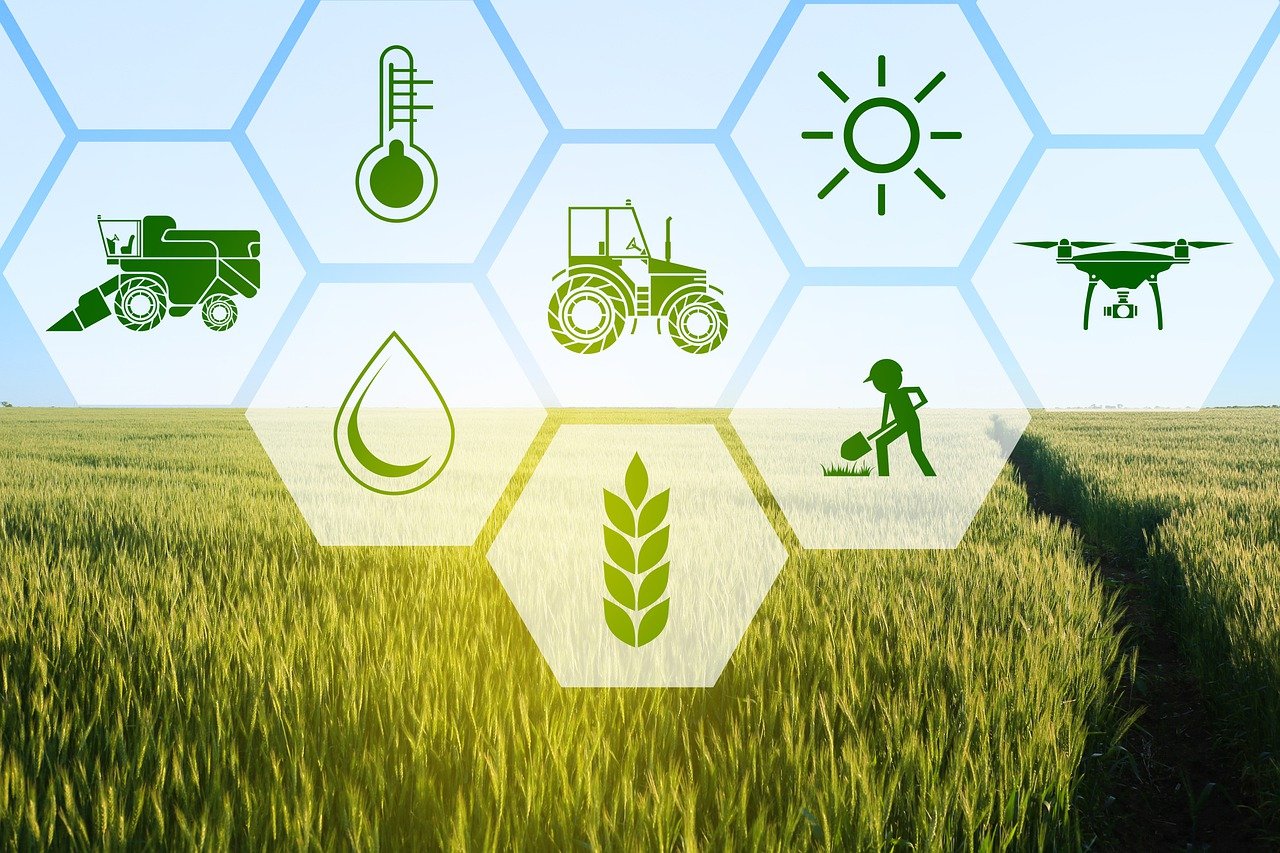
e-AGRICULTURE
- Precision agriculture (smart farming)
- Agriculture 4.0
USER ORIENTATION

IMMERSIVE TECHNOLOGIES/USER EXPERIENCE
- Virtual reality
- Augmented reality
- Metaverse
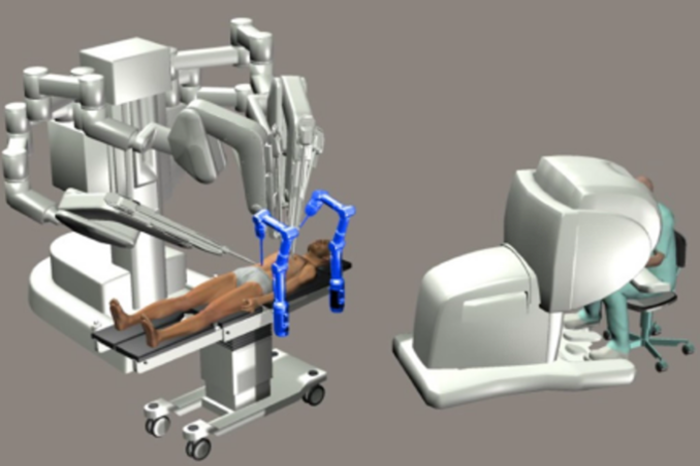
DIGITAL HEALTH / eHEALTH
- Mobile devices / wearables
- Apps for monitoring of biomedical signals and “remote care” services

SMART CITIES
- Simulation and optimisation of energy efficiency
- Traffic management and smart resources
- Waste reduction
APPLICATION SECTORS

AERONAUTICS

AUTOMOTION

INFRASTRUCTURES

HEALTH

MANUFACTURING

TEXTILES
RELATED PROJECTS
- A team of researchers from the ISI group at the UPC is developing technology to be able to monitor animals’ cardiovascular parameters in a non-invasive way. This tool is designed to facilitate the work of vets and professionals who look after animals, as it can be used to measure vital signs in as little time as possible and provides more information than current electrocardiogram systems.
- A multidisciplinary team whose participants include the Microbiology Service of the Vall d’Hebrón University Hospital, the Microbiology research group of the Vall d’Hebron Research Institute (VHIR), the Computational Biology and Complex Systems Group (BIOCOM-SC UPC), the Image and Video Processing Group (GPI) and the Database Technologies and Information Management Group (DTMI) at the Universitat Politècnica de Catalunya - BarcelonaTech (UPC), and Fundación Probitas, have presented a new diagnostic method for malaria based on artificial intelligence.
- The Construction Research and Innovation Group (GRIC) at the UPC is driving the N2B2 project to develop new technology so that heating and air conditioning can be turned on and off via predictive control.
- Cities are responsible for 80% of global energy consumption, 70% of total waste generation and 60% of greenhouse gas emissions of the planet. For this reason, measures need to be taken to transform cities into more sustainable, circular ecosystems.


