

VIDA: smart ventilation to detect the level of purification of indoor air
April 6, 2021
Internet of Food & Farm: The Internet of Things applied to agriculture and livestock farming
April 28, 2021The Centre for Technological Innovation in Static Converters and Drives (CITCEA) of the UPC is one of 14 partners in the European project BEYOND, whose aim is to implement local electricity markets to maximise the introduction of renewable energies, using flexible mechanisms in response to demand or batteries.
The European Commission is promoting the development of solutions to the challenges of electricity grids in the future renewable-based energy system. The local exchange of electricity could contribute to resolving this challenge and permit, for example, that the surplus generated by a photovoltaic panel could be offered to another user in the network. In this respect, blockchain technology offers new opportunities to design electricity markets and develop new business models that include the integration of local electricity markets into current national markets.
In this context, the European project BEYONDis part of the ERA-Net Smart Energy Systems initiative, supported by the research and innovation programme Horizon 2020 of the European Union. Participants include 14 members of 8 countries, including the Universitat Politècnica de Catalunya · BarcelonaTech (UPC), through the Centre for Technological Innovation in Static Converters and Drives (CITCEA), under the leadership of researchers Mònica Aragüés and Andreas Sumper. In the project, CITCEA collaborates closely with the start-up FLEXIDAO, which is specialised in blockchain technology.

More sustainable energy generation models
The flexibility of electrical systems is fundamental in the process of energy transition to increasingly sustainable energy generation models. Flexible systems can adapt safely and efficiently to conditions of variability in energy generation and demand. The BEYOND project is designed to respond to these challenges through local electricity markets based on smart contracts and blockchain technologies, which include the use of peer-to-peer networks (P2P) and flexible markets.
In this project, various formulae will be studied for the interaction of local markets in national markets, with the idea of proposing and defining specific alternatives for each country, according to their own requirements. To validate the tools developed during the project, the aim is to implement a decentralised local market in three pilot projects in Austria, Ireland and Norway.
CITCEA will participate actively in the tasks of designing local markets, identifying and characterising the actors, roles and relations, and the cases of use for decentralised solutions for the energy trade.

Tests in the SmartGrid Lab micronetwork
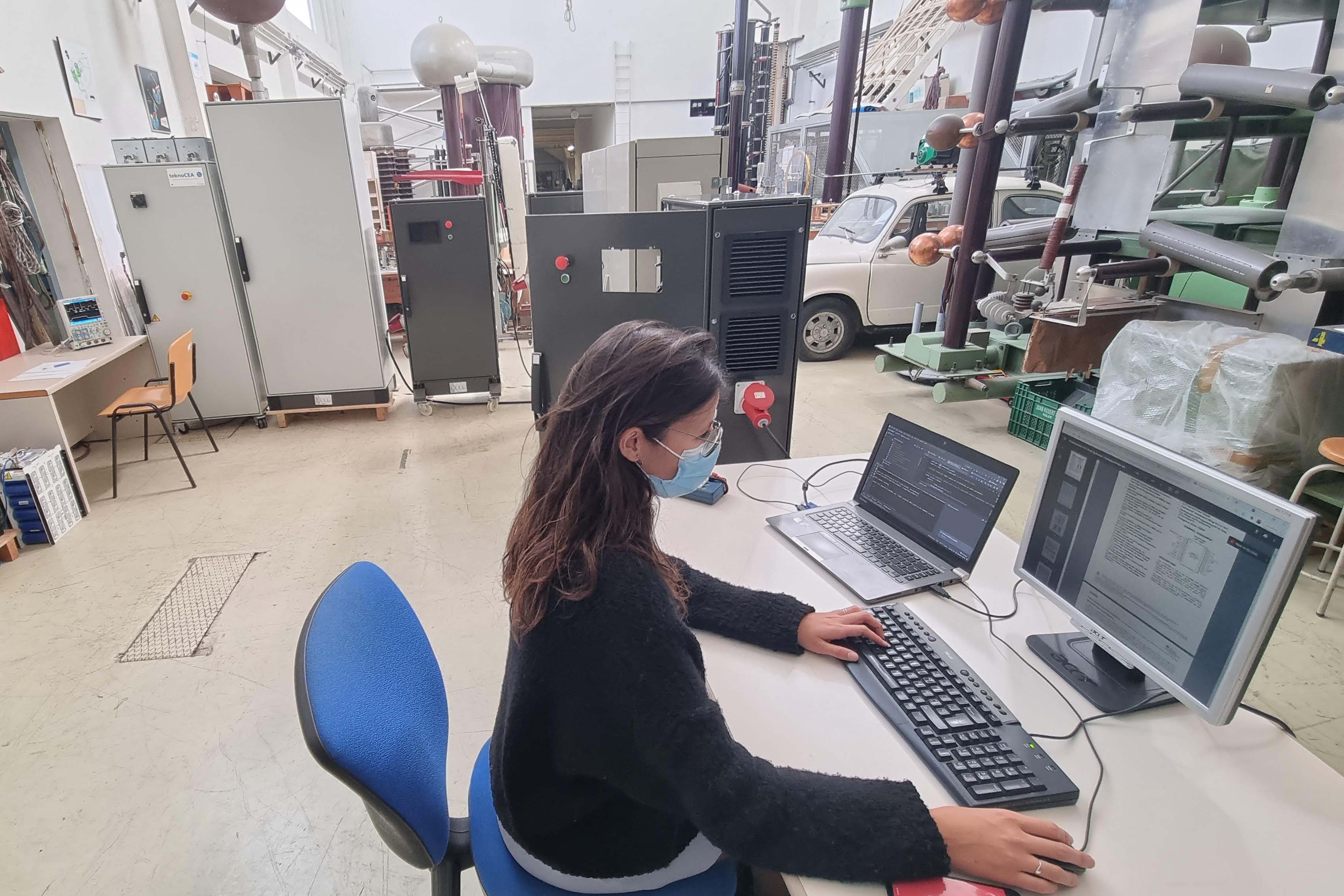
Before the implementation of the pilot projects, the resulting market platform will be tested in the SmartGrid Lab of CITCEA, which has successfully validated algorithms in previous European projects. SmartGrid Lab is a micronetwork that offers the opportunity to emulate various real elements (for example, photovoltaic panels, electric vehicles, batteries, etc.) and acts as a user or set of users in different situations of the electricity network.
As various emulated devices can be added, it is easy to scale up the analysed system and implement different cases of use to verify operation. The opportunity to use this facility makes it easier to test the solutions that are developed before they are tried out in a real environment. This reduces the impact on users and electricity systems.
Related Projects
- A research team from the UPC, in collaboration with the company B. Braun Surgical, has created a ceramic and biocompatible catalyst that captures greenhouse gases and transforms them into useful chemical products in a more sustainable way and at a lower cost than current technologies. The technology has successfully passed the pilot phase through joint projects with companies from different sectors.
- The company Trace ID and the group Twin Investors, in collaboration with the Textile Technology research group (TECTEX), which is part of the Institute of Textile Research and Industrial Cooperation of Terrassa (INTEXTER) at the Universitat Politècnica de Catalunya - BarcelonaTech (UPC), are developing electronic devices to identify, monitor, and study the traceability of the products in which they are embedded.
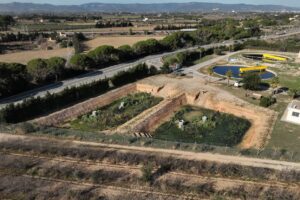
- The Hydrogeology Group (GHS) at the Universitat Politècnica de Catalunya - BarcelonaTech (UPC) is participating in the LIFE REMAR project to develop an innovative and sustainable solution for the reuse of treated wastewater through infiltration, with the aim of increasing the availability of freshwater resources and improving the state of ecosystems.
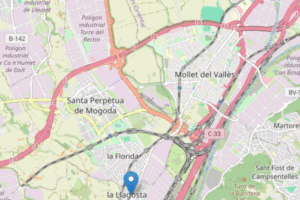
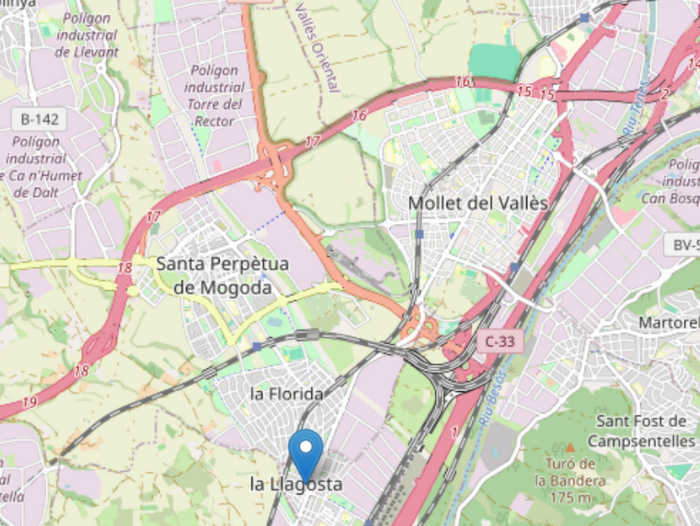
- A team from the Environment Centre Laboratory (LCMA) of the Universitat Politècnica de Catalunya - BarcelonaTech (UPC) is taking part in a study commissioned by the city councils of la Llagosta, Mollet and Santa Perpètua (in Vallès Occidental), with the main objective of identifying the impact of industrial plants on the generation of unpleasant odours and continuously monitoring air quality in these municipalities.