


SASACI: A smart assistance system for architecture and the construction industry
April 19, 2024
CULTISENSOR: Agricultural sensing machinery for mapping physical terrain conditions
April 29, 202422/04/2024
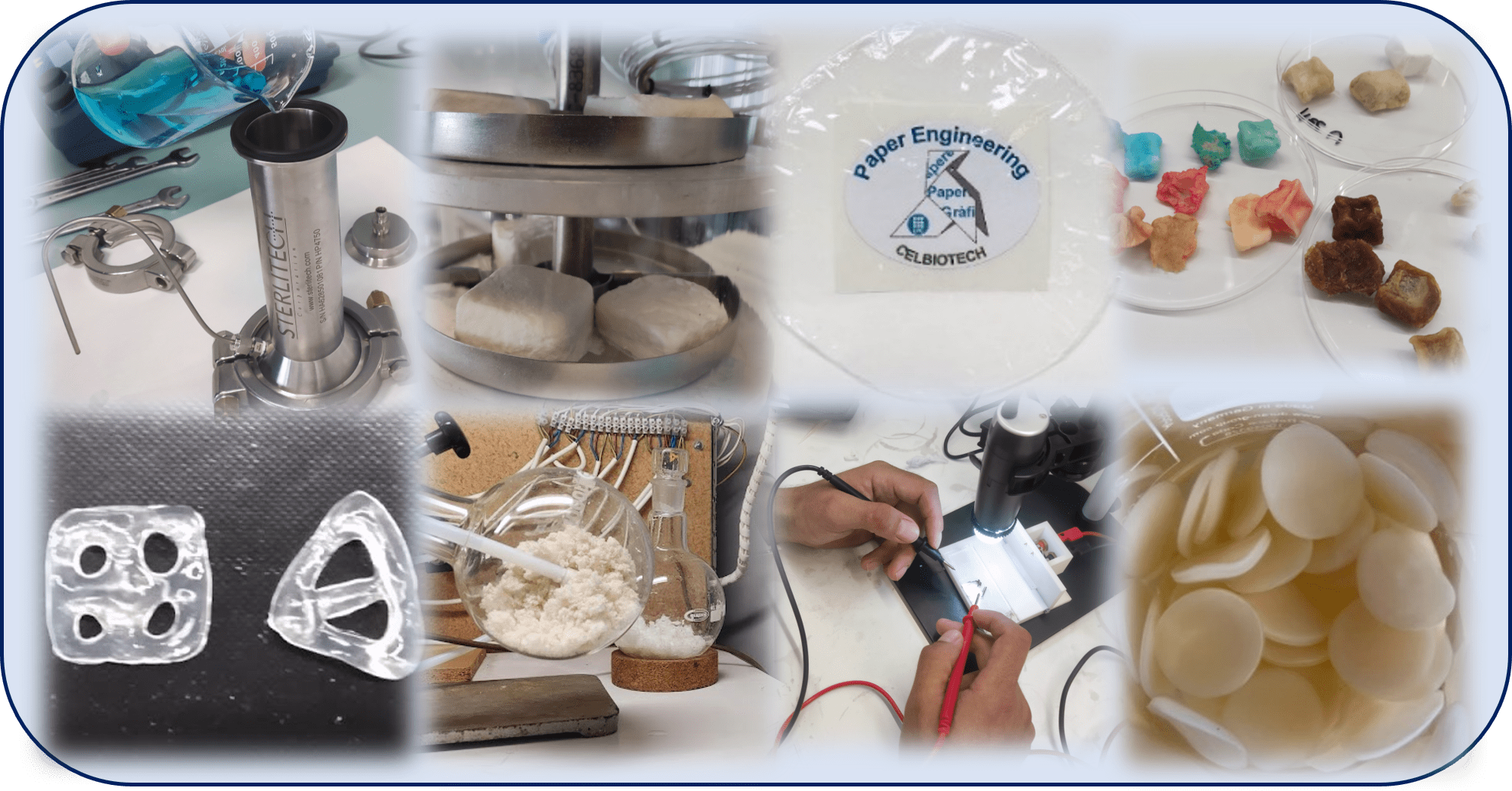
The Paper Engineering research group (CELBIOTECH) at the Universitat Politècnica de Catalunya - BarcelonaTech (UPC) is participating in a project to develop biodegradable materials from cellulose, to transform them into advanced, eco-friendly bioproducts.
The aim of the project is to use a natural, abundant resource, such as cellulose, and modify it in a sustainable manner to create advanced bioproducts that are biodegradable, to enhance the bioeconomy and the circular economy. These bioproducts will help to address current social, economic, industrial and environmental challenges related to packaging, water and air quality, and to advance in the early detection of critical health situations.
As part of the CELLECOPROD project, the structural versatility of cellulose will be exploited to modify it physically, chemically and enzymatically, and thus develop these advanced bioproducts. Cellulose will be worked with on macro and nano scales. It will be used individually and combined with other biopolymers to achieve the desired properties, depending on the final application and considering the concept of eco-design.
The new materials will have three main applications:
- For biopackaging applications, the biomaterials will be able to protect the product inside the package from external agents and impacts. Laminate structures will be achieved based on cellulose with good physical-mechanical and optical properties, and high barrier properties against gases and liquids. In addition, three-dimensional structures such as aerogels will be constructed. They will be capable of absorbing the energy resulting from possible impacts during package transportation.
- In biomaterials created to improve water or air quality, cellulose will be modified with oxidative or enzymatic treatments, and functionalised with various biopolymers, to obtain cellulose structures that can efficiently remove contaminants through filtration processes (using membranes) or adsorption (using aerogels and hydrogels).
- Finally, biosensors will be developed using immobilisation strategies of biocomponents, to create continuous monitoring devices that can easily detect critical health situations.
The development of new biomaterials and eco-friendly products from natural resources such as plant biomass (in which cellulose is the main component) will ensure that they are biodegradable. Therefore, this project will contribute to reducing the large amount of non-biodegradable waste currently generated by petroleum-derived products (plastics), which have a significant environmental impact. Furthermore, the application of the eco-design concept is expected to minimise the amount of raw material used for the applications in which these new cellulose-based biomaterials would be used.
The main added value of the project is to find ways to transform cellulose into new eco-friendly products with different capacities and functionalities depending on their final application, and to replace other non-biodegradable materials that are harmful to the environment.
Budget and financing
The project is endowed with a total budget of €118,580, financed through the State Plan for Scientific and Technical Research and Innovation 2017-2020 (Spanish State Research Agency). It has a duration of four years (2021-2025).
Related Projects
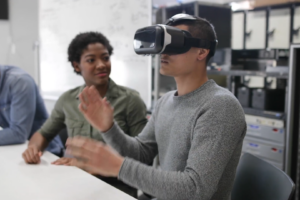
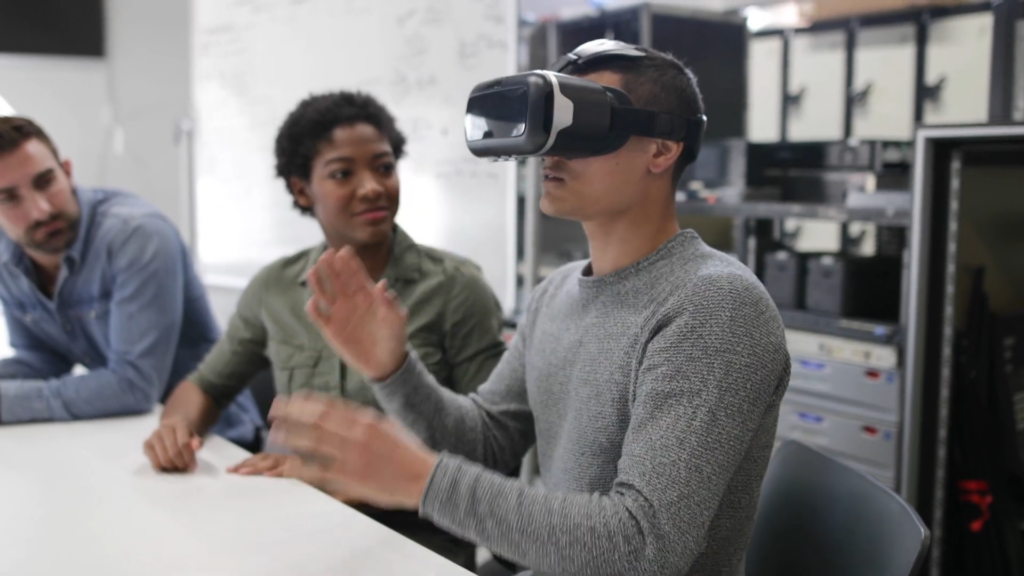
- The Visualisation, Virtual Reality and Graphic Interaction Research Group (ViRVIG) at the Universitat Politècnica de Catalunya - BarcelonaTech (UPC) has participated in the XR4ED project, an initiative that connects the educational technology (EdTech) and Extended Reality (XR) sectors, with the aim of transforming learning and training across Europe.
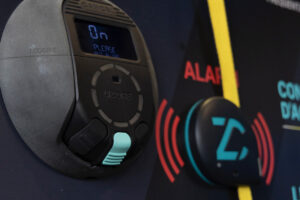
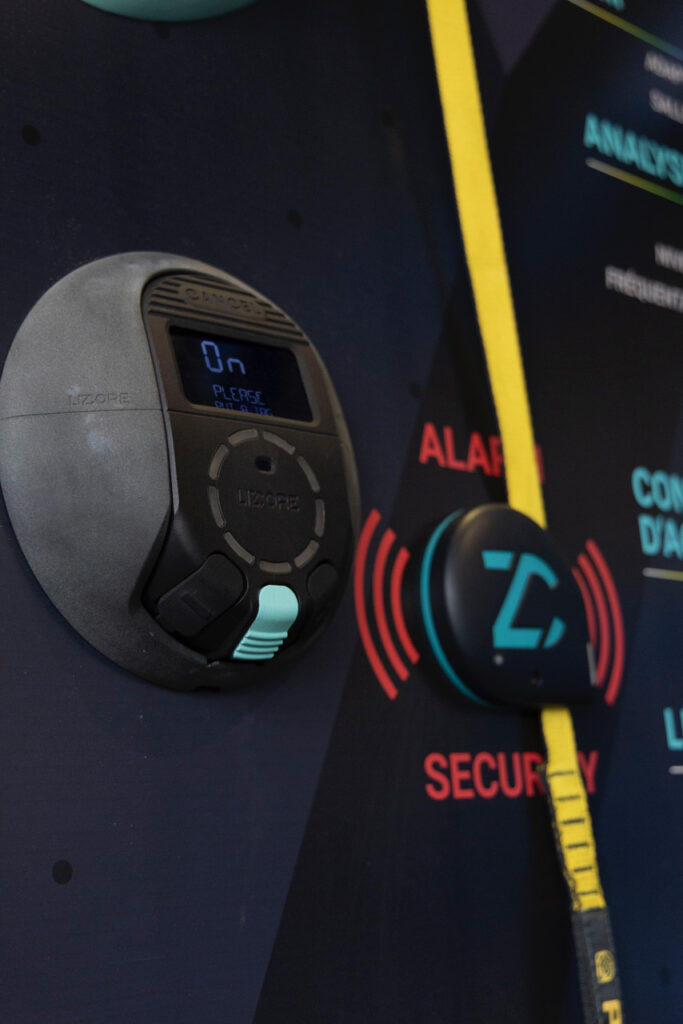
- The inLab FIB at the UPC has collaborated with Lizcore® for the development of a proof of concept based on artificial intelligence to improve safety in climbing with autobelay devices. The system allows the automatic and accurate detection of risk situations before starting a route.
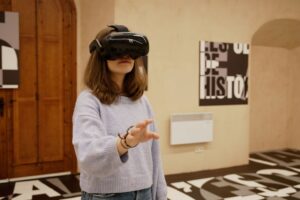
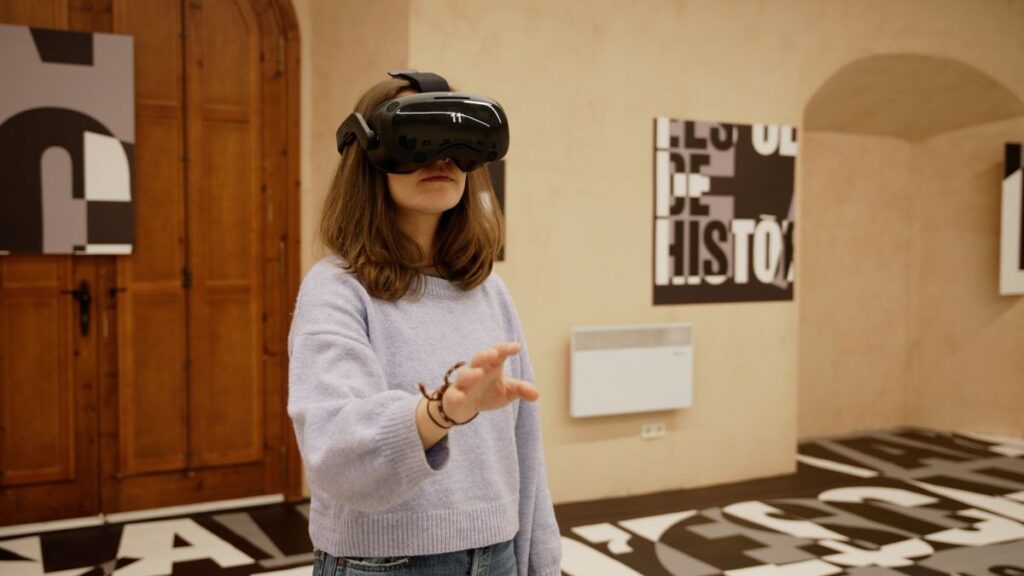
- Researchers from the Centre for Image and Multimedia Technology of the UPC (CITM) and from the DiCode research group (Digital Culture and Creative Technologies Research Group) of the Universitat Politècnica de Catalunya – BarcelonaTech (UPC) have worked on the project The Eyes of History, an initiative of the Catalan Agency for Cultural Heritage that offers an immersive view of Catalan cultural heritage. It is especially aimed at the first and second cycles of secondary education and was created to bring heritage into the classroom. Its goal is to bring the history and monuments of Catalonia closer in a vivid and innovative way, using tools such as virtual reality and new museographic narratives.
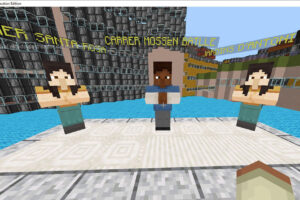
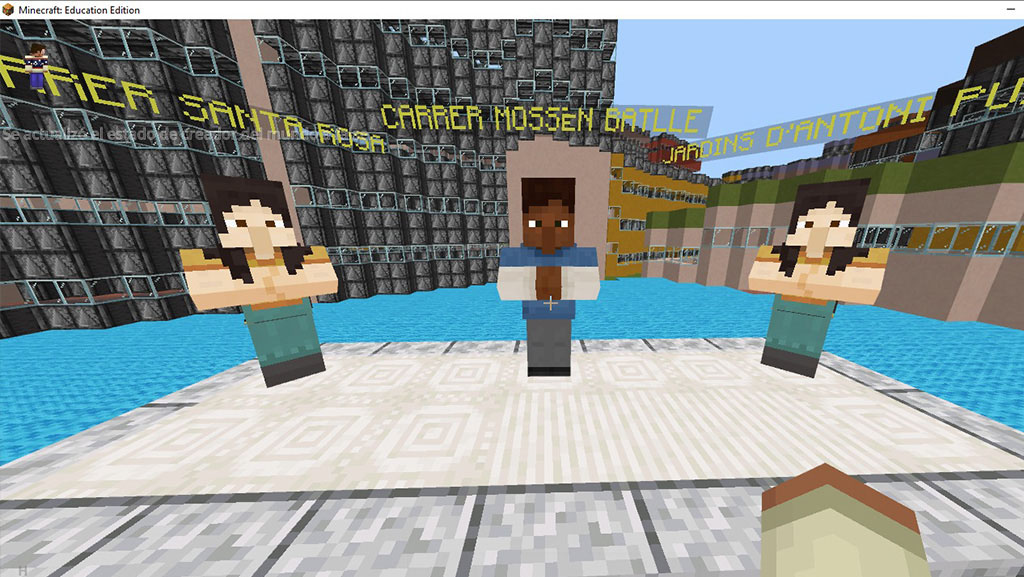
- City and Play is a social action project coordinated by researchers from the Centre for Image and Multimedia Technology (CITM) and the DiCode research group (Digital Culture and Creative Technologies Research Group) of the Universitat Politècnica de Catalunya – BarcelonaTech (UPC), the Universitat Oberta de Catalunya (UOC) and the University of Barcelona (UB), and funded by Barcelona City Council. The aim of the project is to promote civic competences and reflection on the urban environment among adolescents through the creation of an open framework that uses methodologies based on play, co-creation and storytelling.