

ROOTBot: An Autonomous Robotic System with Radar for Studying the Root Systems of Fruit Trees
December 9, 2024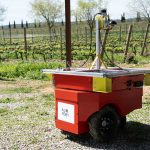
PREVENTBot: An Autonomous Robotic System to Enhance Real-Time Crop Monitoring and Exploration
December 19, 202418/12/2024
The project, led by the Centre for Advanced Technologies in Mechanics (CATMech) research group at UPC, aims to minimise the by-product waste in hemp cultivation through the development of a competitive industrial plant, reduce energy consumption, and increase comfort in buildings through research into innovative insulation panels in bioconstruction.
HEMPANEL will contribute to improving the energy efficiency of buildings by establishing the foundations for the future industrial development of innovative and efficient insulating panels, which will help mitigate both the causes and effects of climate change.
Hemp has garnered significant interest as a sustainable resource due to its broad spectrum of industrial applications. One of its recently investigated uses is as an insulating material in construction, where it offers significant environmental benefits, including negative CO₂ emissions and a prolonged lifecycle due to its recyclability. However, hemp cultivation generates a by-product that can represent up to 50% of the plant's total weight. This waste has been studied to add value, focusing on the production of thermo-acoustic insulating panels using recycled cardboard fibre for bio-construction.
The acoustic and thermal properties of hemp, which are comparable to or exceed those of conventional synthetic materials, make it a promising option for the sustainable construction sector. Additionally, incorporating recycled cardboard fibre as a binder further enhances its circularity properties, enabling the development of a composite biomaterial with competitive production costs and efficient manufacturing.
In this context, HEMPANEL focuses on achieving industrial manufacturing practices that minimise energy and water consumption as well as material waste, thereby reducing the carbon footprint.
The project is expected to result in the establishment of a pilot plant for the industrial manufacture of hemp-based insulating panels (utilising the by-product known as hemp-fiber) through research into innovative insulation panels that will help reduce energy consumption and increase comfort in buildings, and the creation of a new composite biomaterial using recycled cardboard fibre as a binder, which will reduce the amount of waste materials generated in hemp cultivation and contribute to the circular economy.
Specifically, the project will:
- Study the components and parameters of the pilot plant affecting the properties of the new insulating material, including mix fluidity, curing temperature, energy consumption, and water savings.
- Analyse the mechanical and insulating properties as well as the sustainability of the material produced, evaluate the pilot plant, and conduct a commercial viability study.
Budget and funding
The project has been funded through the Call for Knowledge Transfer Demonstration Activities under the PEPAC 2023-2027, by the Department of Agriculture, Livestock, Fisheries and Food at the Government of Catalonia. HEMPANEL has a total budget of €49,743.25 and a duration of 28 months (February 2024 - June 2026).

Hemp insulating panel
Action under the PAC 2023-2027 Strategic Plan co-funded by:

Related Projects
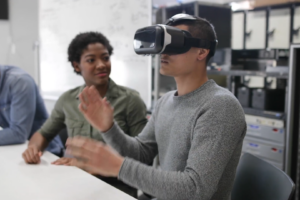
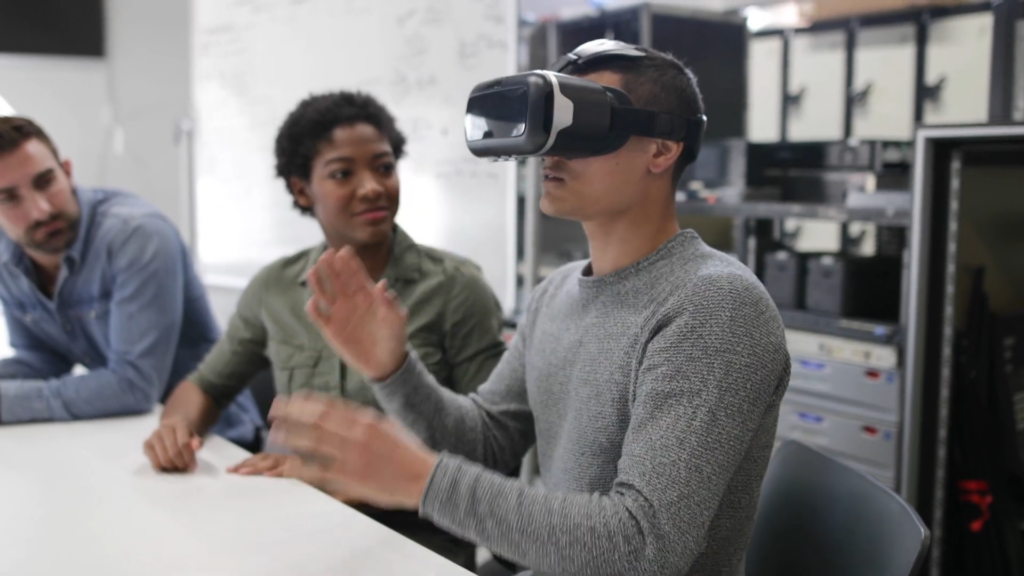
- The Visualisation, Virtual Reality and Graphic Interaction Research Group (ViRVIG) at the Universitat Politècnica de Catalunya - BarcelonaTech (UPC) has participated in the XR4ED project, an initiative that connects the educational technology (EdTech) and Extended Reality (XR) sectors, with the aim of transforming learning and training across Europe.
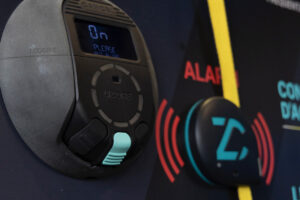
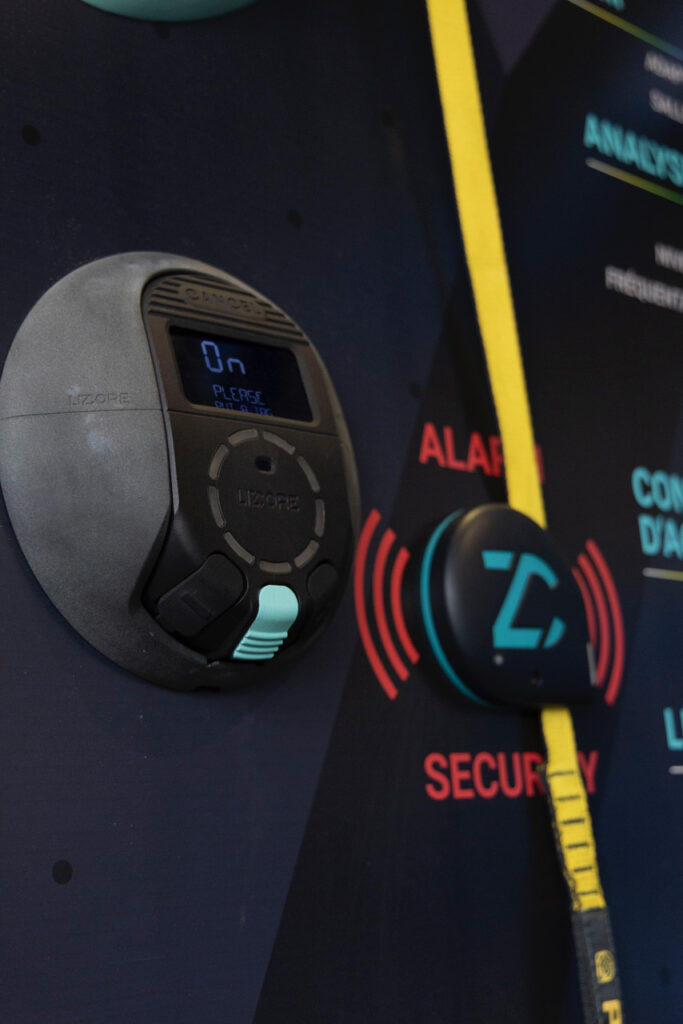
- The inLab FIB at the UPC has collaborated with Lizcore® for the development of a proof of concept based on artificial intelligence to improve safety in climbing with autobelay devices. The system allows the automatic and accurate detection of risk situations before starting a route.
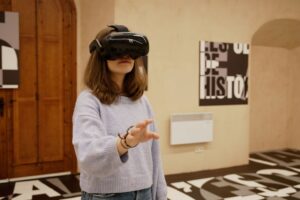
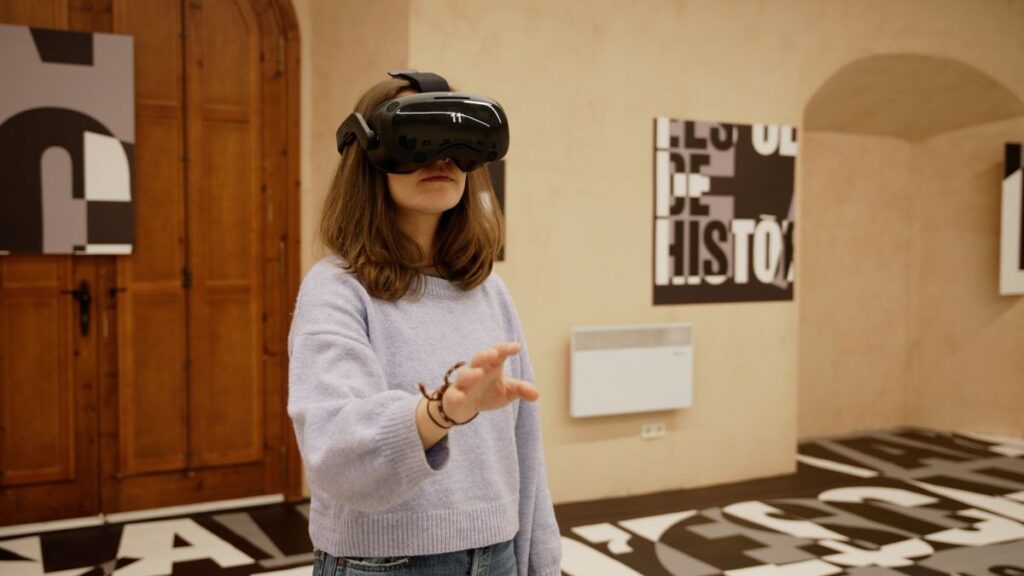
- Researchers from the Centre for Image and Multimedia Technology of the UPC (CITM) and from the DiCode research group (Digital Culture and Creative Technologies Research Group) of the Universitat Politècnica de Catalunya – BarcelonaTech (UPC) have worked on the project The Eyes of History, an initiative of the Catalan Agency for Cultural Heritage that offers an immersive view of Catalan cultural heritage. It is especially aimed at the first and second cycles of secondary education and was created to bring heritage into the classroom. Its goal is to bring the history and monuments of Catalonia closer in a vivid and innovative way, using tools such as virtual reality and new museographic narratives.
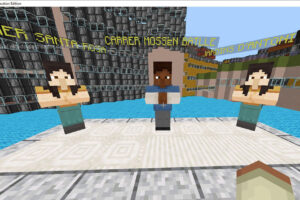
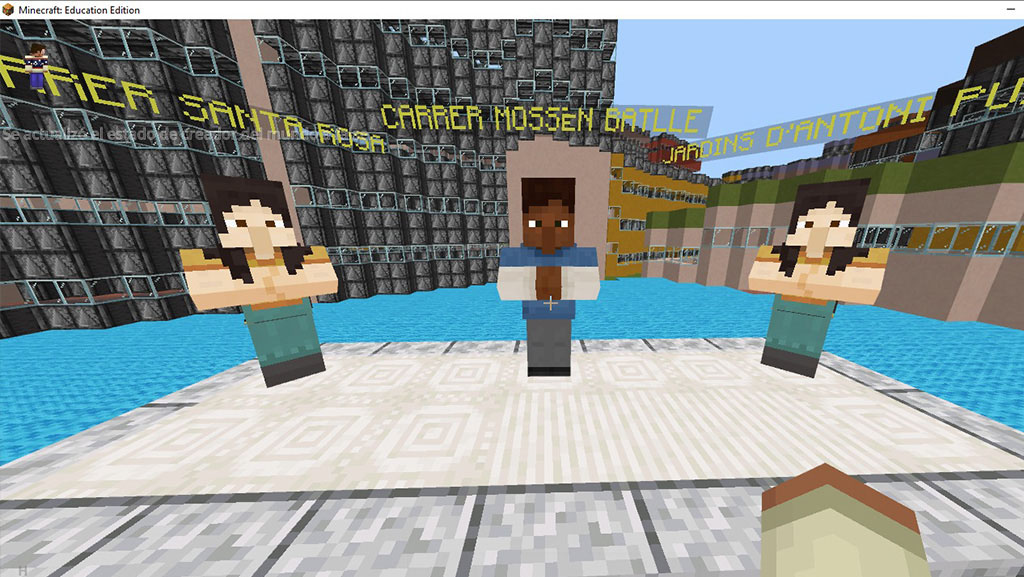
- City and Play is a social action project coordinated by researchers from the Centre for Image and Multimedia Technology (CITM) and the DiCode research group (Digital Culture and Creative Technologies Research Group) of the Universitat Politècnica de Catalunya – BarcelonaTech (UPC), the Universitat Oberta de Catalunya (UOC) and the University of Barcelona (UB), and funded by Barcelona City Council. The aim of the project is to promote civic competences and reflection on the urban environment among adolescents through the creation of an open framework that uses methodologies based on play, co-creation and storytelling.