

PROALGAE: Production of Alternative Proteins from Microalgae in a Circular Economy
November 27, 2024
HEMPANEL: A System for Producing Thermo-Acoustic Insulating Panels from Hemp Waste
December 18, 202409/12/2024
RootBot aims to develop and demonstrate an autonomous robotic electromagnetic detection system equipped with ground-penetrating radar (GPR) and advanced navigation technologies to map the root systems of fruit trees and soil moisture. This project seeks to optimize agricultural resource management, particularly water, and contribute to more sustainable farming through the use of innovative technological tools.
RootBot combines mobile robotics, autonomous navigation, ground-penetrating radar (GPR), machine learning algorithms, and pattern recognition to create a robot capable of autonomously navigating agricultural terrains. During its operation, the robot collects subsurface data to generate detailed maps of crop root systems and soil moisture distribution. The system is designed as a precision agriculture tool, providing concrete data on the extent and volume of roots and their position relative to moist areas in the soil. The results can be visualized as a multi-layer map of roots and soil moisture, offering farmers an efficient decision-making tool.
The development of RootBot includes laboratory tests to assess the accuracy of the technologies, calibrate neural network parameters to autonomously interpret GPR data, and adapt them to specific crop scenarios. It also involves field trials under real conditions at the Agròpolis facilities of the Universitat Politècnica de Catalunya - BarcelonaTech (UPC). The ability to provide accurate and daily updated information will enable significantly more precise decision-making on crop management and irrigation, resulting in substantial resource savings. Being autonomous, the system can operate while users focus on other tasks, thus increasing productivity. This autonomous robotic system will:
- Optimize irrigation: Soil moisture maps will reduce water consumption, improving the efficiency of water and economic resource use.
- Enhance sustainability: The technology enables more precise crop management, reducing dependence on invasive methods and minimizing environmental impact.
- Boost agricultural digitization: The project promotes the adoption of advanced technologies, increasing the sector's competitiveness and attracting young talent.
RootBot has the potential to transform the agricultural sector by promoting sustainable practices, improving resource efficiency, and laying the foundation for adopting advanced technologies in agricultural management. This initiative positions precision agriculture as a key tool to address the challenges of climate change and resource scarcity.
The project is led by the Center for Industrial Equipment Design - Dynamics of Machines (CDEI DM) and the Geophysics and Earthquake Engineering (GiES) group at the UPC, in collaboration with Verdcamp Fruits, Catalan Water Partnership (CWP), FEMAC, ADV Ecològica de Ponent, the INNOVI Cluster, and Ametller Origen. These partners ensure technology transfer to the agricultural sector and help maximize the impact of the results.
The project has a total budget of €49,990, funded through the Rural Development Program of Catalonia 2014-2022 by the Department of Agriculture, Livestock, Fisheries and Food (Generalitat de Catalunya), and will be developed over 22 months (February 2024–June 2026).

Action under the PAC 2023-2027 Strategic Plan co-funded by:

You want to know more?
Related Projects
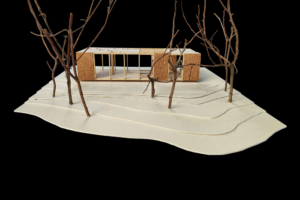
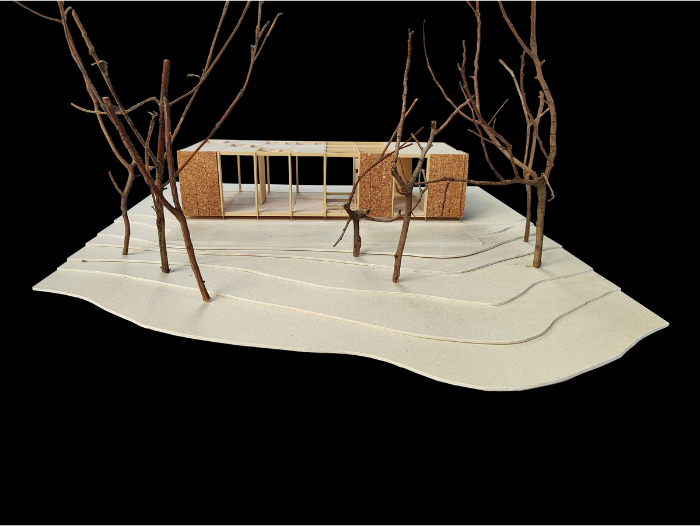
- The Casa Bosc project explores a lightweight, modular and prefabricated timber construction system designed to reduce the environmental impact of housing while making it easier to build and adapt to different contexts. The project has been developed by researchers from the Architectural Rehabilitation and Restoration Research Group (REARQ) at the Universitat Politècnica de Catalunya - BarcelonaTech (UPC) and the company ÀGORA.
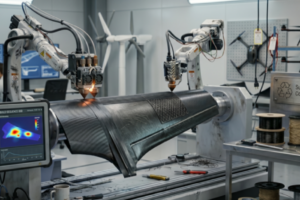
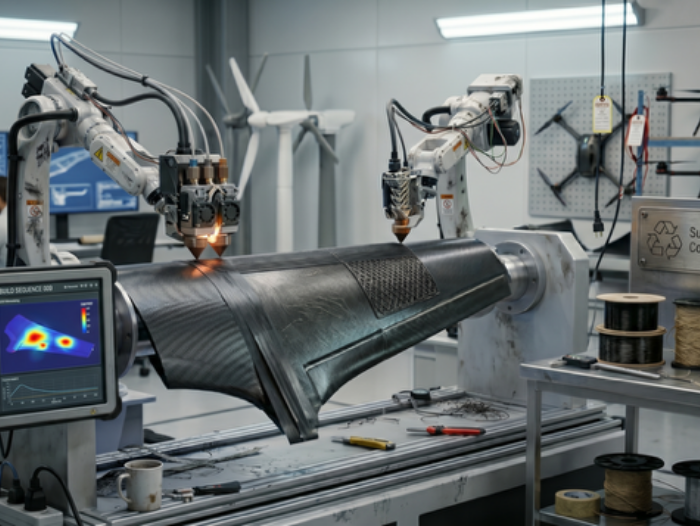
- The Control, Data and Artificial Intelligence (CoDAlab) research group at the Universitat Politècnica de Catalunya - BarcelonaTech (UPC) is taking part in the ATHENS project, which is developing recyclable thermoplastic composite materials with advanced real-time monitoring systems to improve the manufacture, safety and service life of lightweight structures.
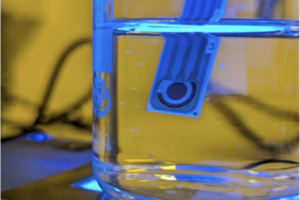
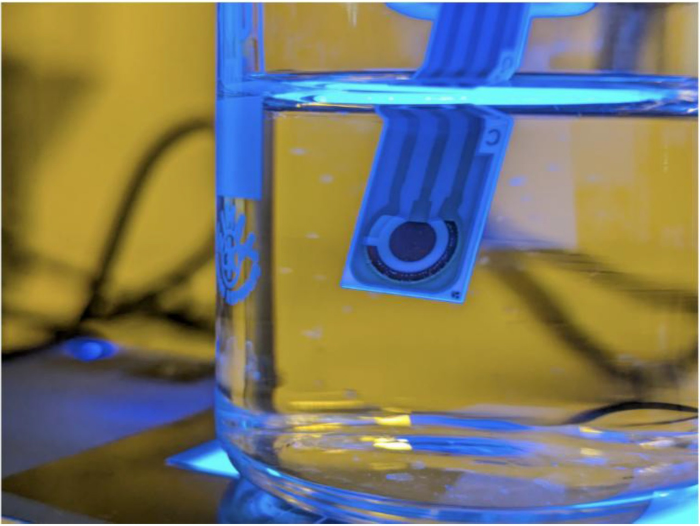
- The MICROTECH LAB - Microtechnology for the Industry research subgroup, part of the Centre for Advanced Technologies in Mechanics (CATMech) at the Universitat Politècnica de Catalunya - BarcelonaTech (UPC), is leading the technical development of a minimally invasive platform to monitor biomarkers and physiological indicators related to stress and emotional wellbeing.
- A research team from the Universitat Politècnica de Catalunya - BarcelonaTech (UPC) has participated in the M3LEC project, coordinated by the Centro de Astrobiología (CAB), a joint centre of the Spanish National Research Council (CSIC) and the Instituto Nacional de Técnica Aeroespacial (INTA), with the Universidad de Sevilla (US) / Instituto de Microelectrónica de Sevilla (IMSE) also participating. M3LEC aimed to contribute to the characterisation of the Martian atmosphere and meteorology, and to investigate new instrumentation for future planetary exploration missions.