

New photonics and artificial intelligence tools to diagnose ocular, cardiovascular and neurodegenerative diseases
December 15, 2023
N2B2: A system to optimise heating and cooling with predictive control
January 22, 202416/01/2024
Researchers at the Universitat Politècnica de Catalunya - BarcelonaTech (UPC), in collaboration with the MINOS group of the URV, are participating in a project on the reliable, high-performance and low-cost production of ammonia sensors for livestock farming.
The aim of the project is to produce reliable, durable, low-cost sensors that are easy to use in agricultural environments and operate them with non-linear controls that optimise their dynamic features. The controls will be developed by researchers from the Micro and Nano Technologies for Solar Energy (MNT-Solar) group at the UPC. The sensors are based on a technology of nanostructured layers of metallic oxides deposited on MEMS membranes, developed by researchers in the MINOS group of the URV. In the context of the project, electronics will be designed that will generate the temperature modulations that are required for the sensors to function with a constant surface potential, and therefore have an optimised dynamic response. The model that is patented will enable an improvement in sensor response time, modulation of sensitivity, and the adaptability that is required to respond to the considerable environmental changes that may occur in agricultural areas.

Box with the electronics (right) and cavity in which the sensors lie (left). In the cavity part, the fan ensures air flow and on the other side a filter prevents the entry of unwanted particles.
This project continues and expands on a previous project in which a pilot test was carried out in a pig farm over fourteen days. The project will increase the complexity of the sensor heads and develop improved acquisition and control electronics. It also aims to undertake an experimental campaign in livestock barns, with a longer duration, to assess the reliability and performance of the technology.
Budget and funding
In addition to the MNT-Solar group at the UPC, the MINOS group at the Universitat Rovira i Virgili is working on this project, which has a budget of €49,999.5. The activity is funded through 01.02.01 Technology Transfer Operation of the Rural Development Programme of Catalonia 2014-2022 (Catalan Government). The project duration is from December 2021 to June 2024.


You want to know more?
Related Projects
- The Image and Video Processing Group (GPI), part of the IDEAI-UPC research group, and the Digital Culture and Creative Technologies Research Group (DiCode) from the Image Processing and Multimedia Technology Center (CITM) at the Universitat Politècnica de Catalunya – BarcelonaTech (UPC), have co-organised the AI and Music Festival (S+T+ARTS) together with Sónar+D and Betevé, to explore the creative use of artificial intelligence in music.
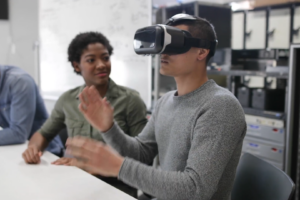
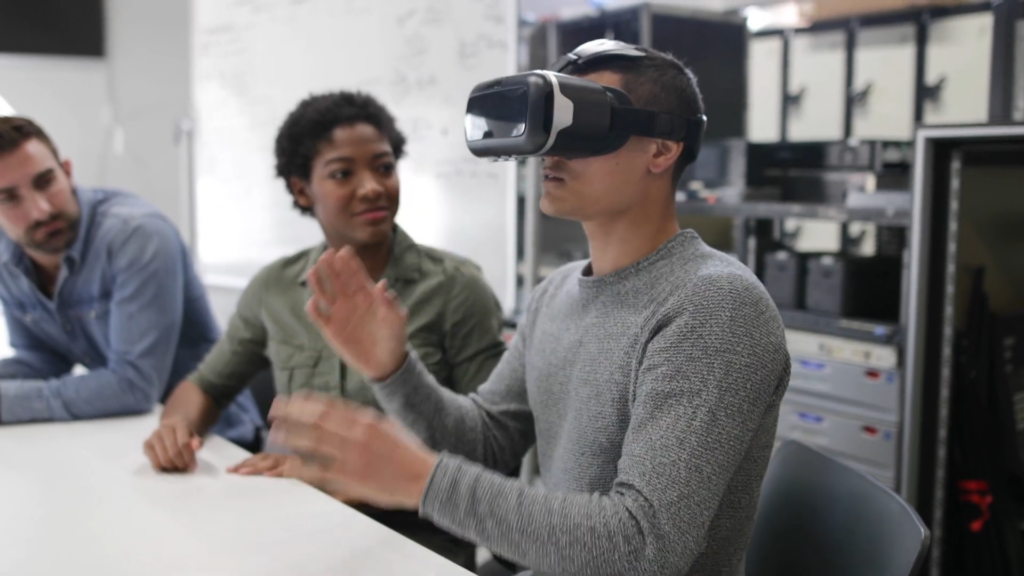
- The Visualisation, Virtual Reality and Graphic Interaction Research Group (ViRVIG) at the Universitat Politècnica de Catalunya - BarcelonaTech (UPC) has participated in the XR4ED project, an initiative that connects the educational technology (EdTech) and Extended Reality (XR) sectors, with the aim of transforming learning and training across Europe.
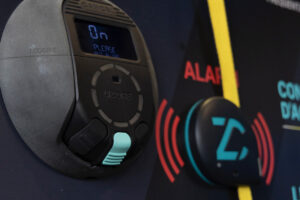
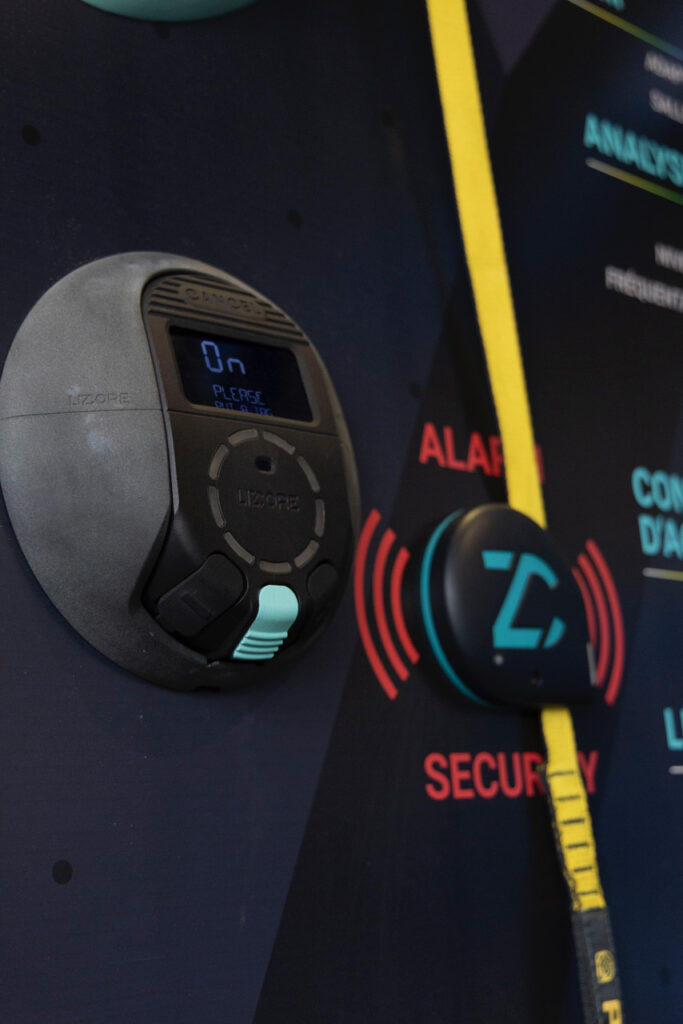
- The inLab FIB at the UPC has collaborated with Lizcore® for the development of a proof of concept based on artificial intelligence to improve safety in climbing with autobelay devices. The system allows the automatic and accurate detection of risk situations before starting a route.
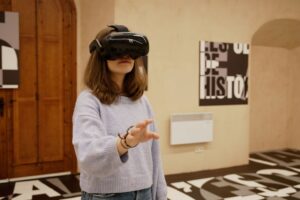
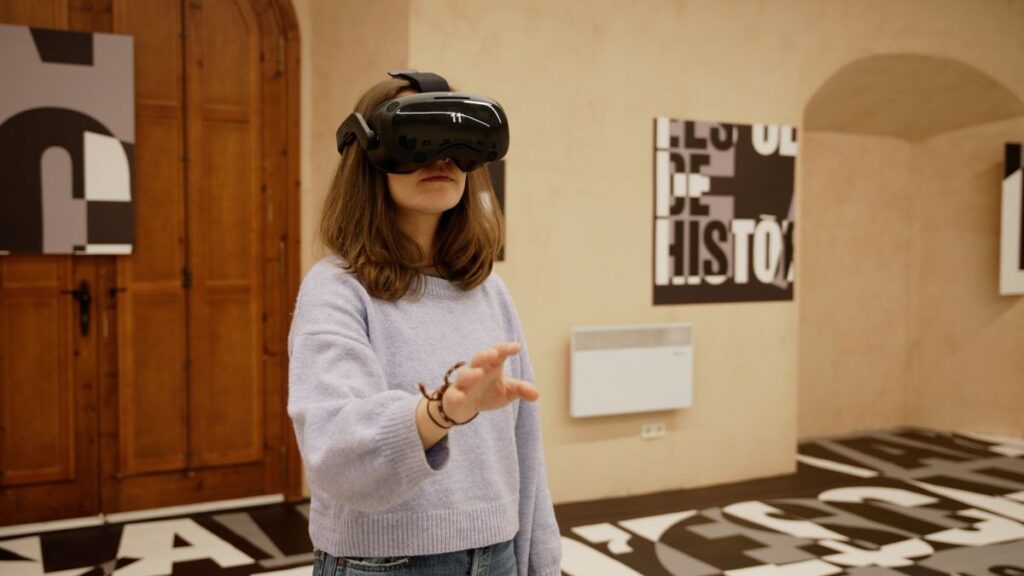
- Researchers from the Centre for Image and Multimedia Technology of the UPC (CITM) and from the DiCode research group (Digital Culture and Creative Technologies Research Group) of the Universitat Politècnica de Catalunya – BarcelonaTech (UPC) have worked on the project The Eyes of History, an initiative of the Catalan Agency for Cultural Heritage that offers an immersive view of Catalan cultural heritage. It is especially aimed at the first and second cycles of secondary education and was created to bring heritage into the classroom. Its goal is to bring the history and monuments of Catalonia closer in a vivid and innovative way, using tools such as virtual reality and new museographic narratives.