

AgroMOBY: A multipurpose, all-terrain, omnidirectional, autonomous vehicle for agricultural applications
December 22, 2022
RESIST: Improve the response to emergencies caused by climate change
January 25, 202322/12/2022
The model of the current agricultural sector and sustainability
Currently, we are experiencing a paradigm shift based on the increasing importance of aspects relating to health and diet and on the achievement of the Sustainable Development Goals (SDGs) in the social and environmental areas. It is forecast that by 2050 the human population will have increased up to over 9 billion inhabitants. This will lead to the need to produce 60% more food than that which is currently consumed. Therefore, it is imperative to adapt agricultural production to the needs of a growing global population, while respecting natural resources with criteria of sustainability. To achieve this, a complete transformation of the agri-food sector is required in the entire value chain; a shift towards what is known as the sustainable food system (SFS). The agricultural sector is one of the cornerstones.
In this context, SOPHOS emerged, a project with the participation of the research group Construction Materials and Roads (MATCAR) and the Environmental Engineering and Microbiology Group (GEMMA) of the Universitat Politècnica de Catalunya - BarcelonaTech (UPC). In the framework of SOPHOS, a low-cost technology will be developed and validated to improve the efficiency of the use of agronomic resources, in particular water and phosphorus. This will be designed according to a circular economy model, which will reduce the impact.
Phosphorus, an essential element for fertilisers
Phosphorus is an indispensable element for the formulation of fertilisers and has no natural or artificial substitute. Almost 75% of fertilisers that are administered to crops are lost due to the inefficiency of the fertilisation process, whether as a result of the type of crop, the climatology, the type of species cultivated or the type of agricultural practice. As a result of this process, it is estimated that between 60 and 80% of the pollution that reaches aquifers is due to agriculture, with the resulting loss in natural diversity. Recovering the pollutants requires a high quantity of chemical products and energy. This makes it unfeasible, due to the low financial margins that are worked with.
To counter this need, the proposal is to design and construct natural filters (artificial wetlands) that are silted up with phosphorus absorbent material that enables phosphorus to be recovered from agricultural leachates, mineralise plant waste from harvests and reuse the treated water using byproducts from the metal industry.
The technology of artificial wetlands
Artificial wetlands are formed of a pond excavated in the land, silted up with a filtering material and planted with species that enables the treatment of wastewater and the mineralisation of organic material. They require little or no energy to function, do not generate waste during treatment and are well integrated into the landscape in the rural environment. Although they have been used to decontaminate a wide range of wastewater, their application in the agricultural environment through SOPHOS is pioneering.
The wetlands need reactive materials that increase the efficiency of elimination or capture of phosphorus. As part of SOPHOS, wetlands will be silted up with steel slag from the metal industry, as this is highly porous and rich in calcium and iron, elements that have a high capacity for phosphorus absorption. In addition, these materials contain nitrogen, organic matter, iron and other metals that are micro and macronutrients necessary for plant growth.
In the same process, the wetlands will function as systems for drying and mineralisation of waste from agricultural harvests, which is rich in nutrients, and could replace at least partially the need for external fertilisers, and thus reduce the needs for phosphorus.
Wetlands will also eliminate organic matter and other contaminants and produce regenerated water to be used for irrigation.
Expected impact
Change the linear agricultural model for a circular one in which:
- Phosphorus is recovered (an element that is rare and vital in the production of fertilisers) from leachates, to revert the contamination produced by its loss due to inefficiencies in the fertilisation processes.
- The plant remains of the harvest are mineralised to reduce the fertilisation needs.
- The treated water is reused.
- Industrial byproducts are reused (steel slag from the metal industry).
Duration, budget and funding
The project lasts two years (2021-2023) and has a budget of 50,000 euros. It is co-funded by the European Regional Development Fund (ERDF) and the Government of Catalonia.



Activity financed through Operation 01.02.01 for Technology Transfer of the Rural Development Programme of Catalonia 2014-2022.
Technology
Topic
You want to know more?
Related Projects
- The Visualisation, Virtual Reality and Graphic Interaction Research Group (ViRVIG) at the Universitat Politècnica de Catalunya - BarcelonaTech (UPC) has participated in the XR4ED project, an initiative that connects the educational technology (EdTech) and Extended Reality (XR) sectors, with the aim of transforming learning and training across Europe.
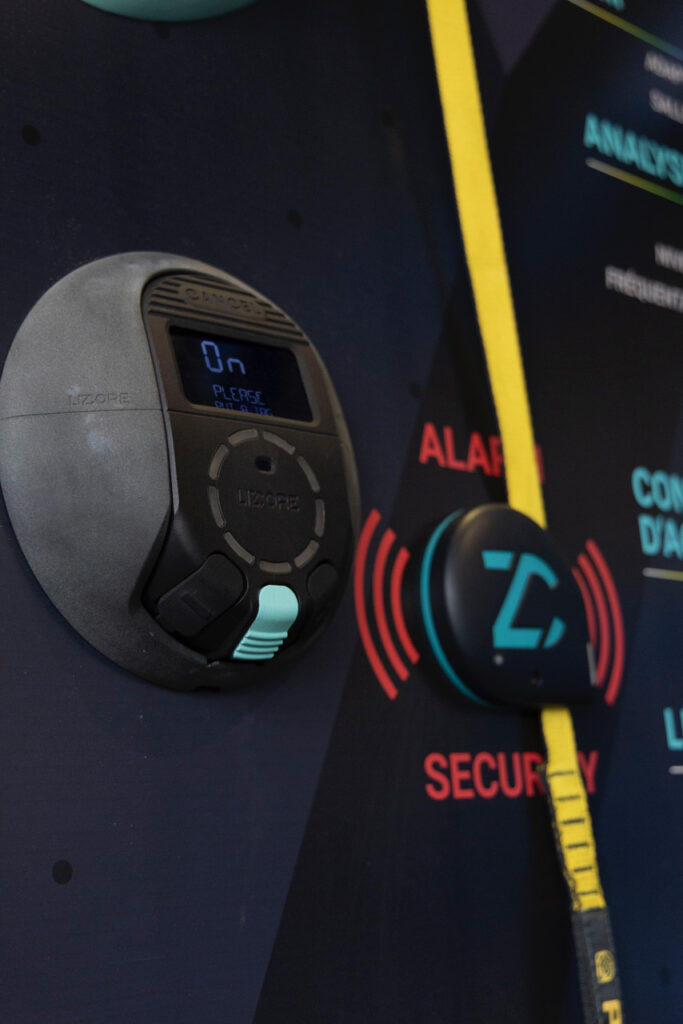
- The inLab FIB at the UPC has collaborated with Lizcore® for the development of a proof of concept based on artificial intelligence to improve safety in climbing with autobelay devices. The system allows the automatic and accurate detection of risk situations before starting a route.
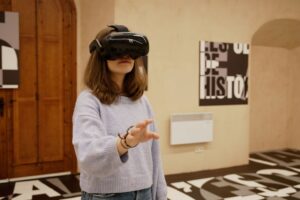
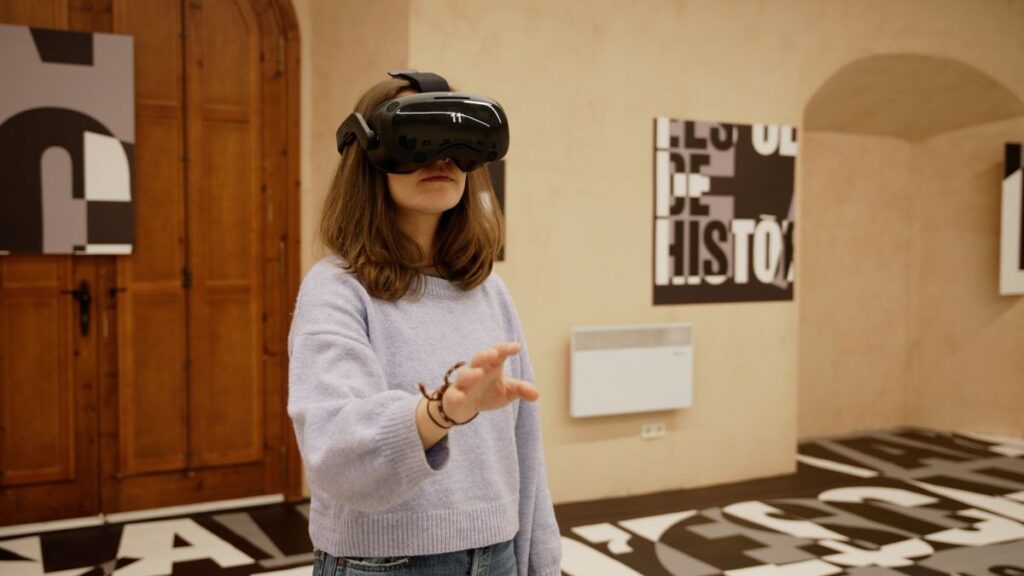
- Researchers from the Centre for Image and Multimedia Technology of the UPC (CITM) and from the DiCode research group (Digital Culture and Creative Technologies Research Group) of the Universitat Politècnica de Catalunya – BarcelonaTech (UPC) have worked on the project The Eyes of History, an initiative of the Catalan Agency for Cultural Heritage that offers an immersive view of Catalan cultural heritage. It is especially aimed at the first and second cycles of secondary education and was created to bring heritage into the classroom. Its goal is to bring the history and monuments of Catalonia closer in a vivid and innovative way, using tools such as virtual reality and new museographic narratives.
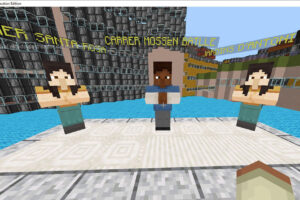
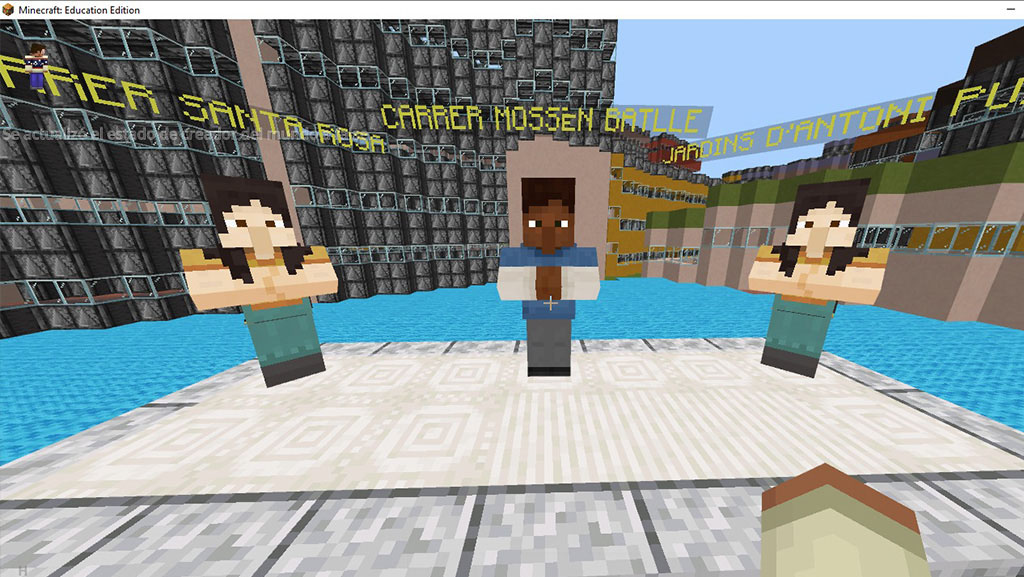
- City and Play is a social action project coordinated by researchers from the Centre for Image and Multimedia Technology (CITM) and the DiCode research group (Digital Culture and Creative Technologies Research Group) of the Universitat Politècnica de Catalunya – BarcelonaTech (UPC), the Universitat Oberta de Catalunya (UOC) and the University of Barcelona (UB), and funded by Barcelona City Council. The aim of the project is to promote civic competences and reflection on the urban environment among adolescents through the creation of an open framework that uses methodologies based on play, co-creation and storytelling.